

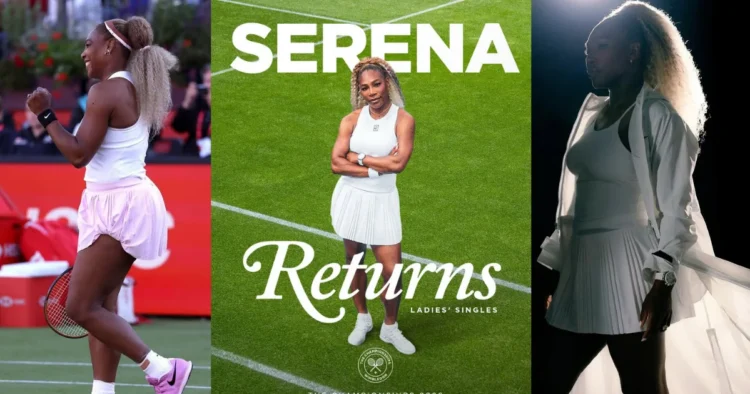
The grass is trimmed, the whites are pressed, and every June, Wimbledon makes sports feel like cultural punctuation. Serena William’s return to the Championships, as a wild card, is an announcement that rearranges how the tennis world talks about time, legacy, and belonging.
At 44, Serena Williams is the competitive landscape of the sport. Her presence shaped women’s tennis across two decades, redefining power, athleticism, and expectation itself.
Wild cards are typically reserved for rising prospects, returning players rebuilding rank, or local talents given stage they have not yet earned through the tour system. Serena Williams does not fit any of these categories, rather the decision to grant her a wild card exists in the space between tradition and disruption. This complexity is exactly why her return has landed with such force.

The Shock of Return
Tennis is a sport obsessed with closure. Players retire, farewells are staged, tribute videos played, and the tour moves on. Even the greatest are folded into memory relatively quickly, replaced by the relentless rhythm of the calendar.
Serena Williams has already played multiple final acts in the public imagination, most notably, her 2022 farewell at the US open. That match was treaded as an ending, complete with emotion, ceremony, and a sense of finality that the sport rarely grants its own icons. And yet, the seven-time ladies singles’ champion is stepping back into the draw. The effect is de-stabilising in the best possible way. It interrupts tennis’ usual timeline.
Williams is arguably the greatest women’s tennis player of the era, with 37 Grand Slam titles and 96 WTA titles. She stepped away from tennis after the US Open in 2022, but in June 2025, announced her comeback through several social media posts: “good news travels fast,” and “I changed my mind.”
Why Wimbledon?
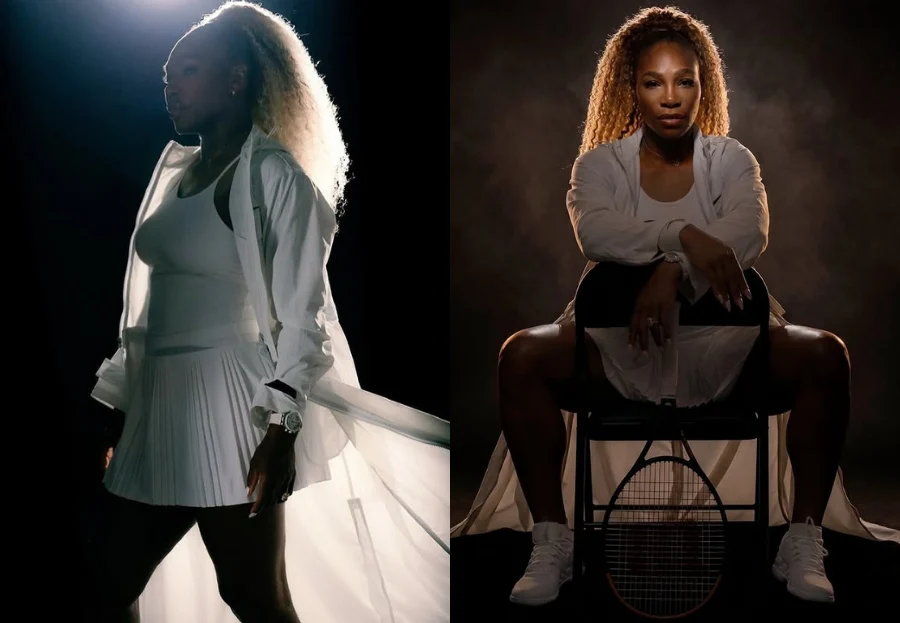
Part of the intrigue lies in the stage itself. Wimbledon is tennis’ most symbolic arena. Its grass courts carry the most archival weight, a sense that every generation is measured against the one before it. It is central to the mythology of Serena Williams: it is where she has won, dominated, returned after setbacks, and defined eras. Even when not competing the tournament carries her legacy.
Wild Card
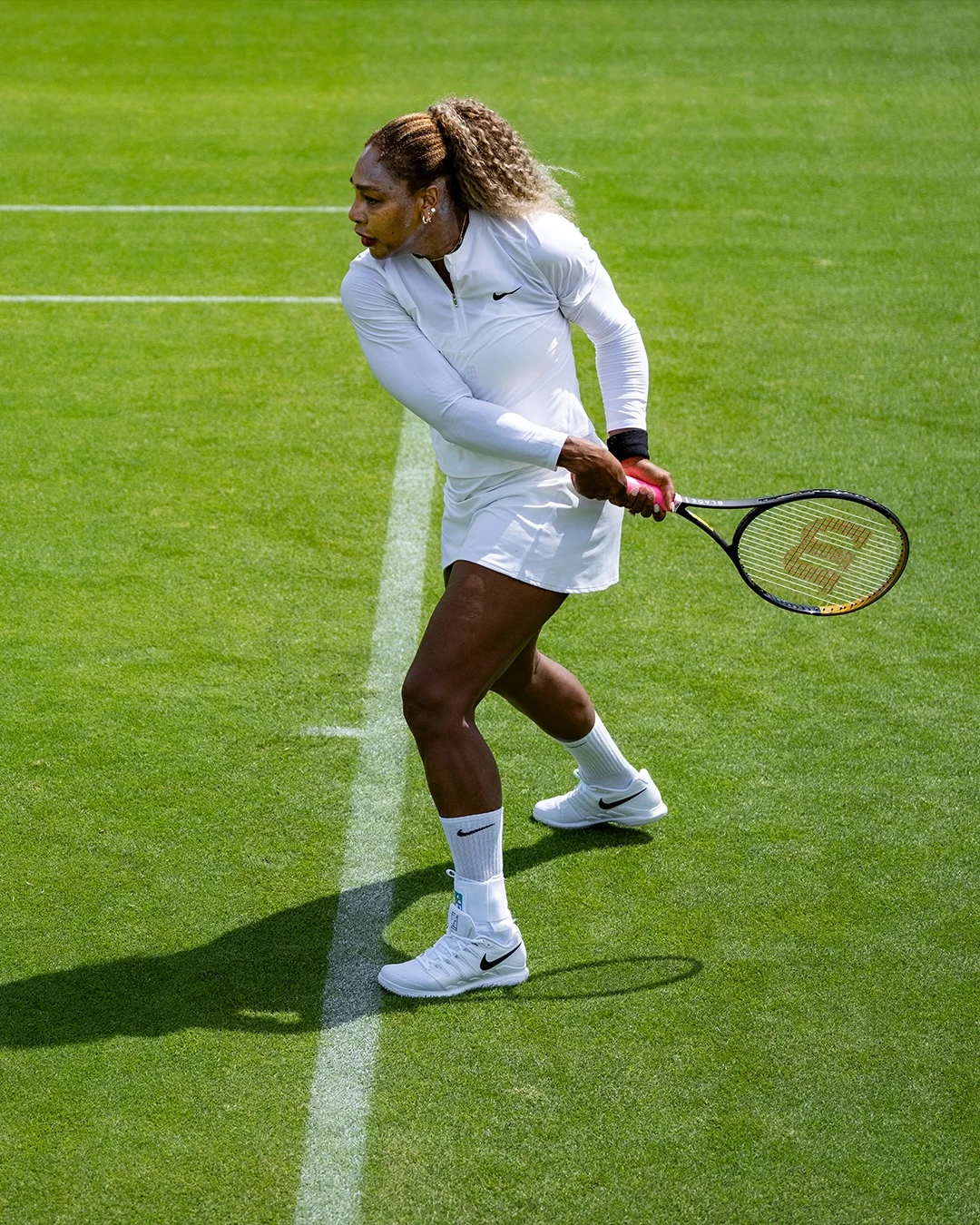
In principle, wild cards exist to widen opportunity. They are meant to offer access to players who would not otherwise qualify through ranking points. They can correct for injury absences, accelerate promising careers, or ensure local representation.
Critics of the decision argue that wild cards should serve the future of the game rather than its past. Awarding a multi-Grand Slam Champion risks displacing younger players who are actively building their rank on tour.
Others argue that Williams is not a “past figure”. She is a draw in herself; a player whose presence transforms the scale of attention around an event. In that sense, the wild card is not a gift; it is recognition of impact.
These arguments reveal something uncomfortable and fascinating about modern sport: merit is as cultural as it is mathematical.
The Weight of Legacy
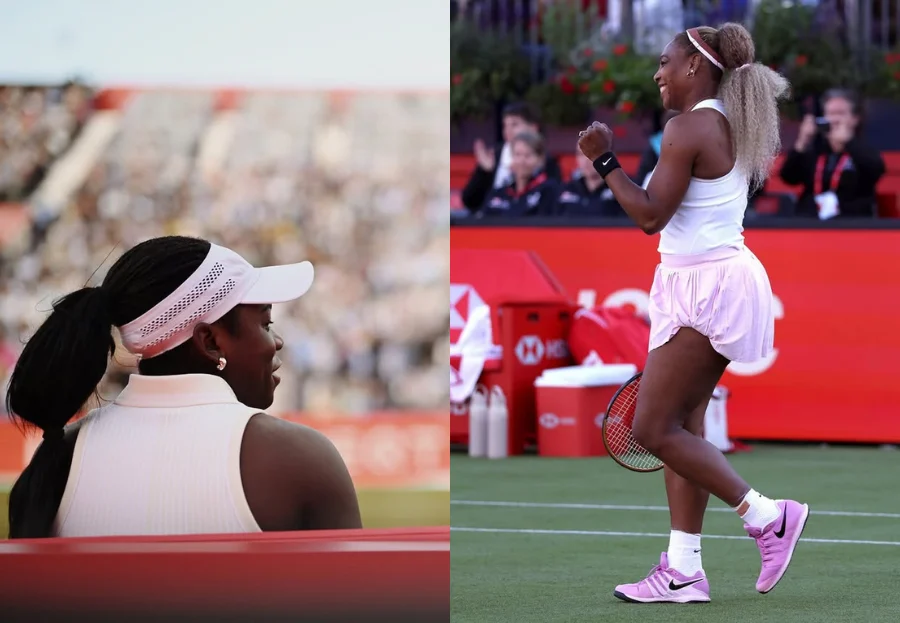
Serena Williams, even in semi retirement, has never left the tennis landscape. Even in her absence, she remains a reference point for every new power baseline, every emerging star, every discussion about longevity in women’s sport.
Her career changed the physical expectation of tennis. She brought a level of strength and intensity that redefined what unapologetic dominance looked like across generations.
Now, stepping back into competition, she occupies a rare position: not a returning player, trying to claim a place, but a figure whose place was never really replaced. Every match she plays is simultaneously contemporary and historical. Opponents are playing against both her game and her legacy.
Centre Court
Wimbledon understands this dynamic better than most sporting institutions. Centre Court is both a stage as it is a venue. It amplifies silences, magnifies pressure, and turns individual matches into global events.
Serena Williams’ appearances there do not need promotion in the traditional sense. It generates its own atmosphere. The crowd arrives with memory already in place: past finals, championship points, comebacks, dominance.
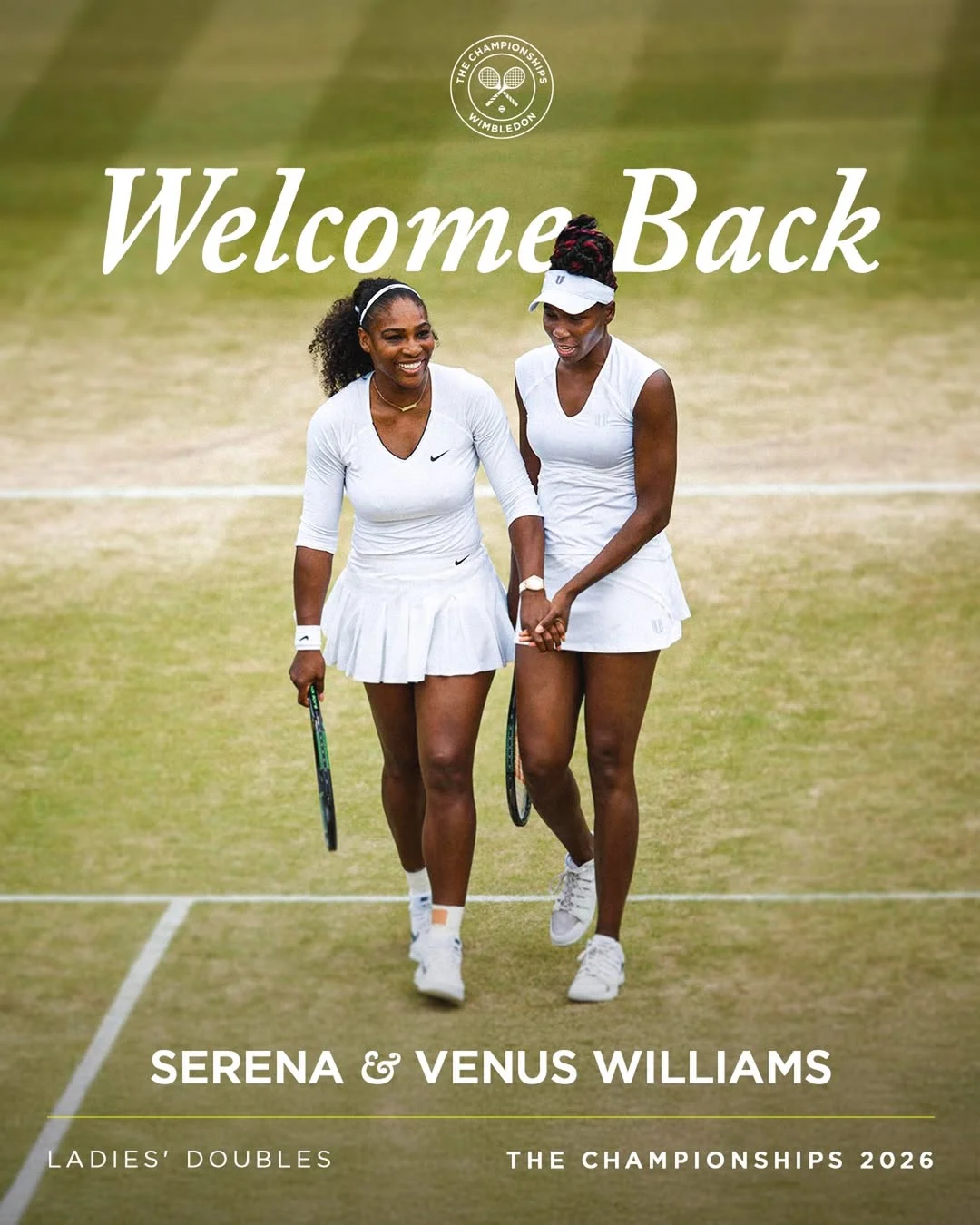
While Williams’ is ranked No. 593 in doubles, with her sister Venus Williams, she does not have a singles ranking; meaning she might be drawn up against Iga Swiatek, the defending Wimbledon champion, or Aryna Sabalenka who is ranked No 1. First-round opponent draws happen Friday, 29th June 2026.
For younger players, that context can be both opportunity and burden. To face Serena at Wimbledon is to be inserted into a storyline that began long before they arrived on tour.
Beyond Tennis
The significance of Serena’s wildcard lies in how it reflects the broader shifts in elite sports. Athletic careers are no longer linear. Retirements are fluid. Training methods, recovery science, and evolving tour structures have extended what “peak age” can look like. Across sports, we are seeing athletes return and reframe their own exits.
William’s case is distinct because of scale. Few athletes carry her level of cultural weight. Fewer still return to the most prestigious stage in their sport with that weight intact. Her comeback forces a question that sport rarely has to answer directly: when does a legacy stop being part of competition and become part of history? Serena Williams’ return to Wimbledon does not guarantee triumph, nor does it require it. Its significance exists in the act of return itself.
She arrives not to resolve her career, but to extend its ambiguity.