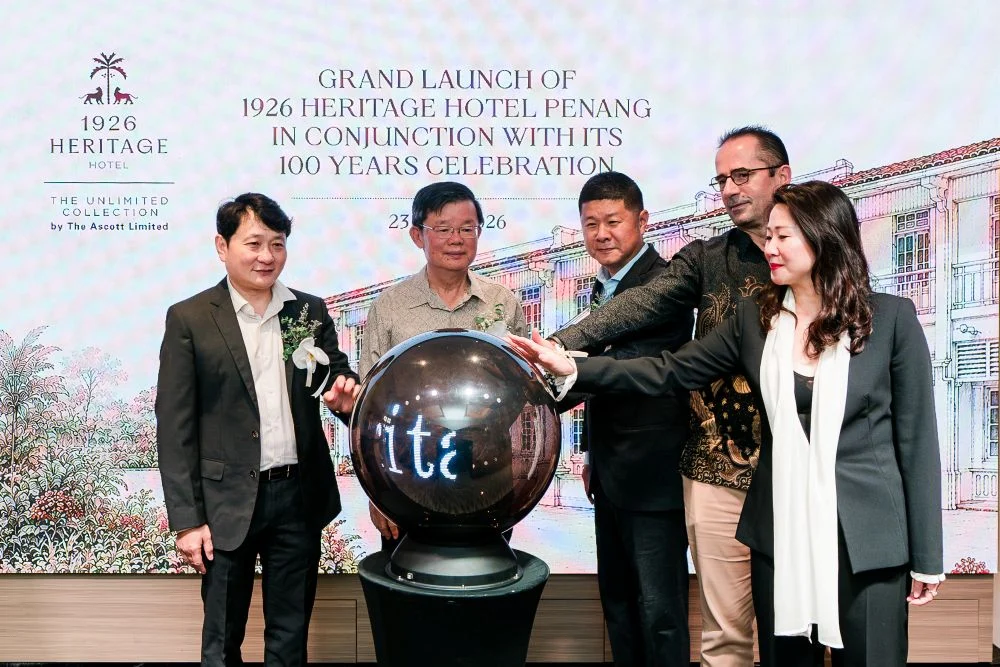

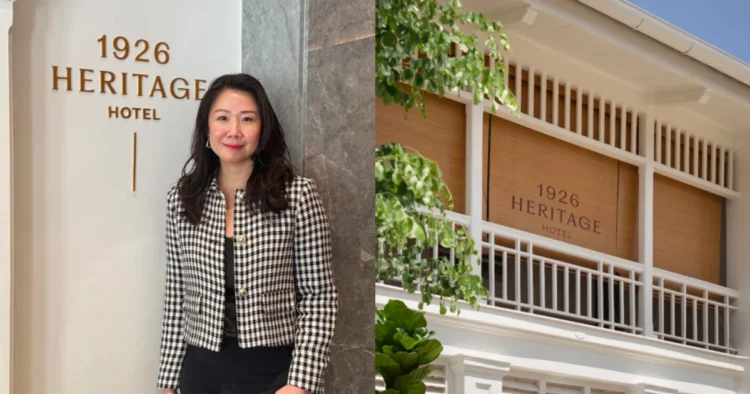
“It is touching to hear guests say, ‘My grandparents had many fond memories here.’ It is almost like receiving a love letter.” Angelina Lazuardi is referring to 1926 Heritage Hotel Penang. Originally from Indonesia, Angelina was recently appointed General Manager of the newly-opened century-old property along Jalan Burma, in George Town. “When someone returns to a place where they once worked, stayed or spent time with their family, and now sees it being given a new life, there is something very meaningful about that.”
1926 Heritage Hotel Penang is The Ascott Limited’s first Unlimited Collection property in Malaysia (and 12th around the world). There are specific criteria to qualify as a “collection”, and not every country has a collection. “When you are looking for a heritage building with its own character, it is not something you can simply find everywhere. The fact that this building happens to be nearly 100 years old is not the only qualification. It is about the heritage, the character, the arts and the culture embedded in the property,” Angelina explains.
In this interview, the new GM opens up about balancing the character of a heritage building with the expectations of the modern traveller, offers tips on some new attractions in town, and how 1926 will leave guests with a stronger connection to Penang.
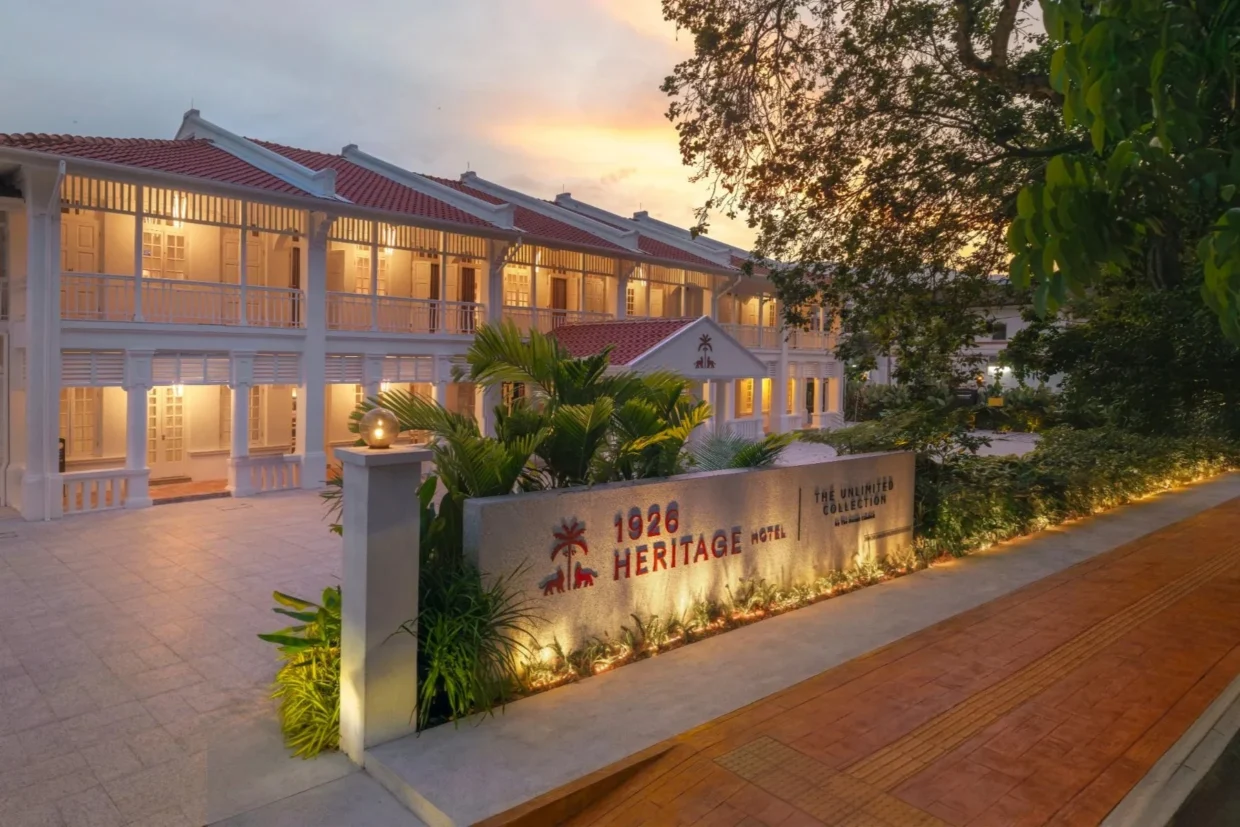
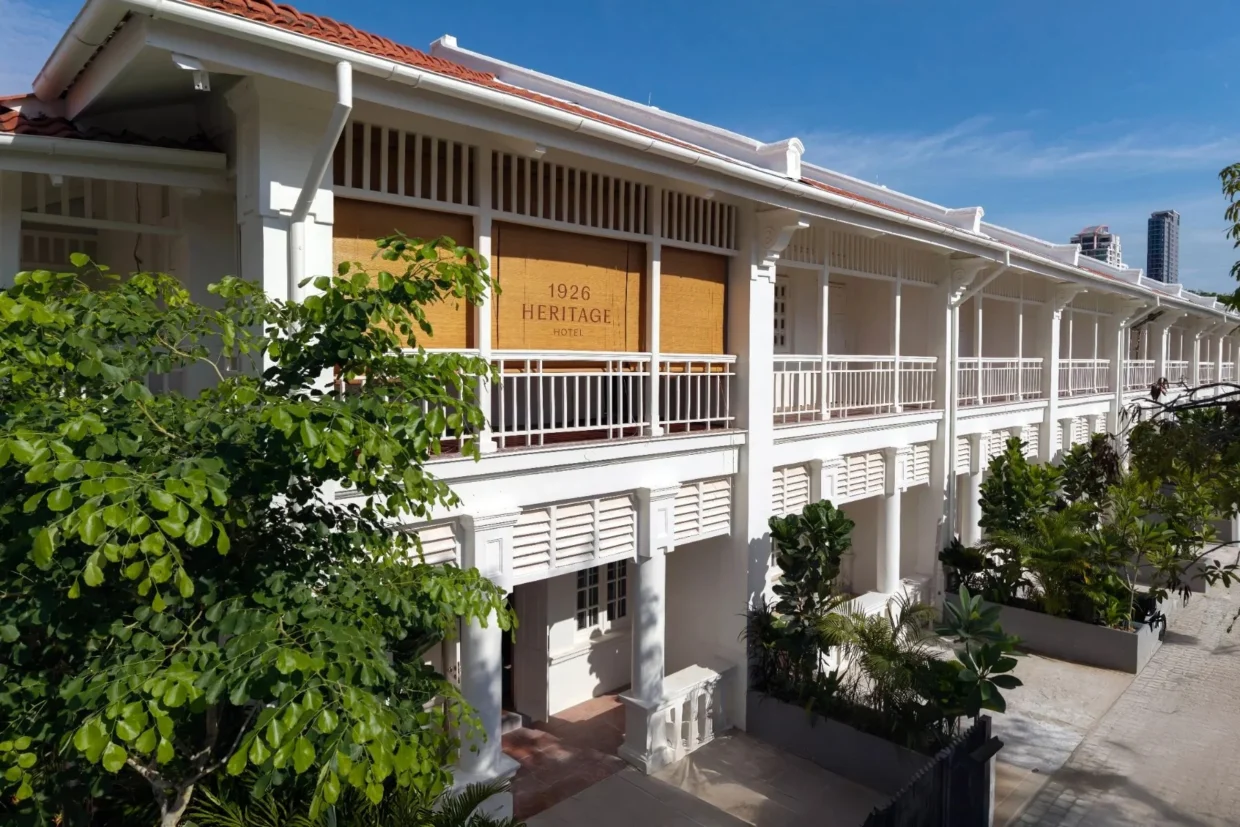
1. How did you ensure that the restoration reflects George Town’s evolving story while introducing it to a new generation of travellers?
Angelina: 1926 was not simply a restoration project; it was an exercise in stewardship. It reflects a shared vision between the owner, Dato’ Frank Koay, and The Ascott Limited to respect the property’s history while ensuring it remains relevant for today’s travellers.
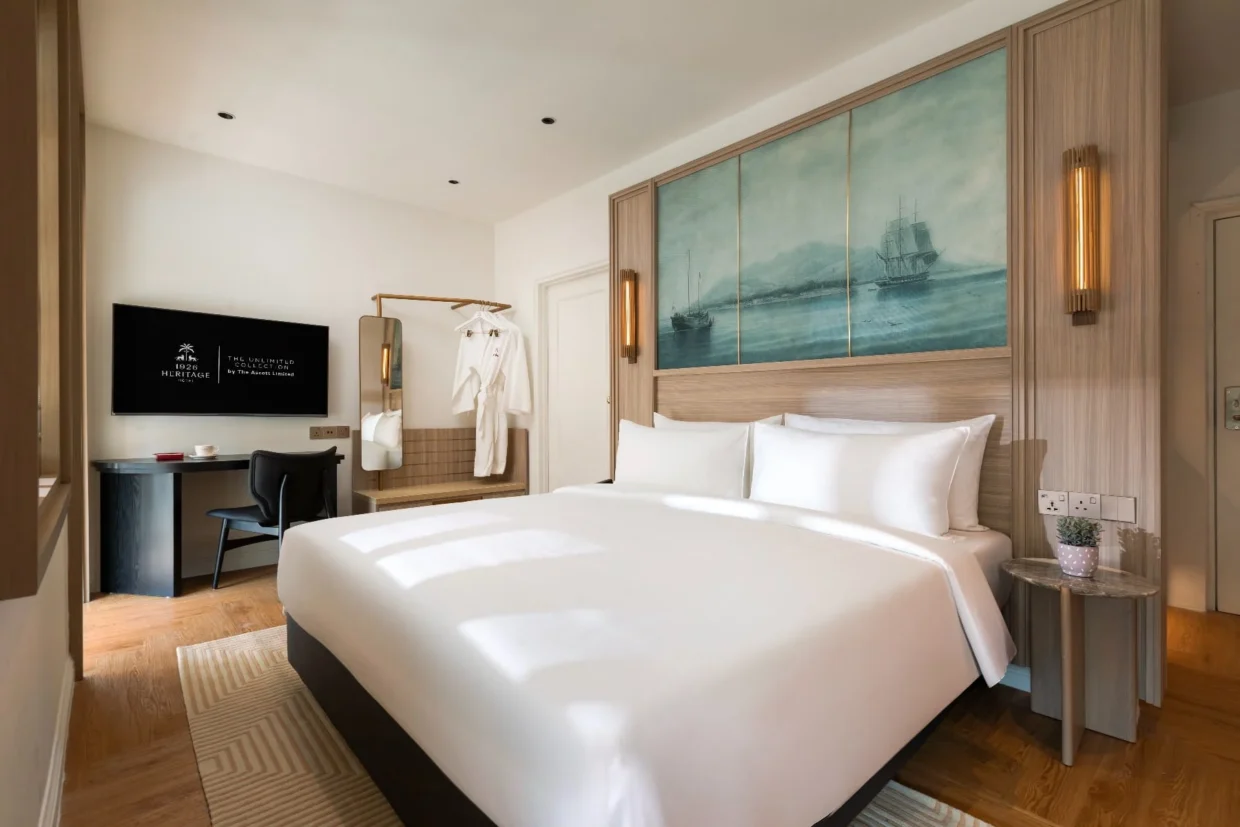
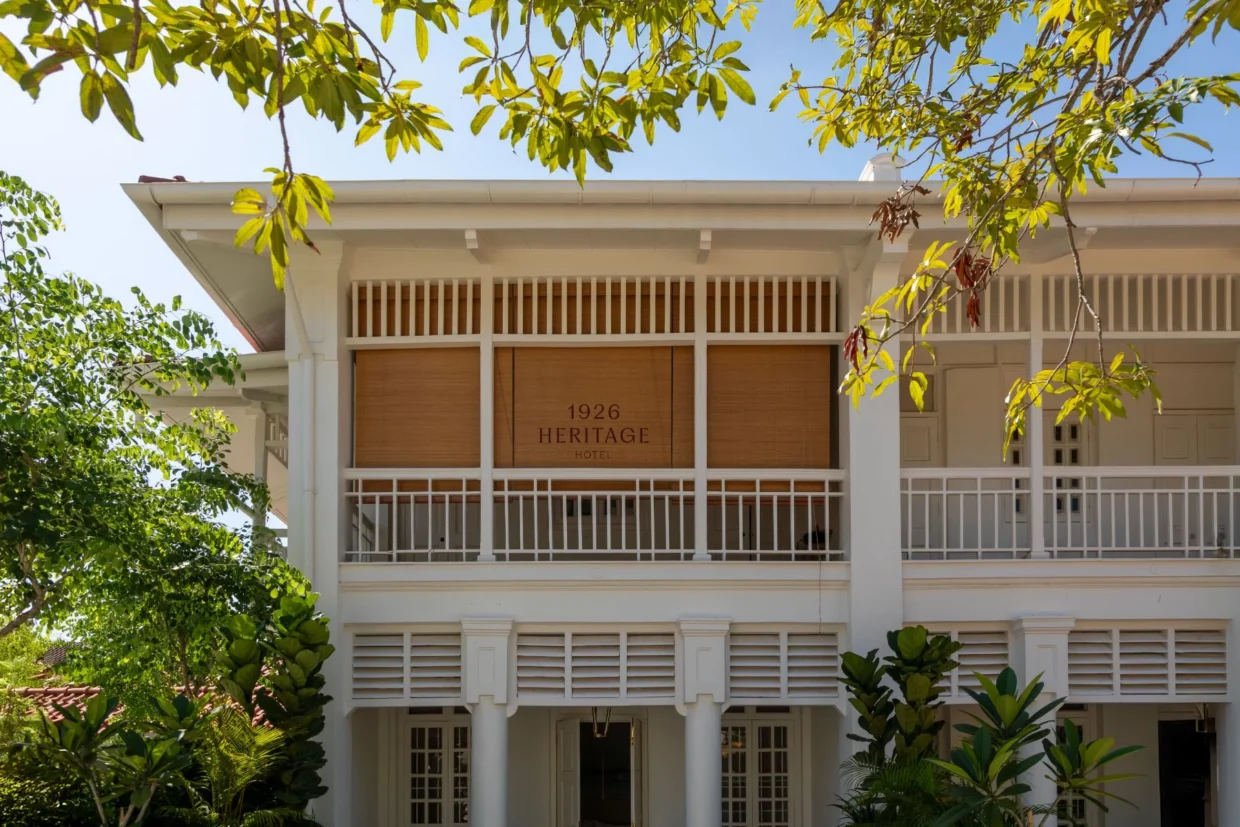
The approach was to preserve its distinctive Anglo-Malay architectural character and build a contemporary hospitality experience around it. We introduced modern comfort, dining, wellness, art and attentive service in a way that complements the property’s existing identity.
We hope both younger and first-time visitors will connect naturally with its history while experiencing a hotel that feels welcoming, contemporary and distinctly Penang.
2. What aspects of modern Penang do you believe remain underappreciated internationally?
Angelina: Penang is internationally recognised for its heritage and food, but its contemporary creative energy deserves greater attention. There is a growing community of designers, artists, chefs, entrepreneurs and independent businesses introducing new ways to experience the destination. Penang’s strength today lies in how its traditions continue to inspire contemporary dining, art, design, wellness and tourism experiences. It is a destination that respects its identity while continuing to evolve.
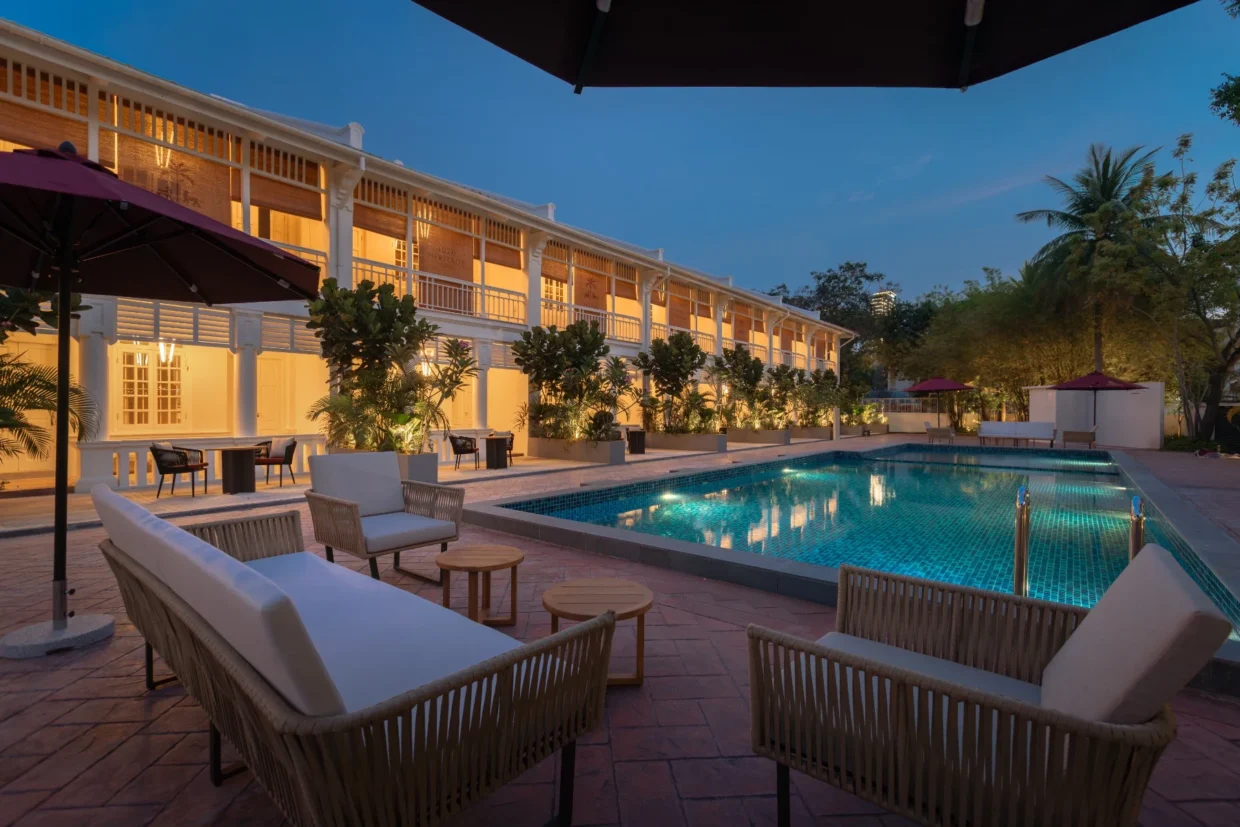
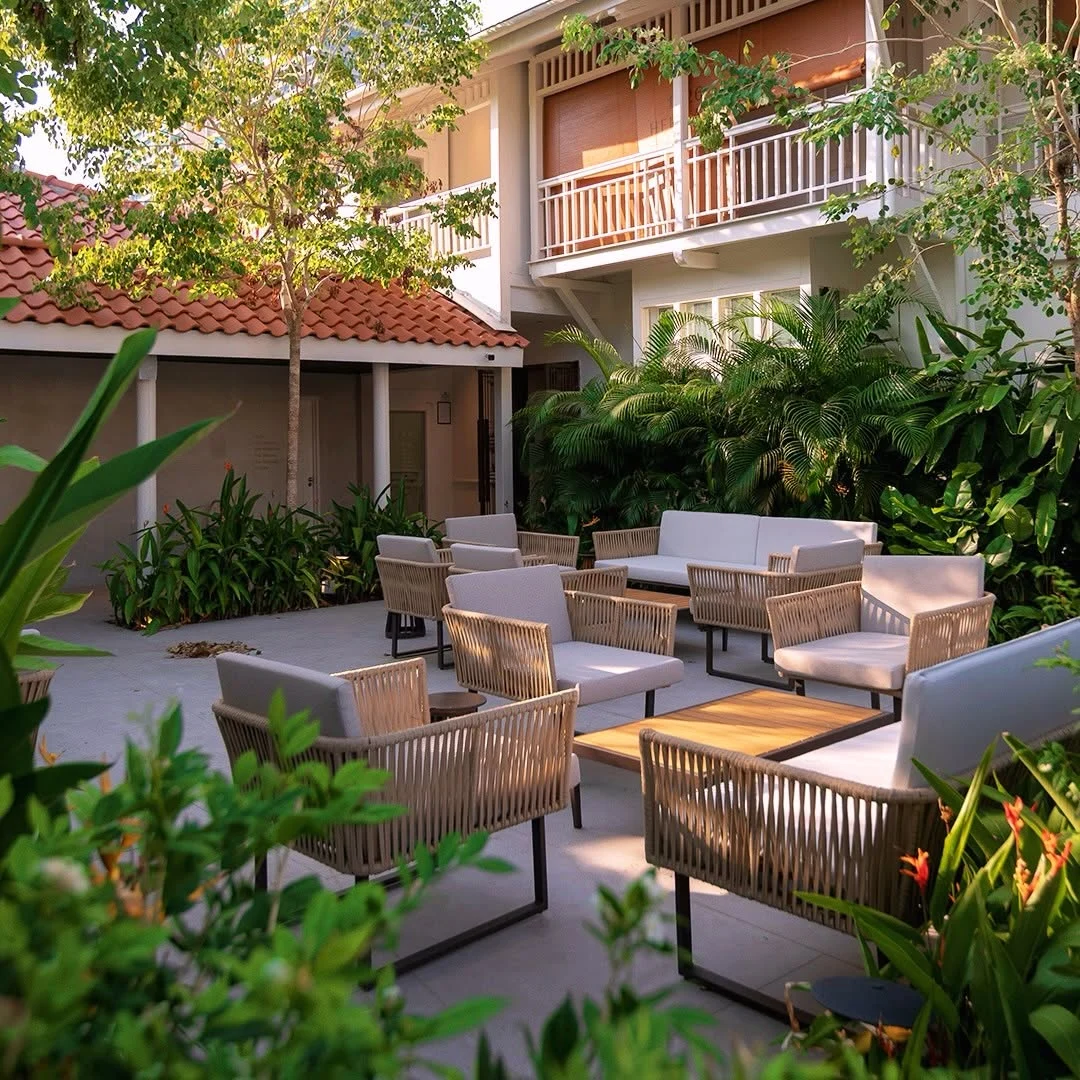
3. From a guest-experience perspective, how does the hotel balance its heritage character with the comfort and service expected by today’s travellers?
Angelina: The key is achieving the right balance. We want guests to appreciate the character and history that make the property distinctive, while enjoying the comfort, functionality and attentive service expected from a contemporary hotel. The aim is not to recreate the past, but to make the property’s heritage feel visible, relevant and naturally integrated into the overall stay experience.
4. Which architectural detail or restored feature best represents the spirit of the property, and why?
Angelina: For me, it is the way the interconnected residences and courtyards come together as one hotel. They retain the intimacy and rhythm of the original property while allowing guests to move naturally between rooms, landscaped spaces, dining and wellness experiences. This combination of history, calm and discovery represents the spirit of 1926 Heritage Hotel Penang—a property with a strong past that has been thoughtfully adapted for a new hospitality chapter.
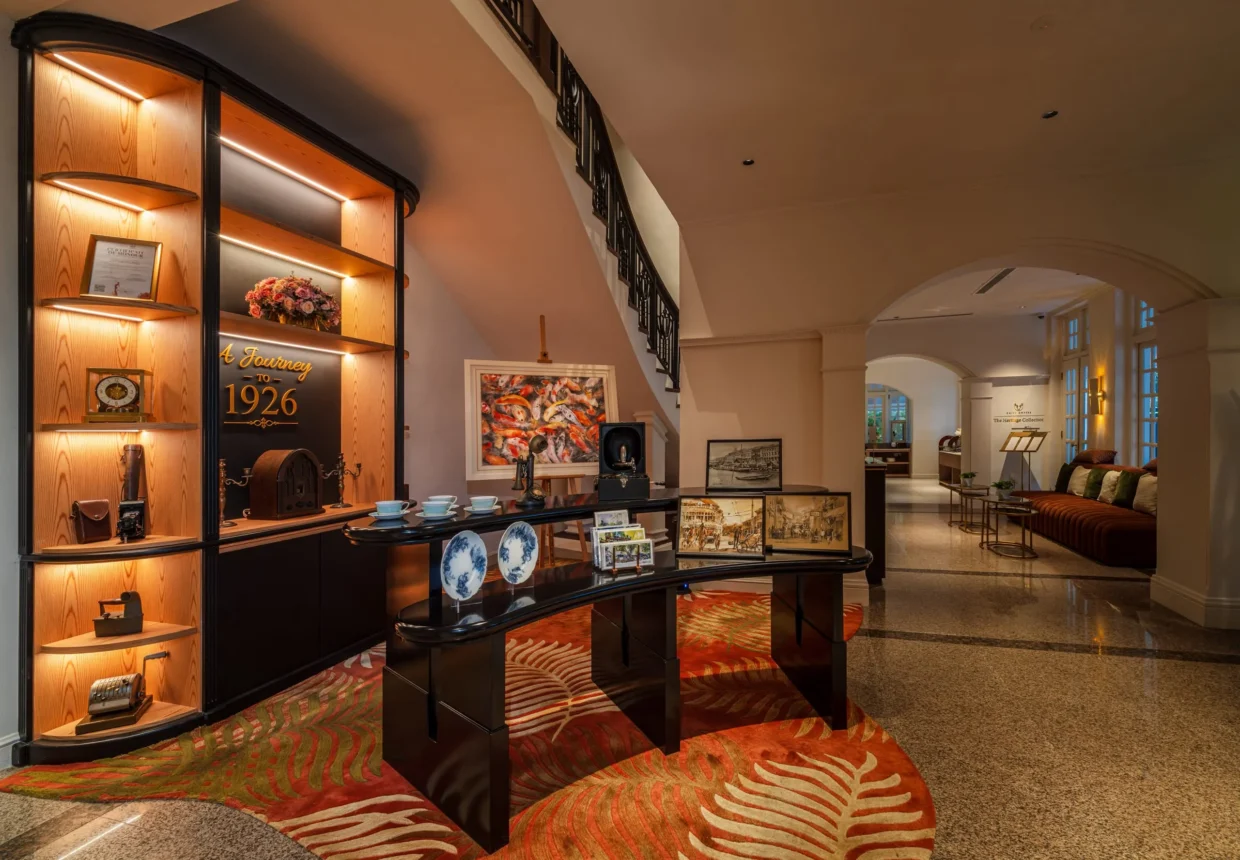
5. Beyond design and décor, how does the hotel tell the story of Penang? What makes it unmistakably Penang
Angelina: The story is expressed through the entire stay, not only through the architecture. It comes through the artworks by Penang-born artist Koay Shao Peng, our dining and wellness experiences, the character of Jalan Burma and the neighbourhood discoveries we encourage guests to make.
Penang’s identity has been shaped by many influences – Malay, Chinese, Indian and Peranakan communities, as well as its maritime and colonial past. At Root House by Gēn, one part of this story is explored through the evolution of Chinese recipes after migrant communities settled in Malaysia. The menu reflects how Hokkien, Cantonese, Teochew, Hakka and Hainanese traditions adapted over generations to local ingredients, spices and cultural influences.
Together, these elements create a stay that feels personal, culturally rich and unmistakably connected to Penang.
6. If 1926 Heritage Hotel were a person, how would you describe its character?
Angelina: It would be warm, quietly confident and naturally curious. It would respect history without being overly formal, appreciate good food and art, and always have an interesting local story to share. Most importantly, it would make people feel comfortable and welcome. That is the personality we want the hotel to have—refined but relaxed, full of character and always encouraging guests to discover Penang at their own pace.
7. How does your international background influence the guest experience you want to create here?
Angelina: My experience in luxury and international hospitality has taught me the importance of consistency, attention to detail and anticipating what guests may need. At the same time, a hotel should never feel generic. At 1926, we want to combine international hospitality standards with Penang’s warmth, character and local rhythm. The experience should feel polished and thoughtfully delivered, but also personal, relaxed and genuinely connected to the destination.
8. Beyond recommending famous attractions, are there neighbourhood rituals, hidden corners or local experiences you hope guests will discover?
Angelina: We hope guests will experience the quieter rhythms around Jalan Burma—from enjoying a local breakfast and exploring independent cafés to discovering markets, places of worship and neighbourhood businesses. These everyday experiences help visitors understand how Penang is lived, rather than only seeing its best-known attractions.
We also encourage guests to explore newer tourism experiences, for example UMI UMI – The Chronicle of Penang, as it presents Penang’s story through a 90-minute immersive performance accompanied by a seven-course dining journey.
The Penang Ferry Museum, housed within an authentic ferry at Tanjung City Marina, brings the island’s maritime history and the memories associated with its ferry journeys to life.
Both are within a short drive of Jalan Burma and show how Penang continues to interpret its heritage in fresh and engaging ways.
9. How would you describe the hotel’s dining concept, and how does it complement Penang’s wider culinary landscape?
Angelina: Penang already has one of Asia’s most exciting culinary landscapes. At Root House by Gēn, guests can explore a menu that reflects the rich culinary dialogue between Malaysia and China, shaped by the movement of people, the richness of local ingredients and the passage of time.
Conceptualised by Chef Johnson Wong, the dining philosophy follows a “return journey”, tracing how recipes travelled across borders and adapted to new environments. It reflects the culinary traditions of the Hokkien, Cantonese, Fuzhou, Teochew, Hakka and Hainanese communities, whose flavours evolved in Malaysia and became an inseparable part of Penang’s shared heritage and everyday life.
10. If you had just one evening to introduce a first-time visitor to the spirit of Penang, what would your ideal itinerary look like?
Angelina: I would begin with a late-afternoon walk through Jalan Burma or George Town, taking time to notice the architecture, neighbourhood life and small details along the way. Dinner should reflect Penang’s multicultural food story, followed by a relaxed drink at U-Bar. I would keep the evening unhurried. The spirit of Penang is often found not only in major attractions, but in unexpected conversations, flavours, streets and discoveries between each destination.