

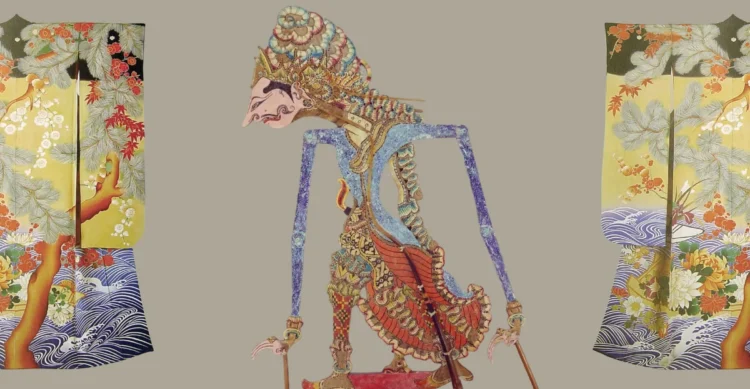
It feels overdue, this shift in language. Finally recognising fashion not just as adjacent to art, but as one of its most immediate, embodied forms. We’re no longer just looking at clothes. We’re looking at the body as canvas, as plinth, as site. A sculpture doesn’t have to sit still anymore: it can walk, breathe, turn a corner at the end of a runway. A painting doesn’t need a frame when it can contour itself to a waist, stretch across a shoulder, dissolve into movement. What we’re seeing now isn’t a new relationship between art and fashion, but a more honest one. These disciplines have always spoken to each other; we’re just finally fluent enough to hear it.
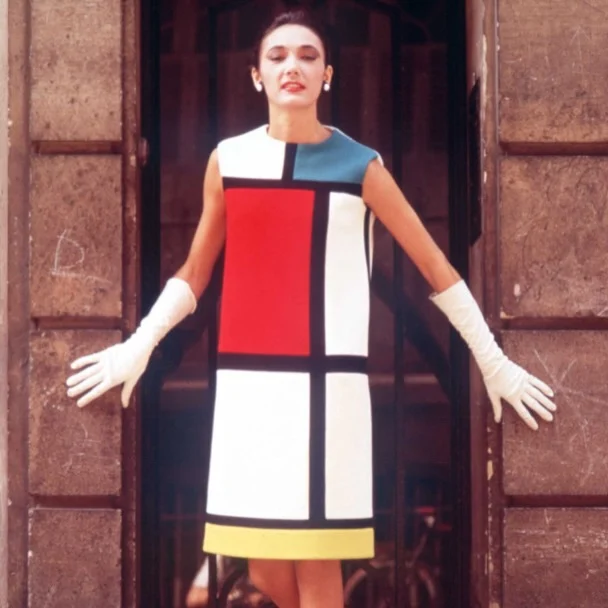
Designers have been moving along this spectrum for decades. Some push form until it breaks– into abstraction, into something almost unwearable, forcing us to confront the body differently. Others work within tradition so precisely that their garments feel like artefacts, studies in discipline and devotion. Think of Alexander McQueen turning the runway into theatre, where clothes became narrative objects, his “Plato’s Atlantis” collection rendering the body almost alien, somewhere between evolution and extinction. Or Yves Saint Laurent, who translated Piet Mondrian’s rigid geometry into dresses that moved, softening abstraction into something lived-in. Even Elsa Schiaparelli’s collaborations with Salvador Dalí; lobster dresses, shoe hats, collapsed the boundary entirely, turning the surreal into something wearable, if not entirely sensible.
FASHION IS ART
Every year, the Metropolitan Museum of Art transforms into a stage– a site for interpretation–where fashion is asked to perform at the highest level. The Costume Institute’s annual spring exhibition has always set the intellectual tone for the night, but Costume Art feels particularly expansive in its ambition. Drawing from a collection that spans over 5000 years, the exhibition positions fashion as a cross section of the larger visual and cultural continuum, alongside painting, sculpture, and antiquity. The opening of the new galleries only reinforces this shift. Fashion isn’t borrowing legitimacy from art anymore; it’s being embedded within it, given the space and institutional weight to be considered equal footing.
This year’s dress code, “Fashion is Art,” is deliberately open-ended, less a rule, more a provocation. It invites designers and their muses to interpret the body as medium, to think beyond surface-level references and into construction, form and meaning, Not just garments inspired by artworks, but garments that behave like them: sculptural silhouettes, painterly textiles, pieces that distort, exaggerate, or reimagine the body altogether. It’s a theme that resists easy answers, which makes it far more interesting. The expectation isn’t cohesion, but perspective; how each designer chooses to translate their own understanding of art onto the body, whether through restraint or excess, reverence or rebellion.
Which is why this year’s Costume Institute exhibition feels less like a theme and more like a culmination.
COSTUME ART EXHIBITION
We’re less than a month away from fashion’s biggest night. Each year, Metropolitan Museum of Art stages its spring Costume Institute exhibition on the first Monday in May, and with it, the Met Gala, fashion’s most visible performance of self. This year’s exhibition, “Costume Art,” promises a century-spanning exploration of the interplay between the body and clothing, drawing from both contemporary and historical works across the museum’s vast collection, nearly 1.5 million objects across 17 departments. It’s ambitious, but more importantly, it feels precise in its timing.
“Costume Art” will also inaugurate The Met’s new 12,000-square-foot galleries adjacent to the Great Hall, a physical expansion that mirrors this conceptual one. Fashion is no longer borrowing space from art; it’s being built into it. Backed by major cultural and corporate players, and designed by Peterson Rich Office, the galleries signal an institutional commitment to fashion as scholarship not spectacle. As something to be studied, archived, and argued over.
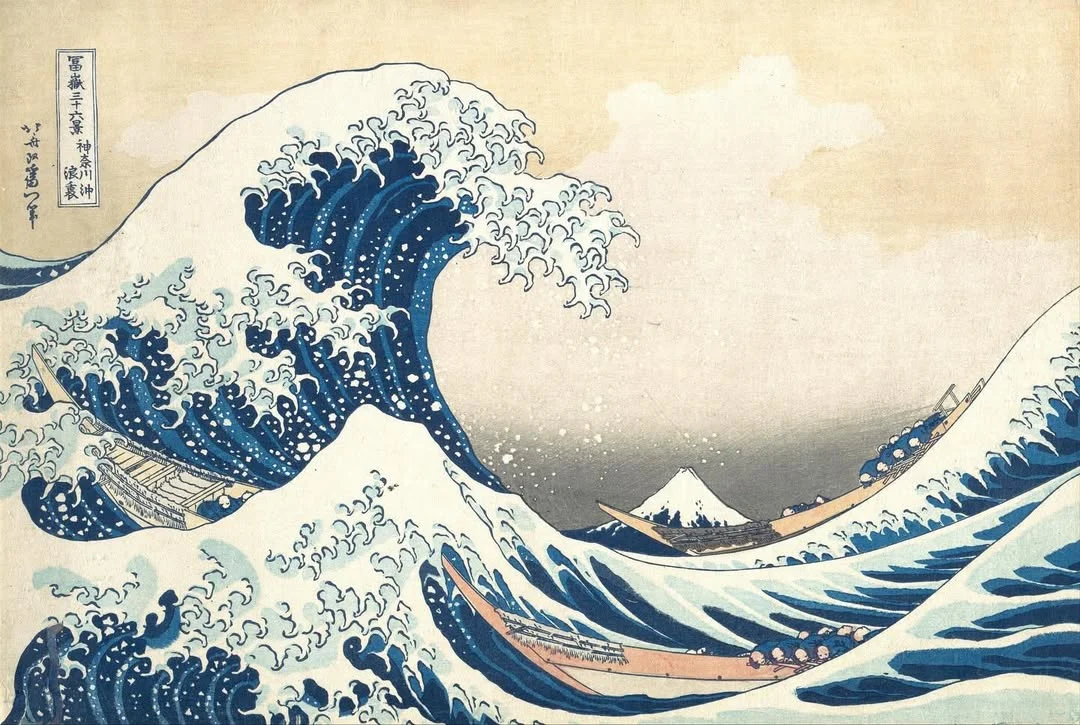
The exhibition’s premise is deceptively simple: the dressed body. Not just clothing as adornment, but as protection, as identity, as illusion. Fabric as both material and metaphor. It asks what happens when we stop treating garments as secondary to the body and instead see them as extensions of it, when a corset becomes anatomy, when drapery becomes gesture, when absence becomes as significant as presence.
AN OPPOUTINITY TO FOR PLAY
As Maurizio Cattelan puts it, fashion and art are no longer circling each other cautiously. They’ve recognised a shared fixation, on the body, on power, on desire, on status. The difference now is that neither is pretending otherwise.
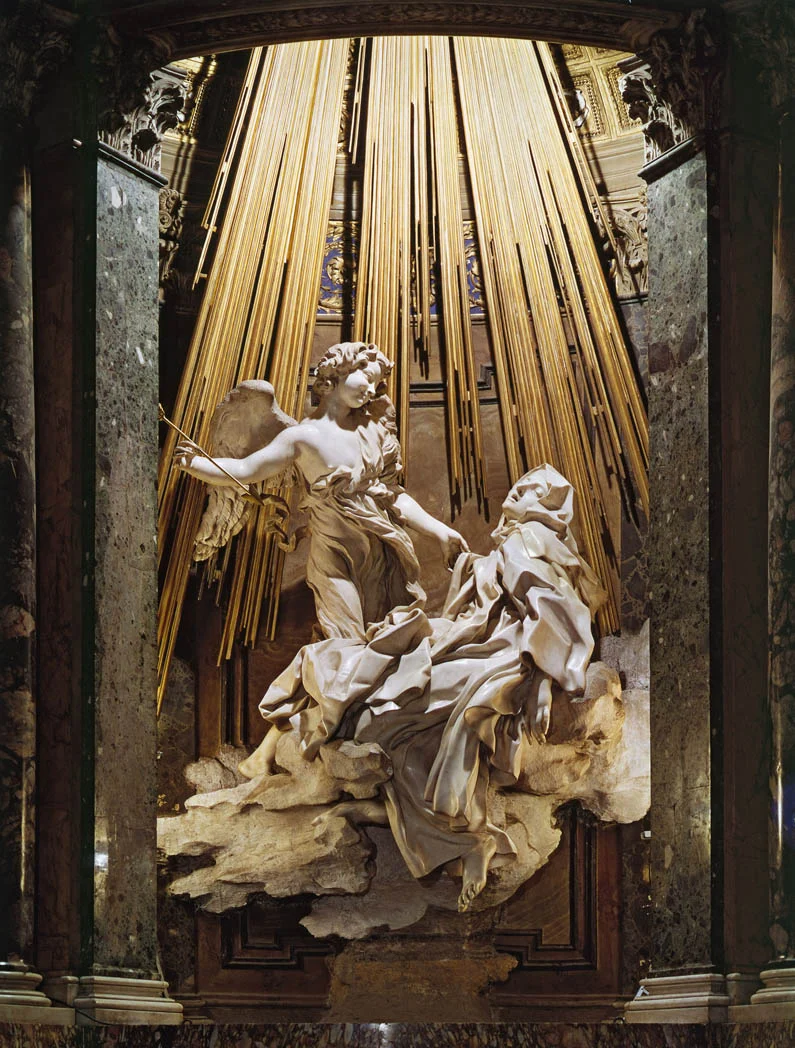
Unlike more prescriptive themes from previous years, “Fashion is Art” opens itself up. It’s less about adherence and more about interpretation. Designers aren’t being asked to follow a brief so much as reveal their own philosophy: how they construct meaning, how they manipulate form, how they understand the body as both subject and medium. We’ll likely see everything from archival revivals to architectural silhouettes, garments that reference antiquity alongside those that feel entirely speculative.
And then there are the designers and artists themselves; those who have already been doing this work long before it was named.
BODY MEETS DRESS, DRESS MEETS BODY
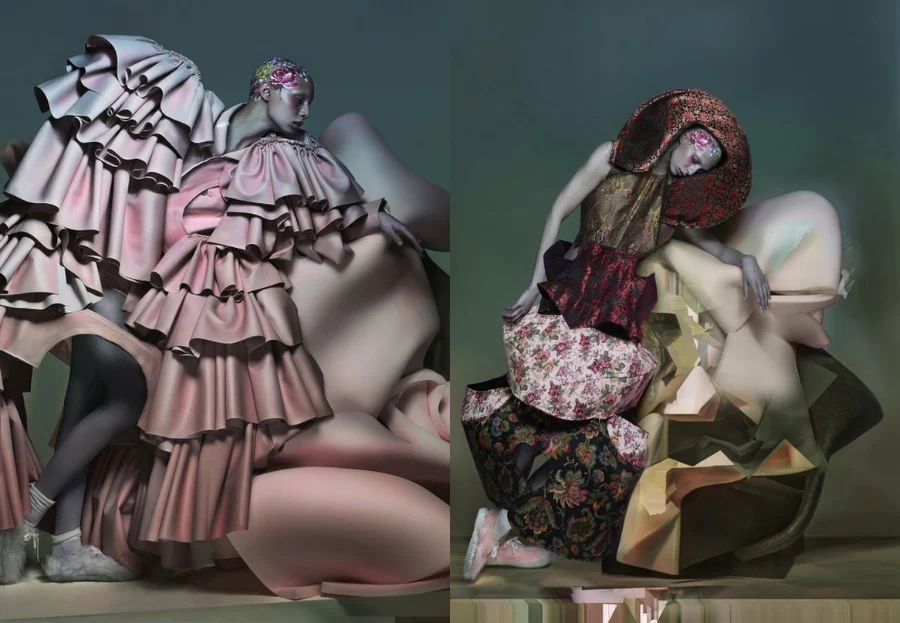
Rei Kawakubo has spent decades dismantling the idea of the “correct” body. Her Body Meets Dress, Dress Meets Body collection reconfigured the body, inserting bulges and absences that challenged symmetry, desirability, even humanity. It wasn’t about flattering the form; it was about questioning why we expect it to be flattered at all. In her hands, clothing becomes a kind of moving sculpture, one that refuses resolution.
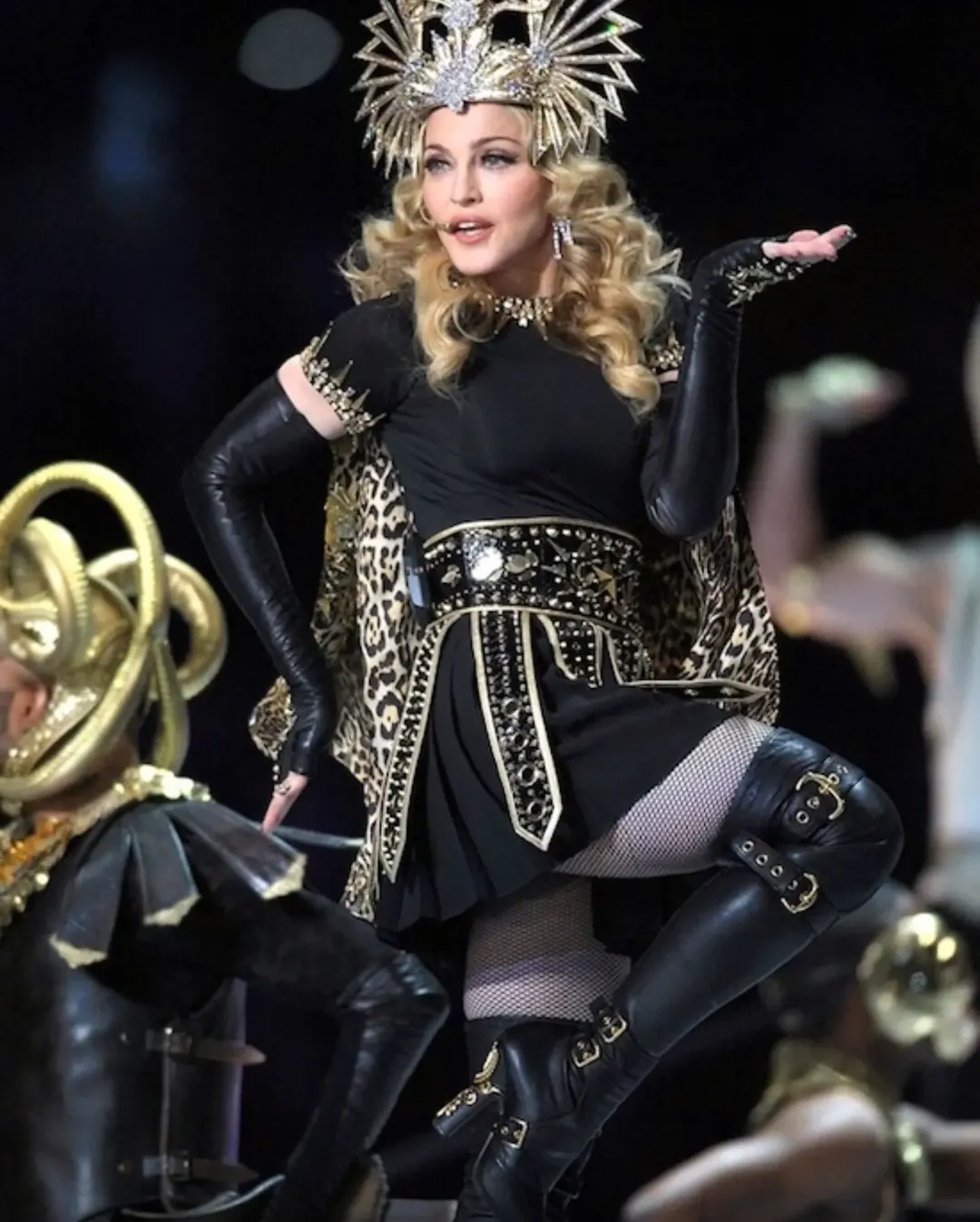
Riccardo Tisci, on the other hand, operates through synthesis. His work pulls from religion, streetwear, romanticism, and pop culture, collapsing hierarchies between them. There’s a reason his designs resonate across such a wide spectrum, from Madonna’s theatricality to Kim Kardashian’s now-infamous Met Gala debut while pregnant. For Tisci, the body isn’t something to be corrected, it’s something to be witnessed in all its phases, including those that fashion has historically excluded.
WEIRD & WONDERFUL
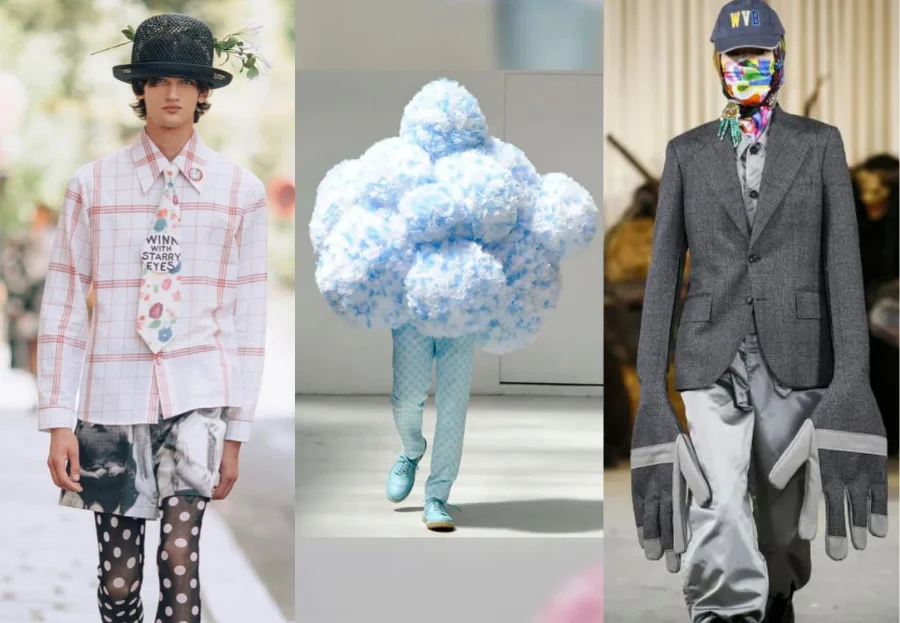
Then there’s Walter Van Beirendonck, who leans fully into the absurd. His work feels almost childlike in its refusal to conform, bright, strange, often humorous, but beneath that is a sharp interrogation of masculinity, gender, and beauty. His collections animate the body turning models into characters, sometimes even creatures. It’s fashion as performance, but also as critique.
With Mariano Fortuny, the approach is quieter but no less radical. His Delphos gown, inspired by ancient Greek sculpture, stripped away the rigidity of early 20th-century dress, allowing fabric to fall naturally against the body. It was about release; letting the body exist without interference. His work reminds us that innovation doesn’t always mean disruption; sometimes it’s about returning to fundamentals so completely that they feel new again.
THE ARTISTRY OF CONSTRUCTION
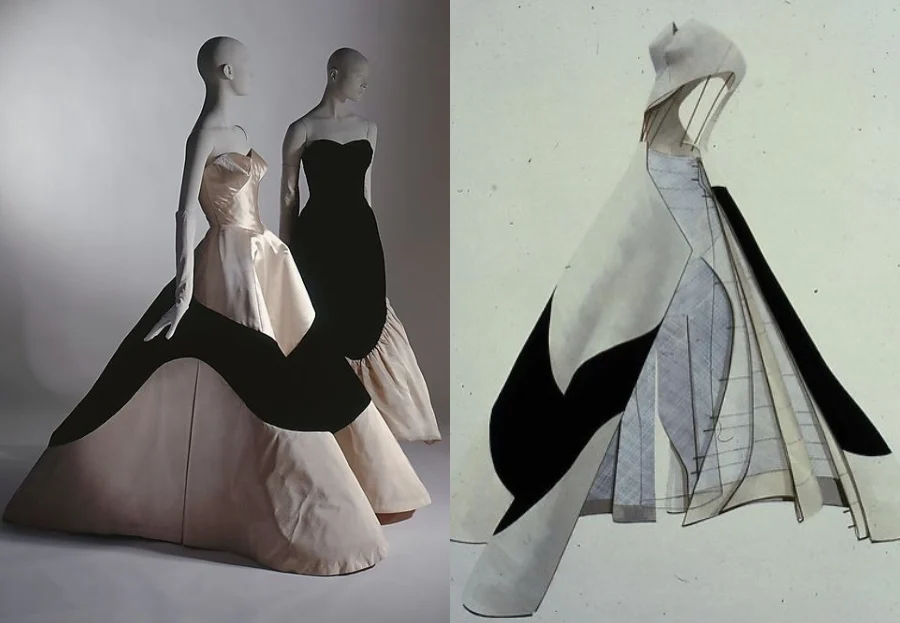
And finally, Charles James, who treated garments like engineering problems. His dresses were constructed with architectural precision. They held their own shape, sometimes literally, existing as sculptures even without the body inside them. Where Kawakubo distorts and Fortuny liberates, James builds, turning the body into a structural consideration, something to design around and against.
What ties all of this together and what makes this year’s exhibition feel particularly urgent, is the understanding that the body is not fixed. It changes, ages, expands, contracts, resists. Andrew Bolton’s framework for the exhibition, includes chapters like “The Naked Body,” “The Abstract Body,” “The Aging Body,” “The Pregnant Body”, doesn’t just categorise but it acknowledges that there is no singular ideal form. There never was.
And maybe that’s the point. If fashion is art, then the body isn’t a mannequin. Rather it’s a collaborator. Imperfect, unpredictable, deeply human. The question isn’t just what we’ll see on the Met steps this year, but how far designers are willing to go in embracing that complexity.