

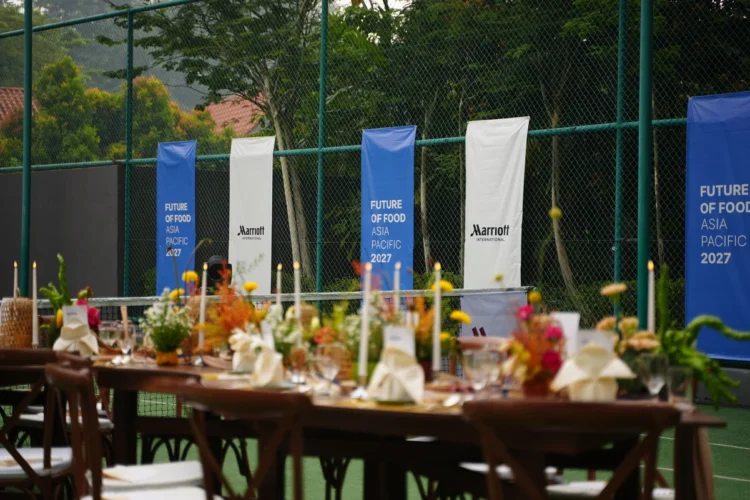
Marriott International recently debuted its Future of Food 2027 report in Malaysia through “The Local Edit,” an immersive evening at Petaling Jaya Marriott Hotel. Bringing together food, conversation, and technology, the event marks Malaysia’s entry into the regional discussion on how localisation, evolving social behaviours, and changing expectations for physical dining spaces are shaping the next chapter of Asia Pacific’s dining scene.
From Regional Trends to The Local Edit
Building on last year’s focus on heritage, provenance and sustainability, the Future of Food 2027 report looks at how these foundations are shifting as diners seek more personalised experiences, richer storytelling and new reasons to discover and taste local food.
Across Asia Pacific, 95 percent of surveyed properties identified authentic local signature dishes as the biggest trend in their market, while 69 percent said they are the menu attribute that most influences guest decisions. Demand has also risen more strongly for local signature dishes than any other menu attribute, at 46 percent, reinforcing the appeal of food that offers a distinct sense of place.
For Malaysia, these regional shifts take on a distinctly local expression:
- Health and plant-forward dining: 50 percent report demand for healthy food, while 54 percent see growing demand for vegetarian options.
- Changing drinking habits: 38 percent report lower sales of premium spirits and cocktails, while local wine and craft gin are seeing the strongest growth among Asian alcohol categories.
- Shorter dining occasions: Guests are spending less time in restaurants and bars than 12 months ago, pointing to shorter, more intentional visits.
- Evolving tastes and dining spaces: Regional Asian, fusion and plant-forward dishes are gaining ground, while tea-making experiences, private dining rooms, lounges and outdoor spaces are growing in popularity.
The Local Edit: 99 Minutes, Reimagining the Malaysian Table
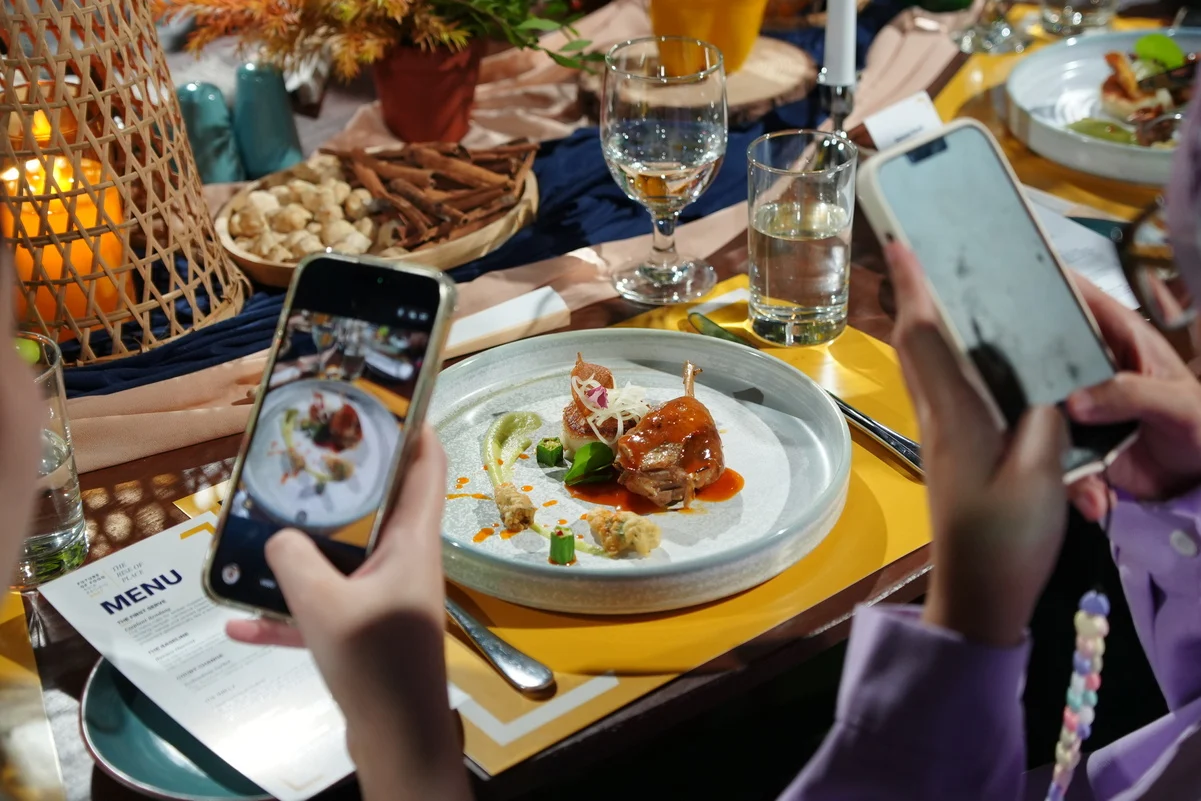
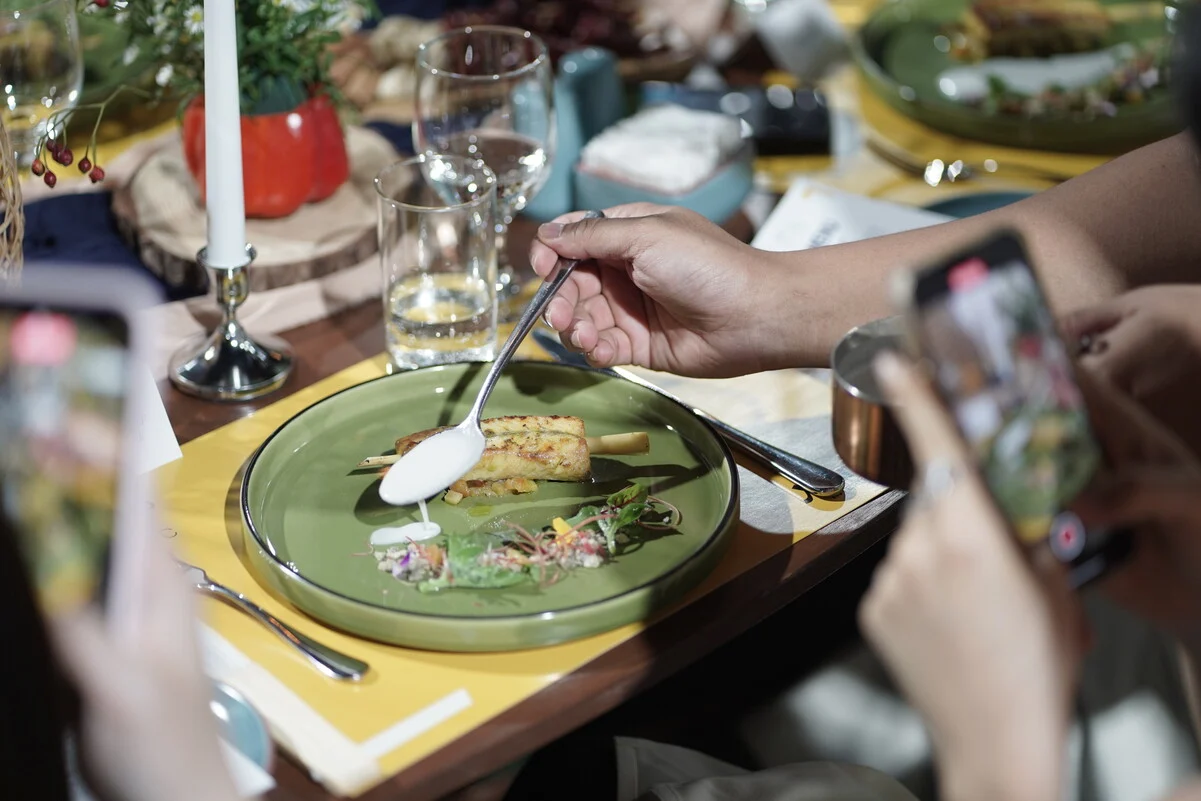
The Malaysia launch, The Local Edit, celebrated familiar local flavours through a contemporary lens with a five-course, 99-minute menu featuring Eggplant Rendang, Borneo Harvest, Charcoal Ikan Bakar and Assam Pedas Duck. The evening closed with Made For You, an AI-personalised Pandan-Coconut Mousse Tennis Ball dessert matched to each guest’s palate..
Complementing the dinner was a showcase of Marriott Bonvoy’s local partners, BoomGrow, Hétam, Salla Kulinaria, Tug Gelato, Salla Kulinaria and Bancuhan, spotlighting Malaysian ingredients, provenance, and homegrown craft.
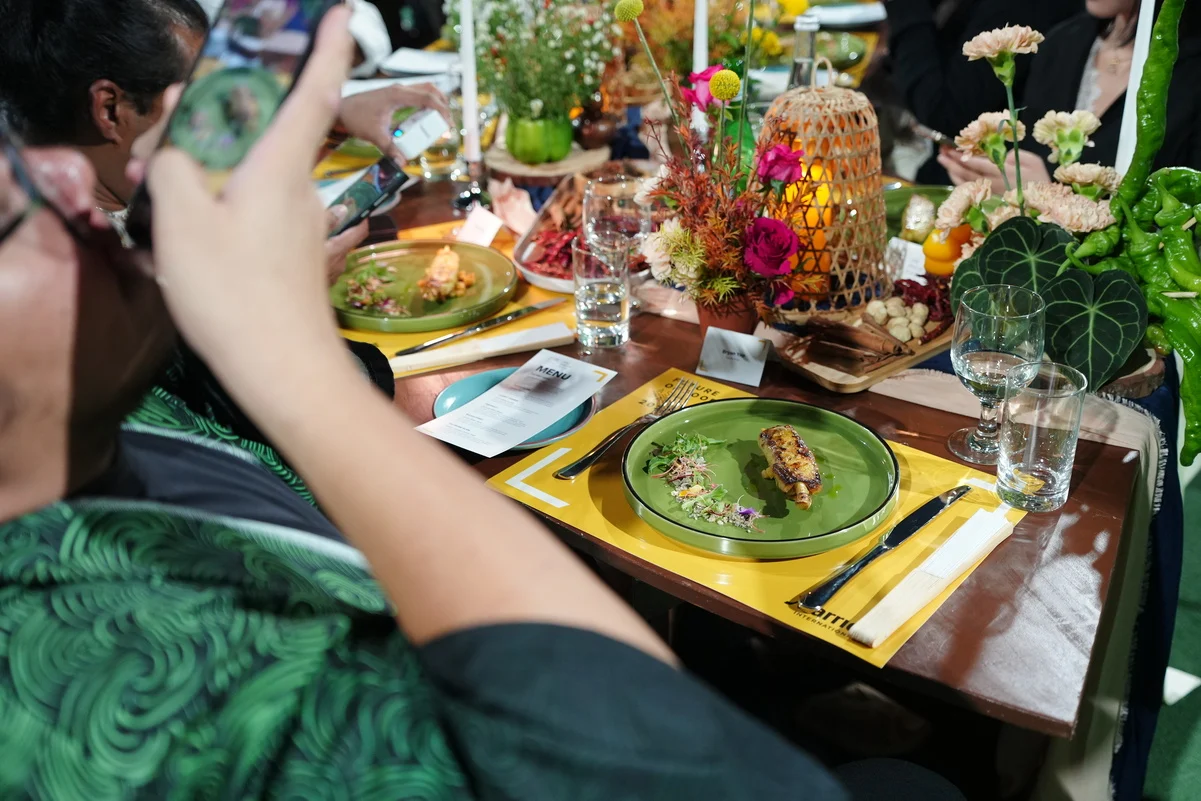
“Across Asia Pacific, guests are telling us the same thing: they want to feel the destination through what’s on the plate,” said George Varughese, Market Vice President – Malaysia, Marriott International. “Malaysia has one of the richest food cultures in the world, and The Local Edit is our way of celebrating it, not by reinventing Malaysian food, but by giving a glimpse of where the Malaysian table is going next. Through Marriott Bonvoy, we want our restaurants and bars to be places where locals and travellers alike come to discover the real flavours of the country.”
“Local sourcing is often talked about as a menu label, but behind every ingredient is a grower, a season and a supply chain that has to work,” said Dr Jay Desan, Co-founder and Director of BoomGrow. “When chefs and farmers work closely together, guests taste the difference in freshness.”
Freshness with Provenance
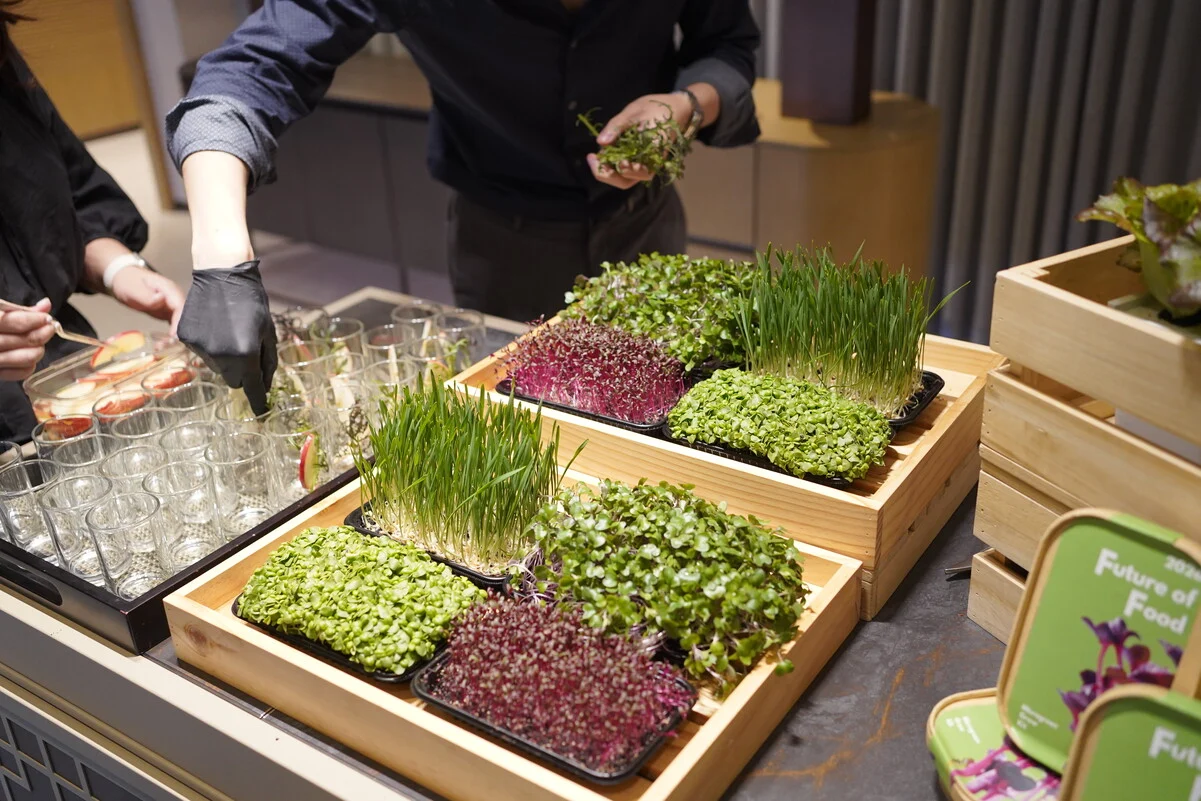
As diners become more conscious of what they eat, freshness is increasingly defined by seasonality, provenance and quality at source. Local and seasonal produce is becoming part of the story behind the dish. The Local Edit brings this trend to life through a distinctly Malaysian lens, putting local ingredients, their origins and the people behind them at the heart of the experience.
Dining for the Way We Gather
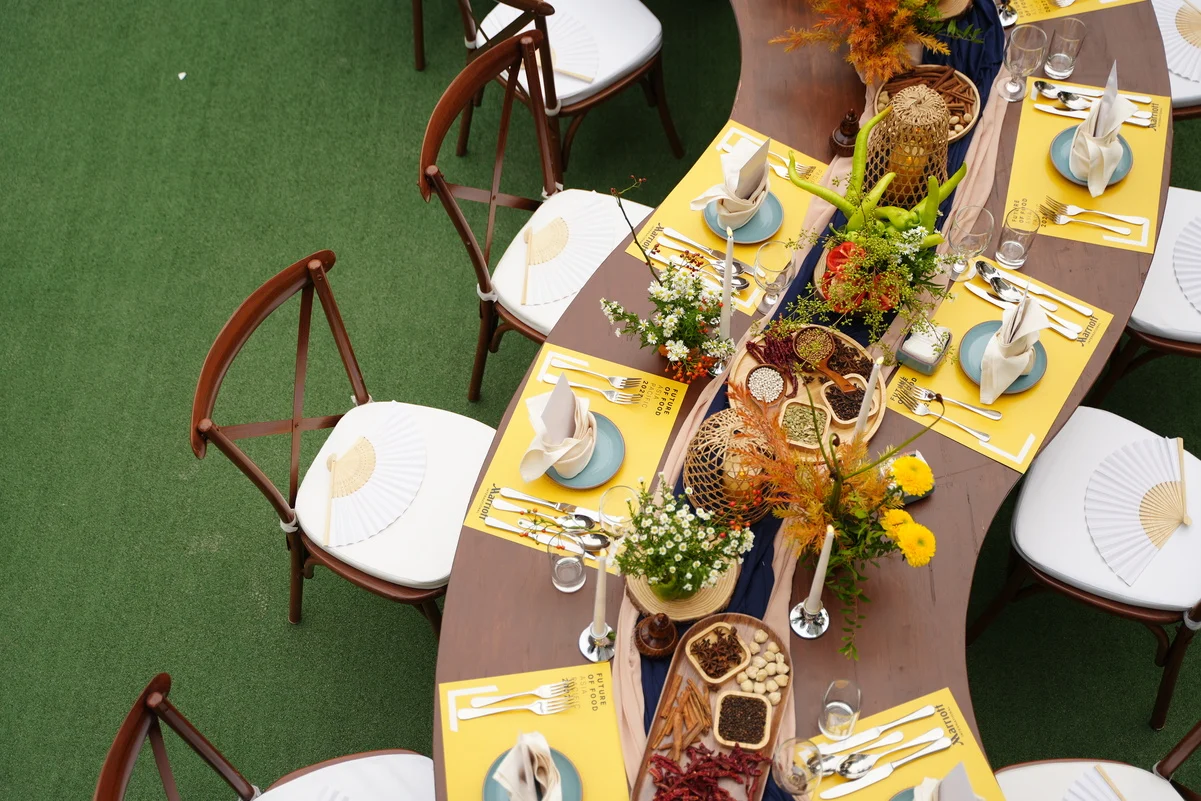
The report also highlights a shift towards more intimate and flexible dining environments, with smaller spaces and more personalised experiences emerging across the region. Among surveyed properties, 45 percent reported growing demand for casual dining spaces, while restaurants are increasingly adapting their environments to different ways of connecting, socialising and experiencing food.
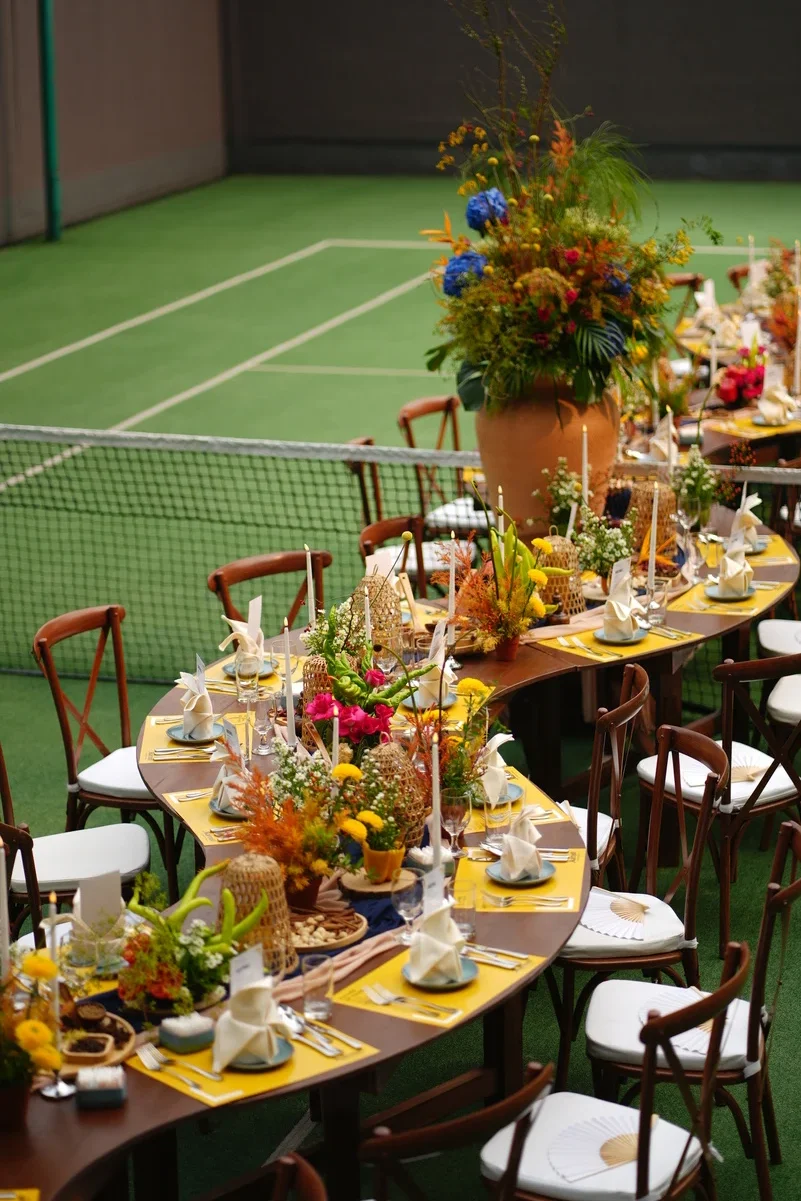
“Across Asia Pacific, we’re witnessing a shift toward intimate, locally-rooted experiences, where smaller, intentional spaces replace traditional formal dining models,” said Petr Raba, Vice President of Food & Beverage, Marriott International, Asia Pacific excluding China. “Hotels are becoming cultural storytellers, embedding regional talent, locally sourced ingredients and authentic connection into every aspect of the dining experience to create spaces that feel distinctly of their place.”
Technology is also playing a growing role, from connected systems and digital ordering to AI-enabled personalisation. At The Local Edit, this was brought to life through Made For You, an AI-personalised dessert matched to each guest’s palate, showing how technology can shape an experience around individual preferences.
- The Spatial Shift: Smaller, more distinctive venues are gaining traction with 40 to 60 seats emerging as the preferred size for more intimate dining concepts. Restaurants are also adapting spaces to suit different occasions and uses throughout the day.
- Solo Mojo: Counter seats, kitchen views and flexible portion sizes are making solo dining a more intentional experience.
- The Modern Menu: Texture and mouthfeel are taking centre stage, while spice is shifting towards subtler warmth and more aromatic profiles. Across Marriott properties, 79 percent report that guests most frequently opt for subtle levels of spice, with lemongrass and ginger leading demand for aromatic and herbal profiles.
- Eating Well, Eating Your Age: 97 percent of properties serve dishes featuring wellness and longevity ingredients, led by turmeric and ginger (80 percent), black sesame (64 percent), matcha (59 percent) and miso (52 percent).
- Alcohol Alternatives: 42 percent of restaurants and bars report higher sales of non-alcoholic beverages, while 22 percent report higher sales of low-alcohol drinks, pointing to a growing demand for premium alternatives.
- Silent AI: AI is increasingly being used behind the scenes, from menu development to guest insights, while human connection remains at the centre of the hospitality experience.