

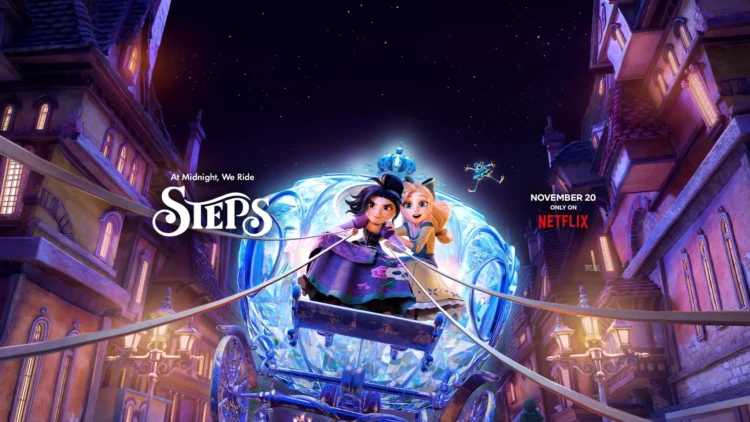
We all know how Cinderella ends. You know, the glass slipper, the dashing prince, a happily-ever-after so immaculately tidy it feels almost contractual. But perhaps, what we seldom pause to consider is the fate of the two women left on the sidelines, forever branded the “ugly stepsisters”.
Netflix Animation’s “Steps” finally asks, and its answer is warmer, and rather more bruising, than we anticipated.
Directed by Alyce Tzue and John Ripa – the latter of whom co-directed and wrote Disney’s “Raya and the Last Dragon”- the film is the studio’s first fully in-house animated feature. That milestone matters, because it accounts for both what charms us about “Steps” and what makes us sigh a little.
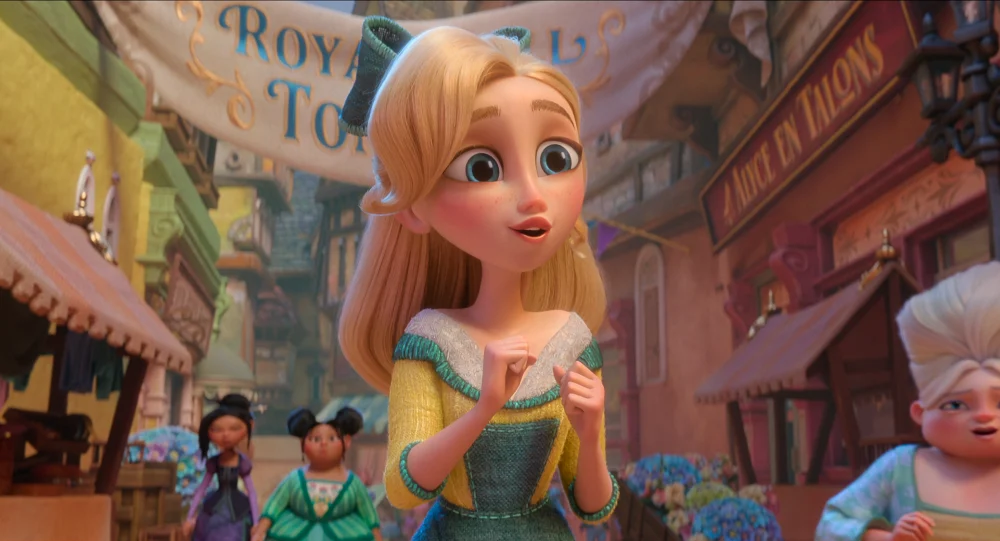
Sure, we know Cinderella’s story… Therefore, it doesn’t start with Miss C. Instead, it unfolds from the vantage point of our excitable stepsister Lilith (Ali Wong), who narrates her way into the kingdom. She moves into her new stepfather’s house with her sister Margot (Stephanie Hsu) and their mum, and swiftly befriends the diligent Cinderella (Amanda Seyfried). The trio forge a playful, sisterly bond that, by Lilith’s own admission, ought to surprise us.
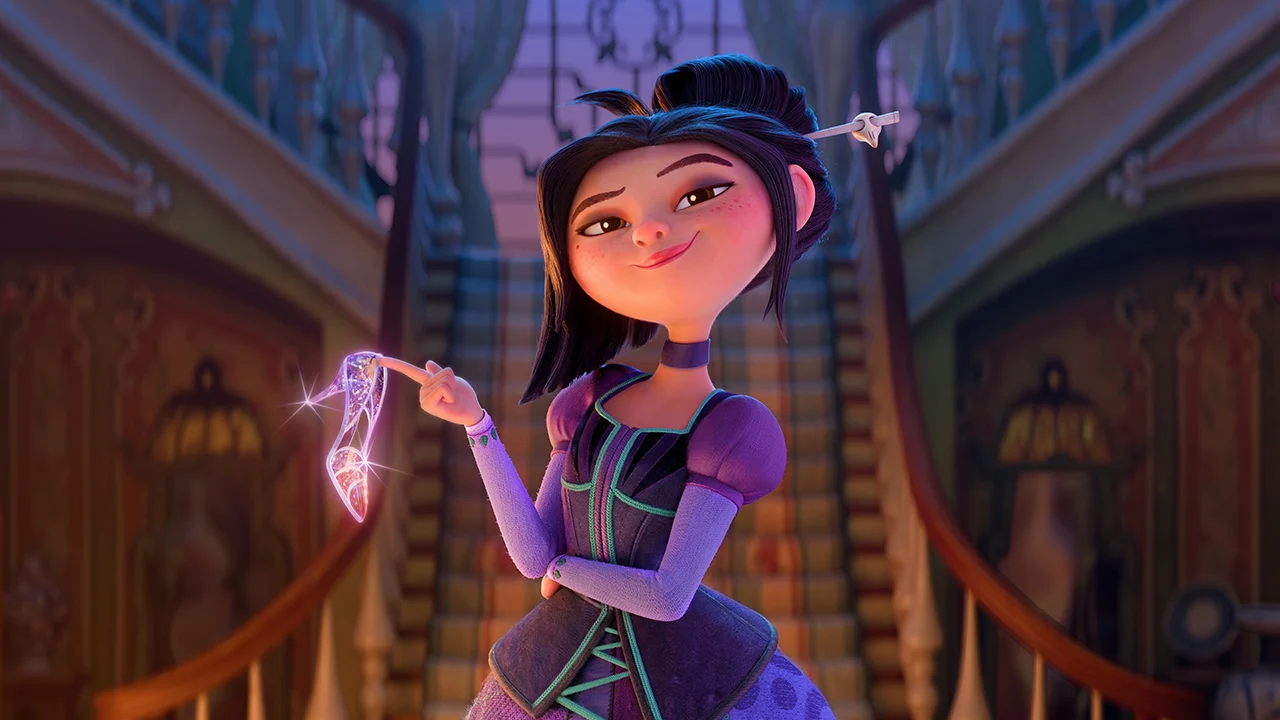
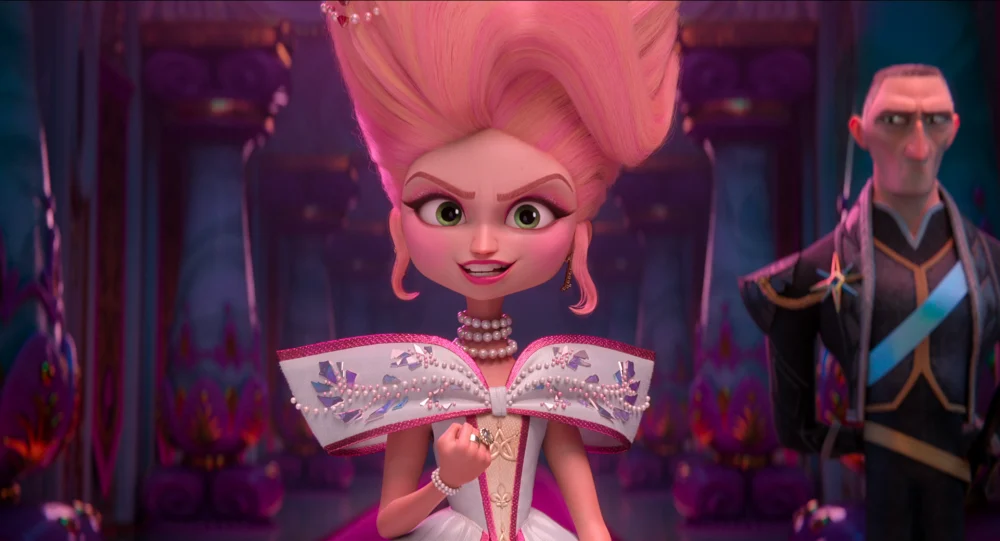
Alas, the idyll does not last. After a ball, the self-absorbed, current Nicki Minaj-coded Priscilla (Nikki Glaser) locks the sisters in a storm drain, and Cinderella declines to help, abandoning them at the behest of Priscilla.
Add a death in the family and a town that regards them as outsiders, and Lilith trades her dreams for a gothic wardrobe and a wary distance from Cinderella. Ten years on, she is thoroughly exasperated by all that relentless cleaning, singing, and smiling, not to mention the petting zoo – birdies, bunnies, deer, skunks, and what fine creatures from the forest – Cinderella beckons into the home now and then.
But one fine day, the kingdom announces a royal ball at which the prince (Daniel Radcliffe) will choose his bride, and everyone is invited except Lilith and Margot. When Lilith spots Cinderella’s Fairy Godmother (Bette Midler) conjuring a carriage and glass slippers, and being branded an evil stepsister for her trouble, she realises that someone has been rigging the story in Cinderella’s favour. So she steals the wand and gatecrashes the ball. Chaos ensues. Priscilla seizes the wand, turns Margot into a frog and, with the prince unable to recognise faces, slips into Cinderella’s role and secures the proposal.
And so, the Fairy Godmother confesses that her job was to make Cinderella’s fairytale come true at everyone else’s expense, and that the only remedy is to harness the magic of the glass slipper and travel back to the night of the ball. The sisters must get the prince to slip it onto Cinderella’s foot before midnight, while Margot edges ever closer to becoming a frog for good. Off they trudge, with Priscilla’s henchman Roderick (Peter Dinklage) hot on their heels, and into the path of a handsome troll named Gef (Young Mazino). We’ll leave the rest of the road for you to discover.
Let us be clear about one thing: “Steps” is not in the business of canonising the so-called “ugly stepsisters”. It is a loose reimagining of the original tale, and at heart a sweet drama about sisters who wound one another and then fumble their way back. We did have a recent horror spin on these characters in “The Ugly Stepsister”, which was rather excellent but did leave us thoroughly squeamish. And thankfully, “Steps” sits at the far gentler end of the spectrum. Our stomachs were far more grateful.
The film’s shrewdest stroke is rendering Lilith, Margot, and their mother as Chinese. It is a deceptively simple choice, yet it lets themes of inclusivity seep into the story without a single grand speech. You see, the townsfolk eye the family warily, and no amount of effort lets them truly belong, a feeling that will resonate with anyone raised as an immigrant, or as the child of one.
Lilith bears that weight most heavily, and it lends her prickliness and her longing an authenticity we did not expect from a fairy tale. Cinderella carries insecurities of her own, and the film is wise enough to let both girls be wounded in different ways. That shared fragility is what makes their reconciliation feel earned rather than dictated by the plot.
The messaging runs deeper still. At the bottom, “Steps” is about the stories we are handed, and who gets to be the heroine of them. The Fairy Godmother, ostensibly benevolent, proves to be a stage manager of fate whose meddling comes at everyone else’s expense. Cinderella’s unrelenting cheer is gently unmasked as armour against grief, a reminder that the person who always smiles may be the one hurting most.
Lilith, meanwhile, craves what many of us secretly crave – to be adored rather than overlooked. Without spoiling the how, the film also decides that sisterhood, rather than romance, is the bond most worth rescuing, a refreshing order of priorities for a fairy tale. Even the title does double duty, serving as shorthand for stepsisters and, we suspect, as a quiet metaphor for the small, deliberate steps required to mend a broken relationship.
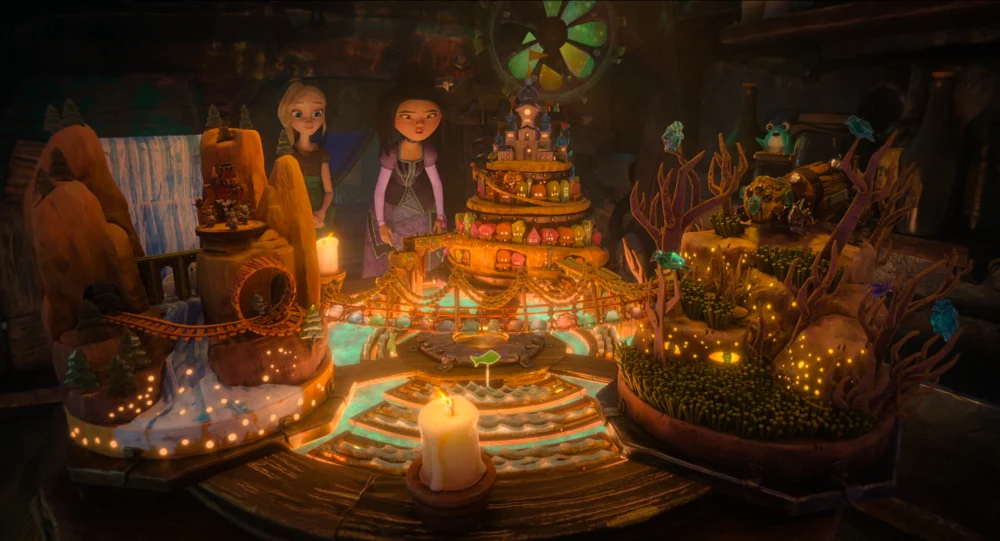
Visually, “Steps” is pretty good for what it is. The animation is fluid enough, and the kingdom is a riot of colour and vibrancy that keeps the eye amply entertained. Memorable, however? Perhaps not quite. It is unlikely to lodge itself in the zeitgeist alongside the great sisterly-love films, but it remains a perfectly good watch.
Where “Steps” stumbles is in its habit of telling rather than showing. The film often announces its intentions aloud, spelling out feelings and lessons that its images and performances had already conveyed. We can hardly fault it, since this is a children’s film and clarity is a kindness to young viewers. Still, a few details could have been left to be picked up quietly, trusting the audience, young and old, to connect the dots without a narrated nudge.
The film is also devoted to formula. For a first in-house outing, Netflix Animation deserves real credit, yet “Steps” still feels hemmed in by the studio’s house style, dutifully ticking boxes and tossing in popular songs to jolt the audience whether or not they belong.
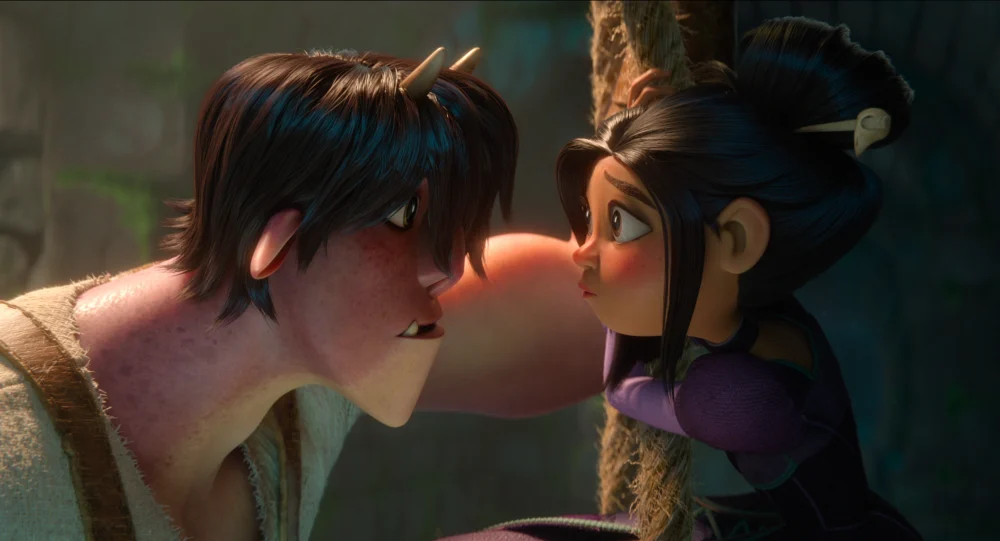
Case in point: Olivia Rodrigo’s “Brutal” and Benson Boone’s “Beautiful Things” both arrive with a sudden boom, the first to flag Lilith’s rebellious phase and the second when she turns wobbly-kneed over the troll Gef. We understand the intent, but both land more like playlist placements than storytelling.
Happily, the humour fares better. The jokes mostly land, and the film is dotted with genuinely cute moments. Our favourite is the goat sequence, in which people ride goats like bicycles along wooden roller-coaster-style tracks, looping the loop to the chorus of alarms and park chimes. Daft and glorious bleating.
Another delight is Roderick, Priscilla’s resolutely no-nonsense henchman, whose stern professionalism makes his lapses all the funnier. In one scene he goes hussing in the manner of the cop in “Cloudy with a Chance of Meatballs”, and the gag is funny in itself.
All told, “Steps” is a warm, well-meaning take on a story we thought we had committed to memory. Its familial and sisterly themes give it a beating heart that the formula cannot quite drown out. It’s not going to reinvent the fairy tale itself… and it doesn’t ruin anything. Indeed, it is quite a pleasant watch and a promising first step (pun very much intended) for Netflix Animation’s in-house team.

“Steps” is currently playing on Netflix,
The Review
Netflix Animation's Cinderella retelling puts sisterhood ahead of romance and finds real heart in its outsider family, even if a formulaic playlist and a habit of spelling everything out keep it from sticking once the clock strike twelve. Or maybe, that's very much in theme?
Review Breakdown
- Fair