

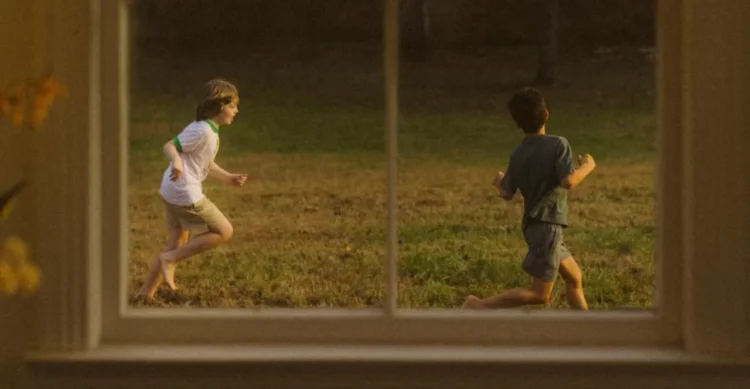
To tease his fourth studio album, Noah Kahan wrote on Instagram: “From a long silence forms a divide, a great expanse demanding attention. I stare across it… The songs are the words I would say if I could.” That framing matters, because “The Great Divide“ feels exactly like that: a long stare across something you cannot cross, but cannot ignore.
What he captures across these 77 minutes is not just heartbreak, but the feelings you already recognise and cannot control. The kind that lingers like an old bruise–mostly healed, but still tender if you press on it. Kahan spends the album unpacking memory. Not neatly or linearly, but expansively. Time stretches. Feelings ebb and flow. The album refuses to apologise for any of it: anger, longing, regret, wishfulness, pleading. Instead, it simply says: I see you. I feel that too. And in doing so, it forces you to show up to yourself. That is rare. And quietly radical.
Sitting in the In-Between
The strength of “The Great Divide” lies in its refusal to resolve. It exists entirely in the in-between, not offering closure or clarity, asking you to sit inside uncertainty.
Kahan treats emotions as fluid rather than fixed. You can feel love and resentment at once. You can miss someone and still be relieved they are gone. The album does not try to reconcile these contradictions. It allows them to coexist.
In a time that demands immediacy, quick fixes, clean healing, and constant distraction, this feels almost subversive. We are rarely encouraged to sit with discomfort. There is always something to numb it.
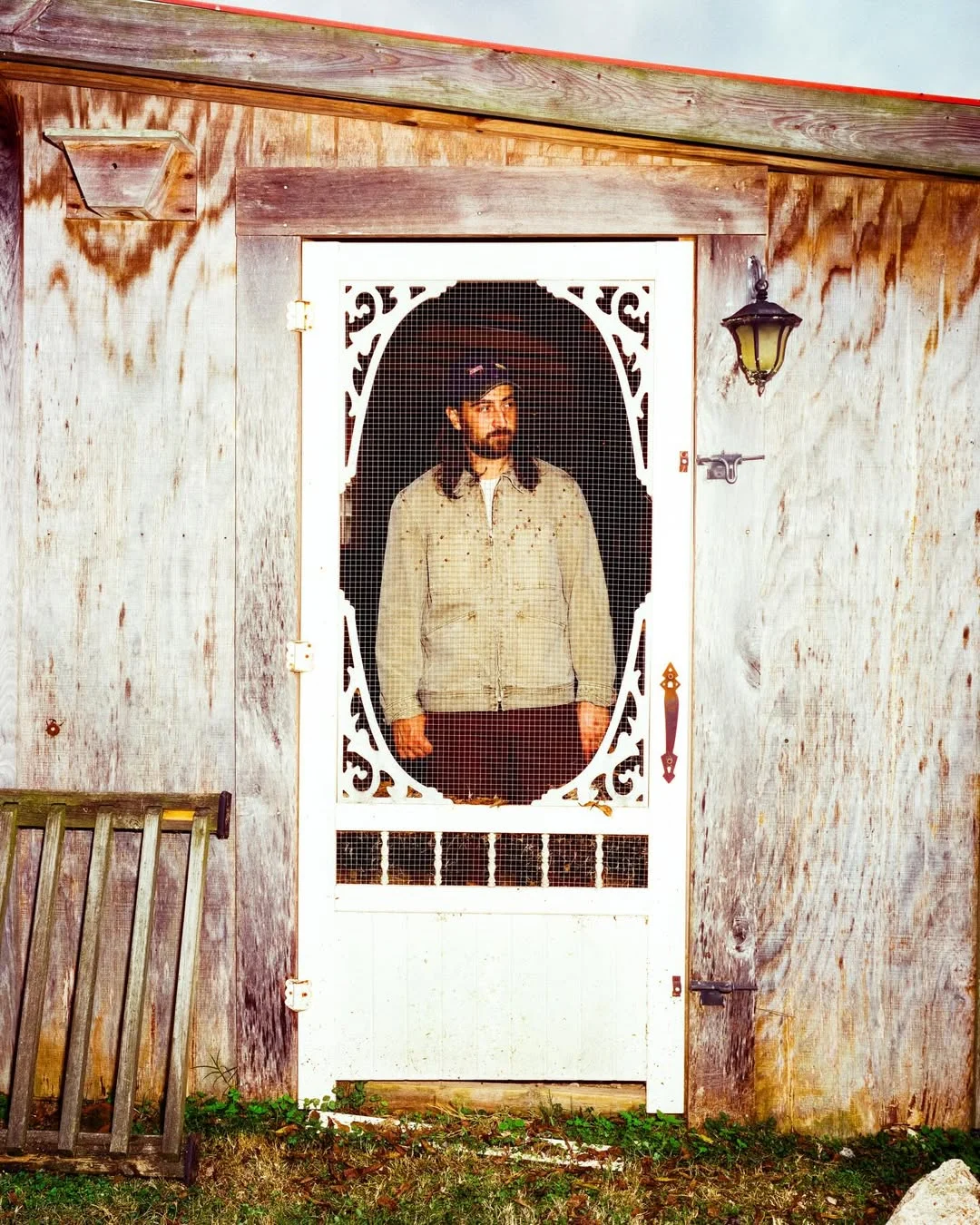
Khan lets things stretch out longer than they should. He repeats thoughts. He circles back. He refuses to move on when it would be easier to. And in doing so, he creates something that feels deeply human: the experience of being stuck in your own mind, replaying, reframing, re-feeling.
It is not cathartic. It is definitive.
Memory as Evidence
Throughout the album, memory is not distant; it is active. Something you revisit, reframe, and carry forward. Listening to it feels participatory. It brings up everyone: parents, siblings, lovers, friends, past versions of yourself. The album asks you not only to listen, but to acknowledge– to recognise yourself in what is being said, even when it is uncomfortable.
Kahan “states a feeling like a fact.” That approach gives the album its weight. Emotions are presented plainly, without dramatics or cushioning. “And you tell yourself lies and disguise them as facts / It’ll hurt half as much if you drive twice as fast.” That line feels like the thesis of the album. The ways we distort reality to make things easier. The ways we avoid sitting still long enough to actually feel what is happening.
“The Great Divide” treats memory like evidence. It revisits younger versions of the self, old relationships, past habits, not to romanticise them, but to examine them. To hold them up and say: this happened. This mattered. This still exists in me.
And once you see it like that, you cannot really look away.

No Heroes Here
The album never positions its narrator as a hero. If anything, Kahan leans into the opposite. “I’ll keep praying for your downfall. I don’t mind being your dead end.”
On “Downfall,” these lines land because of their certainty. There is no build, no emotional softening; just a statement. A directness that runs throughout the album. Emotions are presented without cushioning. Conclusions arrive without negotiation.
It feels uncomfortable because it feels honest. People are not always kind. They are not always fair. They are not always self-aware. And Kahan does not try to rewrite that. He lets the narrator be petty, jealous, bitter, and contradictory. Which, paradoxically, makes the album feel more empathetic.
“Willing and Able” and the Violence of Familiarity
“Willing and Able” stands out as one of the most devastating tracks on the album. On the surface, it reads as a song about a strained sibling relationship. But it quickly becomes something broader: a study of two people who love each other deeply, but cannot fully know each other.
The biblical parallel to Cain and Abel is hard to ignore. Not just in name, but in theme, envy, misunderstanding, proximity, and the quiet violence that can exist between people who share history.
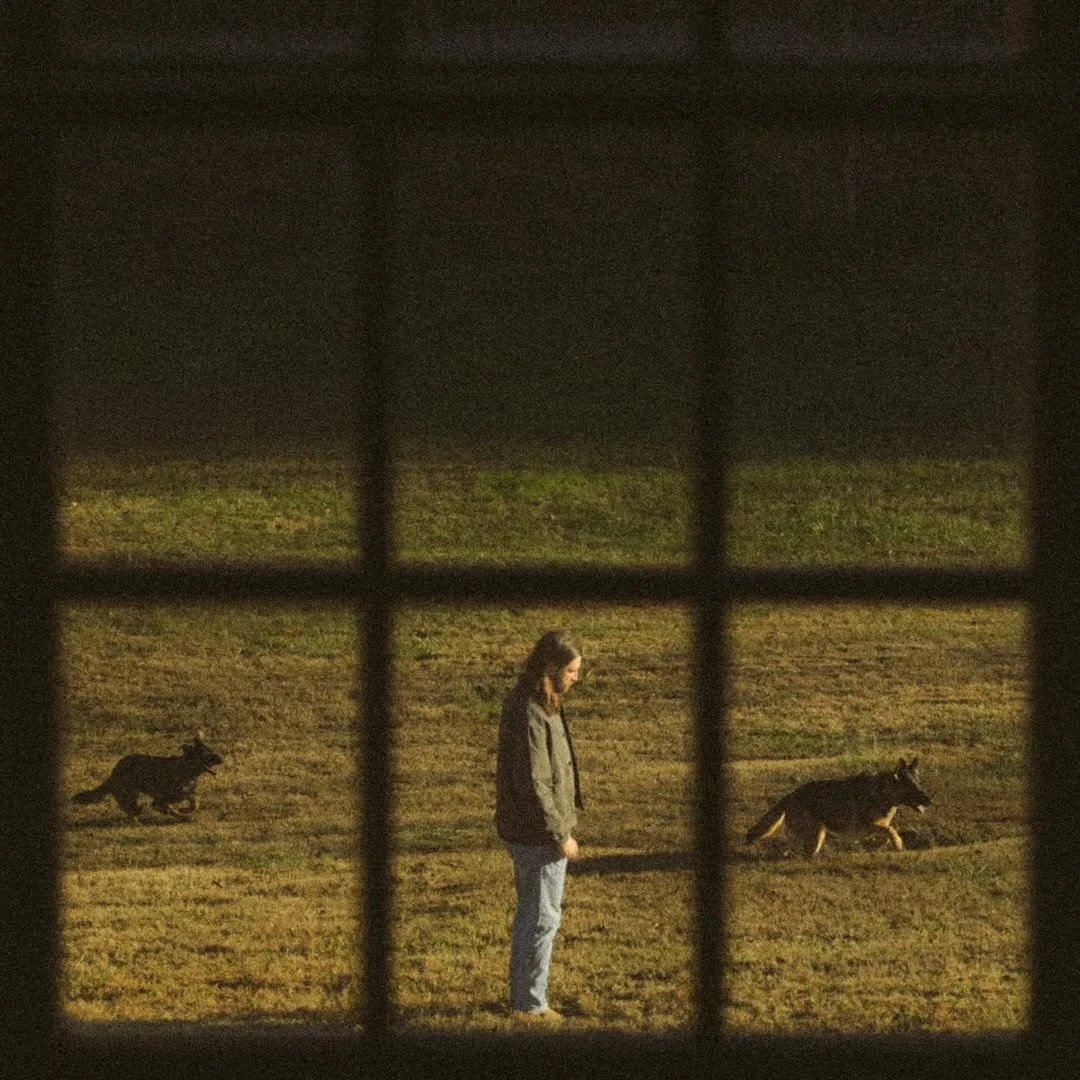
“When I make my flight, I’m the devil / But when I stay the night / Then we drink / And we stay up and fight ‘bout the childhood lie / That we both had the courage to leave.” There is a shared truth here, but no shared understanding. Both versions of the story are real. Both versions hurt. That is the tension the song sits in: the impossibility of reconciling two equally valid emotional realities.
“Oh, I wish you could know me / And I wish I could know you much more sometimes…” That line feels like the emotional core not just of the song, but of the album. The desire to be known, fully and honestly—and the quiet recognition that it might never happen.
Even the language of the song reflects this instability. Phrases like “kick this rock around” blur idioms together, suggesting both dismissal and engagement. Stay or leave. Talk or walk away. It does not matter. The narrator will meet them wherever they are.
“I’ll do whatever you ask me.” That willingness is not romantic. It is desperate. And what makes it heartbreaking is the familiarity of it. The sense that this dynamic is not unique. That many relationships exist in this exact state– circling, clashing, never quite resolving.
The Aftermath of Leaving
If Stick Season was about leaving, “The Great Divide” feels like what comes after. There is a shift in perspective. Where Kahan once urged movement, he now questions what that movement cost.
The album repeats itself–lyrically and emotionally. At times, it borders on redundancy. But that repetition feels intentional, mirroring how unresolved feelings linger.
The tension between who you were and who you are now drives the album. It does not offer closure or suggest that growth is clean or linear. It simply makes the process visible.
Fame, But Made Universal
On paper, “The Great Divide“ grapples with fame, a theme that often becomes self-indulgent. Kahan avoids that by grounding it in something broader.
Yes, there are references to career, expectation, and relationships strained by success. In “Haircut”, Khan says, “Some small fame ain’t made me someone else,” to express his desire to maintain his own identity outside of what he’s done.
But at its core, the album is about distance.The gap between who you were and who you are now. The people who knew you before, and the person you have become. That distance is universal, whether it comes from moving away, growing apart, or simply changing.
The Radical Act of Feeling
Some have framed Kahan’s work within conversations about male loneliness. While present, that framing feels too narrow. This album speaks to a wider condition.
We are living in a time of instability, economic pressure, global crisis, and constant noise. There is always something pulling us away from ourselves. In that environment, we have become uncomfortable sitting with our own thoughts. There is always a distraction, a quick fix, a way to avoid feeling. Kahan resists that entirely. He shows what it sounds like to sit with a feeling long enough to move through it, to get past the initial discomfort and reach something deeper.
That quiet, persistent ache. The one that reminds you that you are human. There is something powerful in that. In refusing to rush. In allowing feelings to exist without resolution. It is not loud or dramatic. But it is radical.

Final Thoughts
“The Great Divide” is not an easy listen. It is long, emotionally dense, and at times repetitive. But that is also its strength. It does not offer easy answers or clean resolutions. It does not try to move past discomfort too quickly. Instead, it stays in it.
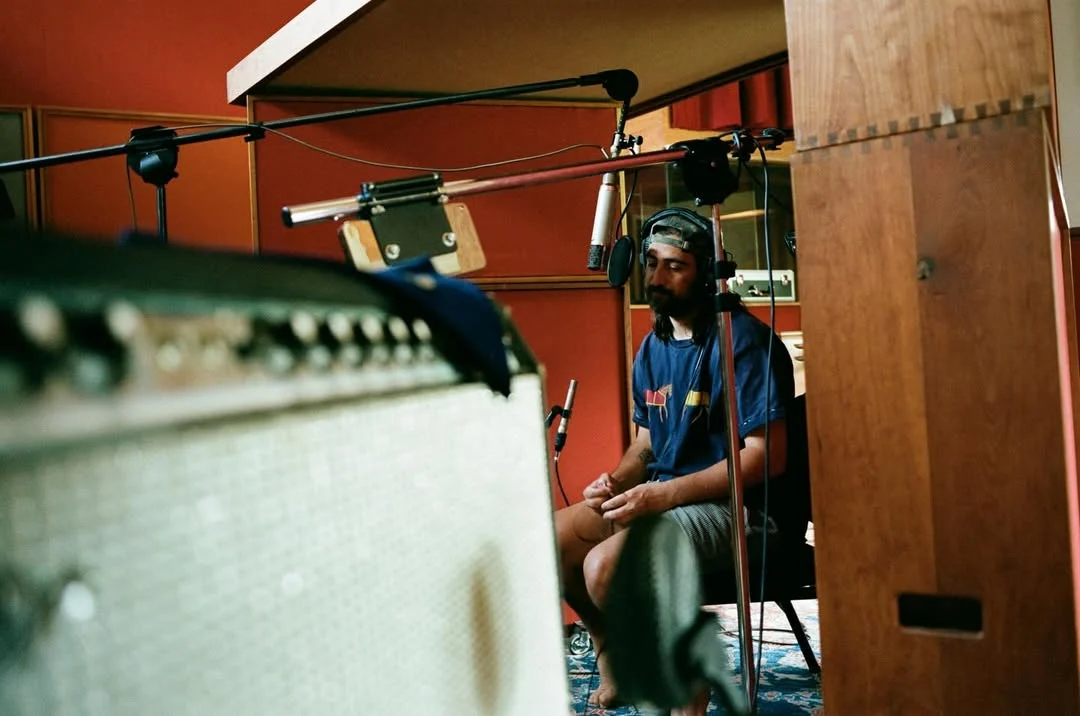
Sonically, Kahan does not reinvent himself here. He deepens what already works. That is, in large part, due to his collaborators. Working again with longtime producer Gabe Simon, alongside Aaron Dessner and drummer Carrie K, the album leans into something more expansive. The songs stretch out, often pushing past the five-minute mark, trading in immediacy for something slower and more immersive. The arrangements feel patient, sometimes deliberately restrained; there are fewer easy, shout-along moments.
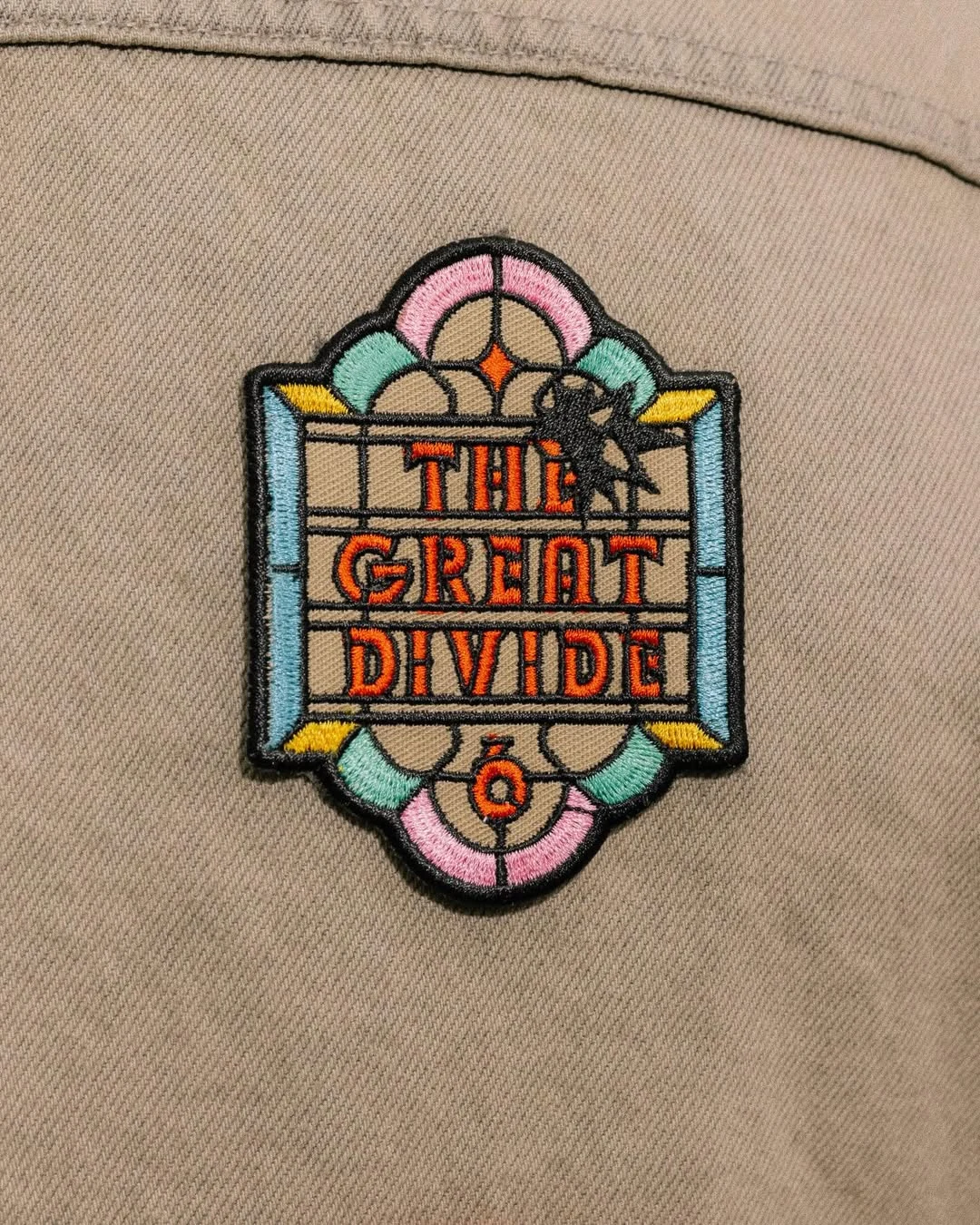
At its best, that restraint becomes something more complex. On tracks like the opener, “End Of August”, the production mirrors the emotional instability Kahan is circling; layered vocals overlapping, tension building towards a release that never fully holds. When those moments land, they feel earned, but also fleeting. The catharsis doesn’t last. It recedes almost as quickly as it arrives, reinforcing the album’s central idea that no feeling is permanent, even the ones we chase.
But that same approach can flatten the album in places. When the arrangements fall back into more familiar patterns, the contrast becomes more noticeable. You start to hear the limits of the sound Kahan has built for himself.
Still, when it works, it works because of that balance. Dessner draws out the quieter, more uncomfortable edges of Kahan’s writing, while Simon keeps the foundation grounded in the rustic, acoustic world Kahan has made his own. Carrie K’s percussion adds a subtle forward motion, giving even the most introspective moments a sense of movement.
Together, they create a space that feels lived-in rather than artificial. Nothing feels overly polished or forced. The production gives the emotions room to breathe, to linger, to exist without being resolved too quickly.
And that is ultimately what makes “The Great Divide” land. Because at its core, this album is about the space between who you were and who you are. And the difficult, necessary act of sitting there long enough to understand it.
Listen to “The Great Divide” anywhere you get your music: