

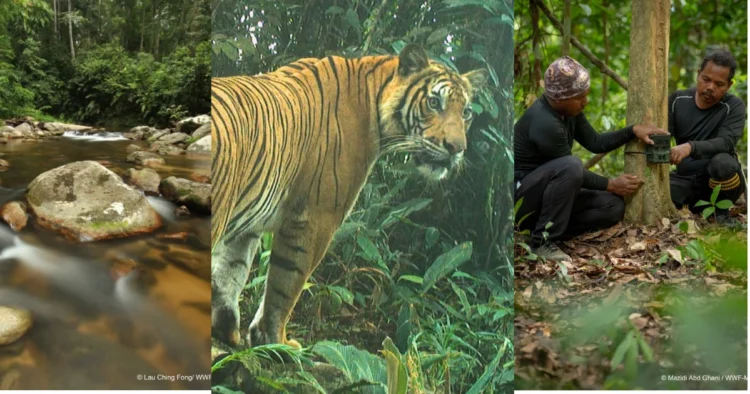
Climate stories rarely leave us feeling hopeful.
Over almost any news app, and across social media, you’ll find headlines about record-breaking heat, devastating floods, disappearing wildlife, or forests under threat. The climate crisis has become so constant that optimism can feel almost irresponsible; as though acknowledging progress somehow downplays the urgency of what is still at stake.
It’s easy to talk about climate action like it’s not working. Like nothing is happening fast enough, or big enough, or loudly enough– except deterioration.
Environmental progress rarely makes headlines because it isn’t dramatic. It happens slowly, through years of restoration, policy changes, scientific innovation and ordinary people deciding that their communities are worth protecting. It isn’t always liner, and it certainly isn’t perfect, but it is happening.
And if you look closely, Malaysia has many reasons to believe that positive environmental change is already underway.
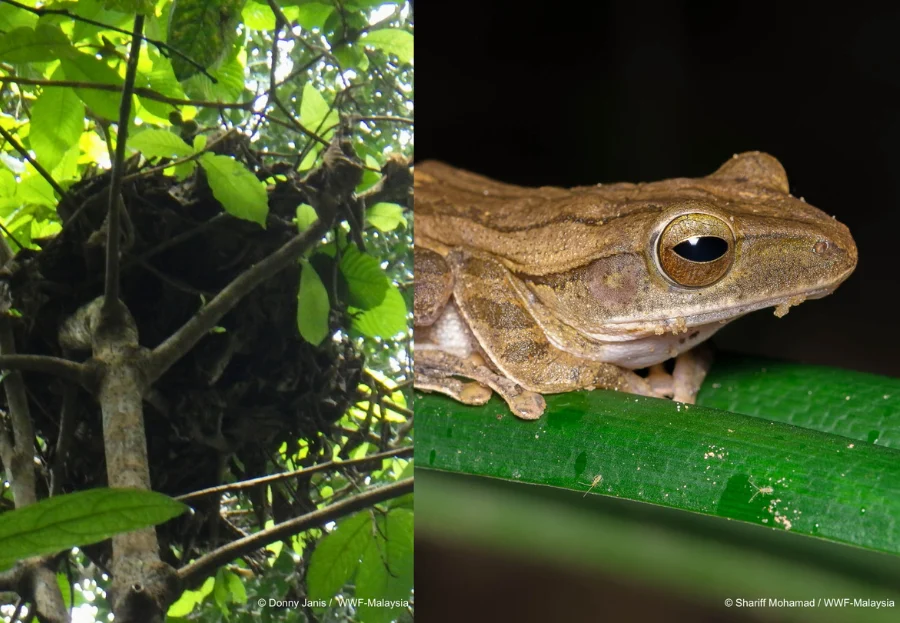
Nature is Fighting Back
If there’s one place where climate action feels tangible, it’s in Malaysia’s mangrove forests.
These coastal ecosystems quietly protect communities everyday, buffering against storm surges, reducing coastal erosion and storing significantly more carbon than many terrestrial forests. Across Selangor, Johor, and other coastal states, local volunteers, NGOs, universities and communities have spent years restoring degraded mangrove forests, rebuilding natural defences that benefit both people and wildlife.
Since the launch of the Greening Malaysia Programme in 2021, millions of trees have been planted across degraded landscapes, reconnecting fragmented forests and creating habitats that will continue absorbing carbon for decades to come. Technology is also changing what restoration can look like. In Sarawak, drones are now being used to distribute seeds across remote terrain, allowing large areas of forest to be replanted in a fraction of time traditional methods once needed.
None of these efforts are making overnight headlines but they represent ecosystems beginning to recover.
Conservation and Climate Action
Wildlife conservation and climate change are inseparable.
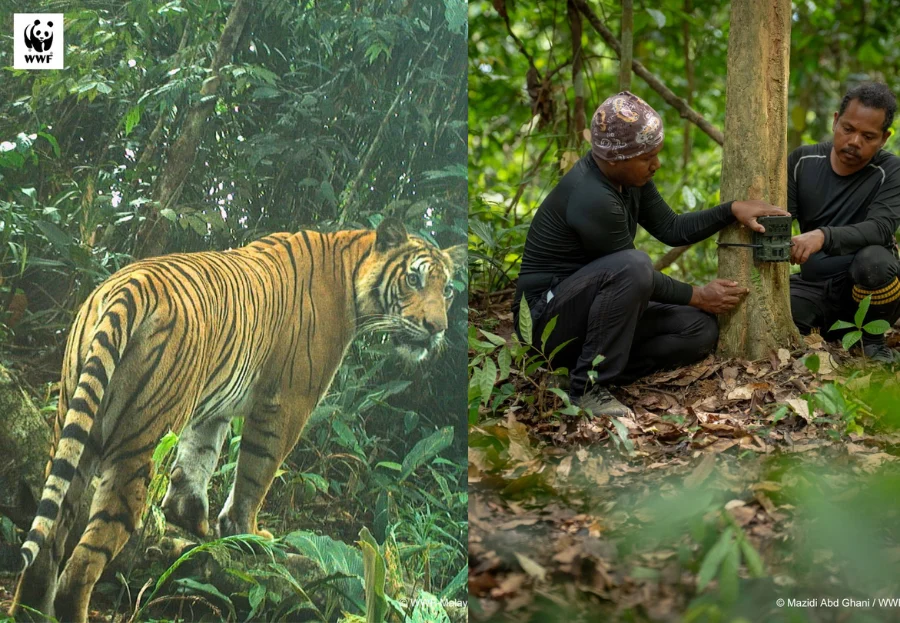
Protected wildlife means healthier habitats capable of supporting everything around them– including people. Malaysia has quietly recorded several encouraging milestones in recent years.
Sabah’s Kinabatangan region was recognised as a UNESCO Biosphere Reserve, protecting hundreds of thousands of hectares of one of Southeast Asia’s richest ecosystems. Wildlife corridors are helping pygmy elephants safely move between fragmented forests, reducing conflict with nearby communities while restoring natural migration routes.
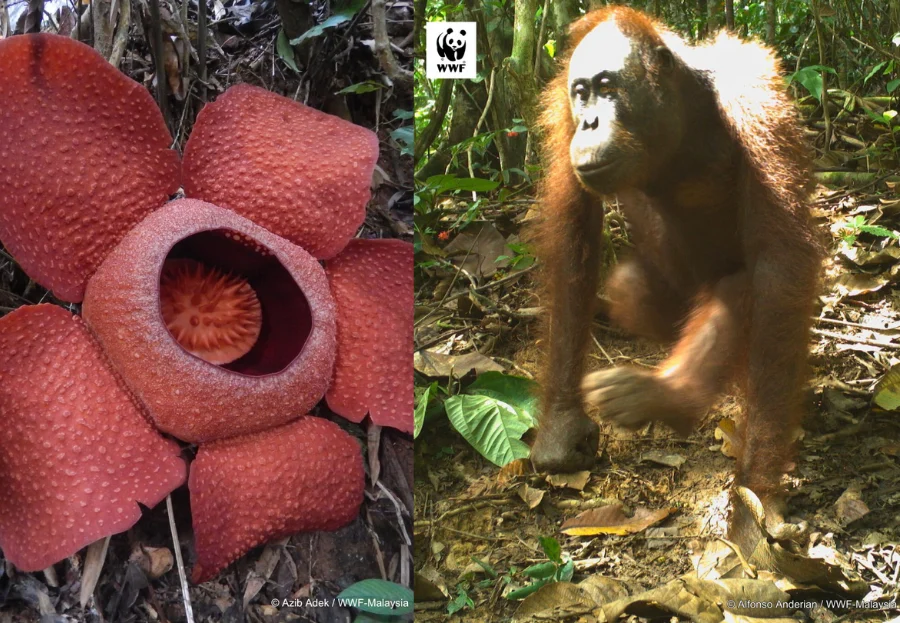
In parts of Sarawak, orangutan populations have shown signs of recovery after years of conservation work, a rare reminder that endangered species can rebound when given enough protection.
Meanwhile indigenous Orang Asli communities continue to play an increasingly important role in conservation efforts. By combining generations of ecological knowledge with modern enforcement, community led patrols have strengthened anti-poaching efforts and helped combat illegal wildlife trafficking.
Solutions Often Start Small
Not every environmental breakthrough comes from government policy or billion ringgit investments. Across Malaysia, communities are finding practical ways to deal with waste, restore damaged ecosystems and rethink how everyday resources are managed.
Island communities have experimented with innovative waste management systems, while local environmental organisations continue working alongside Indigenous communities to restore forests, operate native plant nurseries, and protect biodiversity.
Instead of celebrating only large organisations, initiatives like WWF-Malaysia’s Eco Champion Awards increasingly spotlight students, farmers, volunteers and everyday Malaysians making meaningful contributions to conservation.
Environmental progress isn’t always measured in national policies.Sometimes it’s measured in turtle nests protected, rivers cleaned or another hectare of forest restored.
Sustainability Is Becoming Business
Renewable energy projects continue to grow across Malaysia, while businesses are facing increasing expectations to reduce emissions, improve sustainable sourcing and invest in biodiversity protection. Consumers are asking more questions. Investors are paying closer attention. Sustainability reports have become less of a marketing exercise and more of an expectation.
The transition isn’t happening fast enough to solve every challenge overnight.
But it signals that environmental responsibility is no longer a niche concern, it is steadily becoming part of how organisations define long-term success.
Climate Optimism
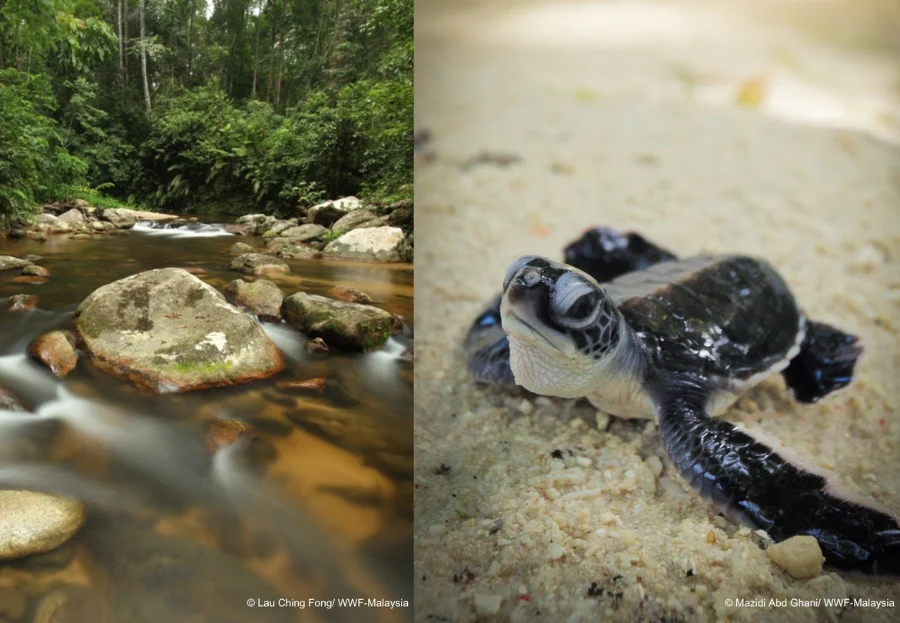
You don’t have to pretend everything is fine or ignore the big problems to be optimistic. Climate optimism means that despite everything, progress deserves attention too.
The environmental crisis remains one of the defining challenges of this generation. But constantly focusing on catastrophe can create another problem altogether: the feeling that nothing we do matters… when reality is more complicated.
Across Malaysia, forests are being restored, wildlife is returning. Communities are protecting coastlines, and species. Scientists are finding smarter ways to repair damaged ecosystems. Young people are building careers around sustainability instead of treating it as an afterthought.
None of these efforts solve climate change on their own, but together, they remind us that environmental action isn’t a future ambition.