

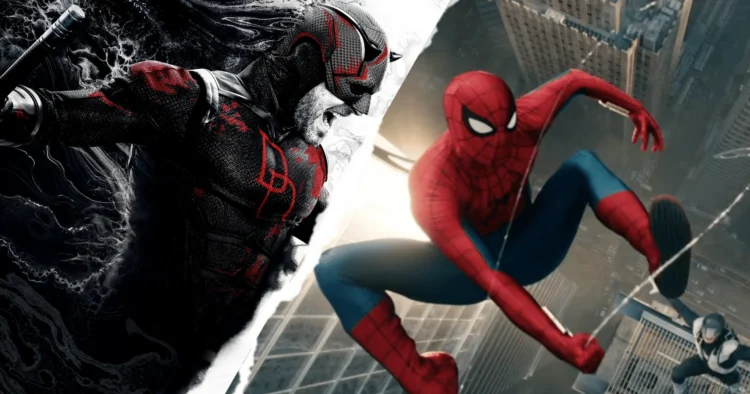
The season finale of “Daredevil: Born Again” has finally arrived, delivering a seismic shift that leaves the future of Hell’s Kitchen unrecognisable. It’s a long-awaited collision between Matt Murdock’s two lives. Meanwhile, the spectre of Wilson Fisk’s total domination looms large.
There is a staggering amount to unpack here. We see everything from the shattering of identities to the haunting birth of a new antagonist. Perhaps most intriguing is the mounting evidence for a tie to an upcoming film. It could be a much larger narrative that we’re looking at.
So, consider this your final warning: major spoilers lie ahead as we break down the biggest reveals from this finale.
Daredevil No More
For a season built on the belief that Matt Murdock could outthink a broken system without sacrificing his soul, the finale lands with brutal clarity: he can’t. More importantly, he chooses not to.
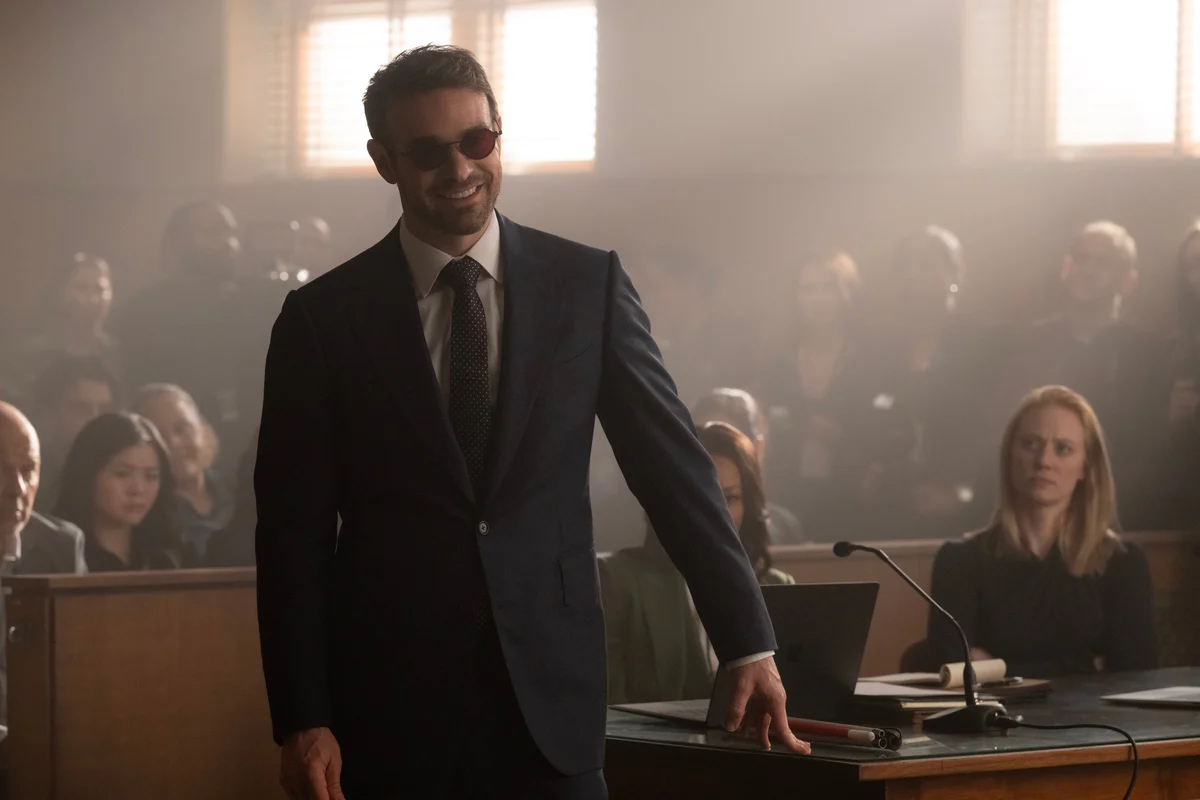
Yes. Matt reveals his identity, proving without fear that he is indeed, The Devil of Hells Kitchen. Matt’s decision to unmask in open court is a shock to the system. For months, Wilson Fisk has thrived within a carefully maintained illusion. To the public, Matt Murdock is the heroic blind lawyer who once saved the Mayor’s life. Daredevil, conversely, is the faceless criminal. He’s the destabilising force Fisk has successfully branded as the face of chaos.
That separation was Fisk’s greatest weapon. It allowed him to weaponise the law while demonising the man who truly defended it.
Matt destroys that duality in a single, surgical moment.
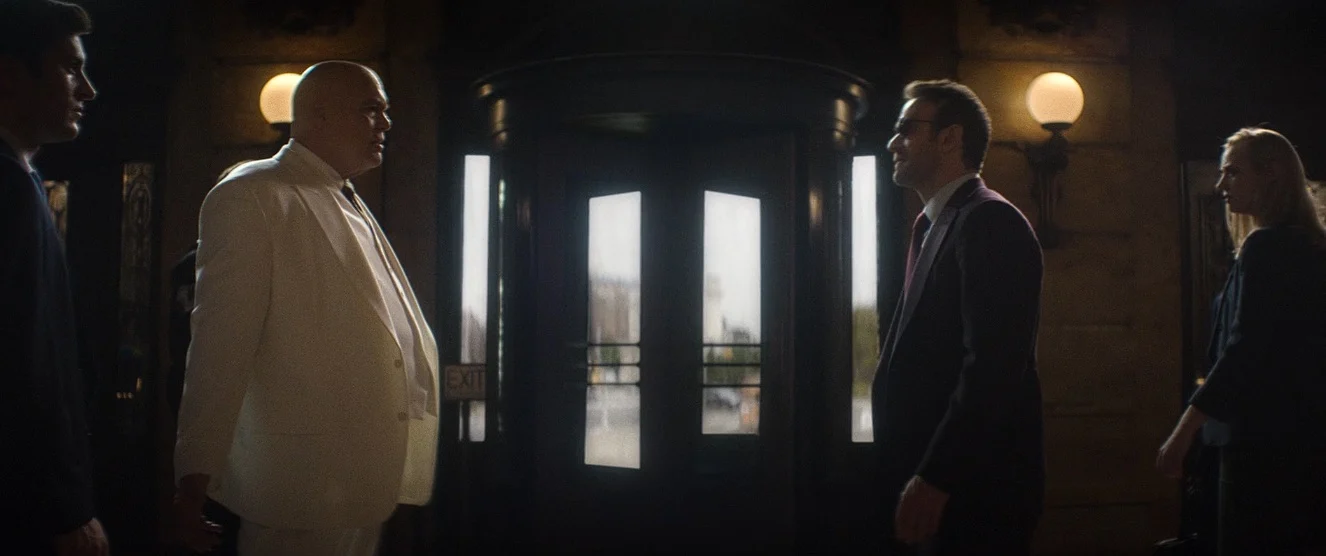
By calling Fisk to the stand, Matt forces their two worlds into a head-on collision. Fisk enters the courtroom flanked by his Anti-Vigilante Task Force, projecting an aura of absolute inevitability. He speaks of institutions as the tallest structures in society, positioning himself as their architect and guardian. But Matt doesn’t meet Fisk with brute force; he dismantles him with the truth.
First, he introduces testimony from the Northern Star, exposing the weapons smuggling operation and Fisk’s direct culpability. Then, he reframes the narrative of Daredevil. He reminds the court that the “vigilante” once took a bullet for the very man now condemning him. And then, he delivers the final, irreversible blow.
Matt Murdock admits he is Daredevil.
It isn’t a confession—it’s a total sacrifice. By collapsing the distinction Fisk depended on, Matt exposes the rot at the heart of the city’s legal framework. But in doing so, he also signs his own warrant. Every rooftop chase, every broken bone, and every night spent outside the law finally rushes into the light of day.
The legal system has no choice but to dismiss the case without prejudice. While Karen Page’s case collapses and Fisk’s narrative fractures, Matt doesn’t walk away with a win. He knows the system he tried to save doesn’t offer forgiveness for those who break its rules, even for the right reasons.
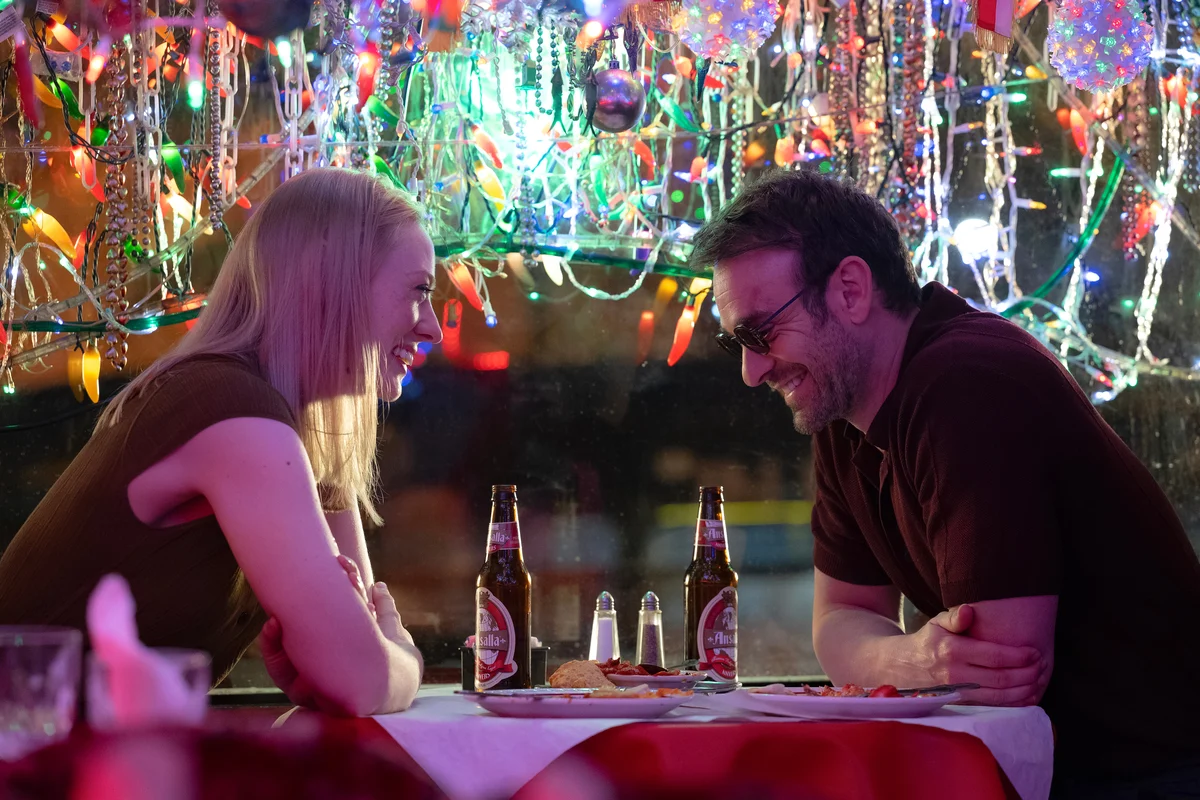
The quiet diner scene at The Painted Rose that follows provides the episode’s most devastating emotional beat. After a season of relentless violence and loss, Matt and Karen finally share a moment that feels human. They talk about a future—a life beyond the mask and the courtroom. It’s a glimpse of the “normal” life Matt has always craved.
Then, the sirens cut through the silence.
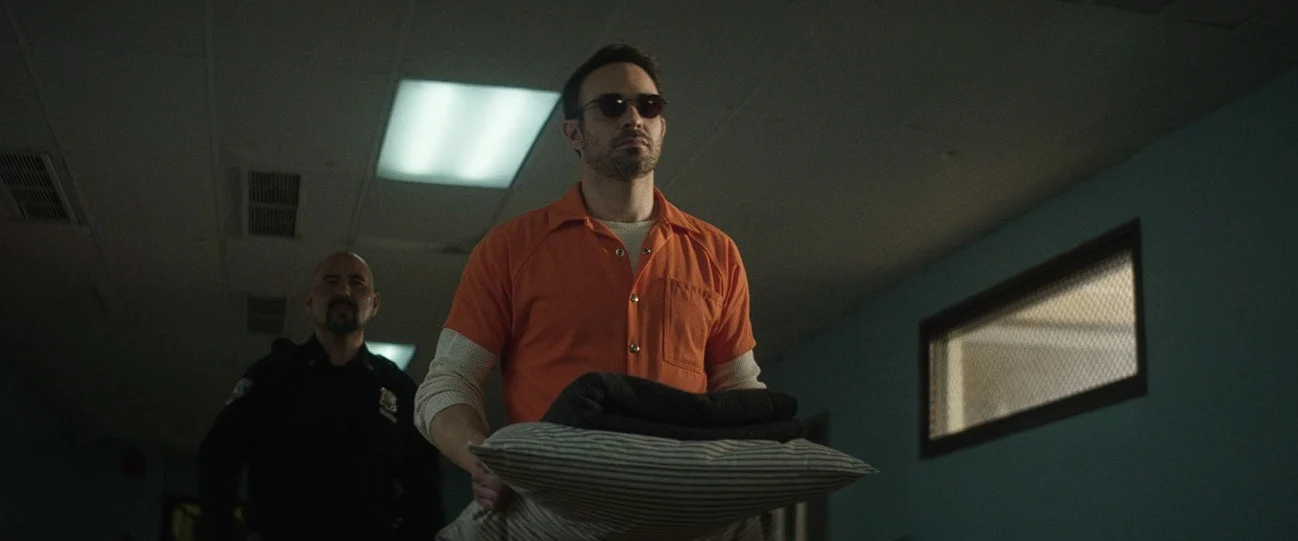
Matt Murdock is arrested, not as a victim of Fisk’s system, but as someone who knowingly broke it.
Besides, considering that his identity has been his precious secret for years on end, having it out in the open now could cause his loved ones to be even more in danger. This has been the case for Spider-Man and heroes whose identities are kept in the dark.
It’s a brutal echo of the comics, where Matt’s time in prison has always forced him to confront the limits of his morality. In comics like “Devil in Cell Block D” and Chip Zdarsky’s recent run, incarceration is part of his journey of reflection. And here, the show leans into that same idea. Matt may have exposed Fisk, but in doing so, he removes himself from the board.
The Kingpin’s Exile
Season 2 of “Daredevil: Born Again” has been Fisk’s story as well. And it’s been the unravelling of his being, of his stance, of his throne.
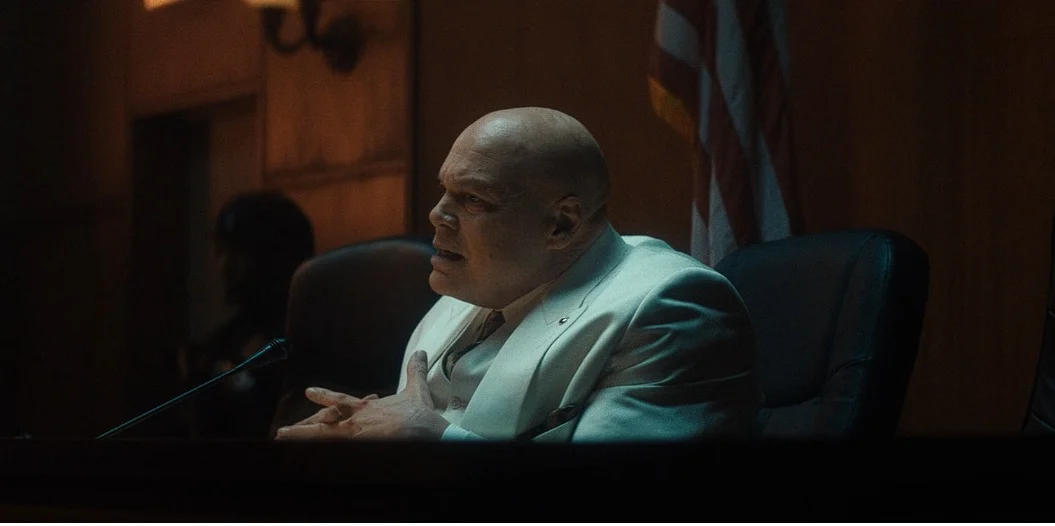
From the moment Vanessa died, Fisk’s strategic brilliance vanished. The careful equilibrium between his public persona and his inner monster collapsed. The Mayor who once obsessed over optics and political leverage reverted into the same wounded child who settles problems with his bare hands. Vanessa was the anchor that tethered him to the illusion of evolution; without her, the mask didn’t just slip—it shattered.
But the finale’s brilliance lies in the fact that Fisk doesn’t just lose because he’s outmatched. He loses because Matt Murdock forces him into a corner where the only way out is to stop breathing or stop fighting.
That courtroom confrontation serves as the culmination of their ideological war. Fisk enters flanked by his Anti-Vigilante Task Force, projecting an aura of absolute state power. Matt, however, weaponizes the one thing Fisk can’t spin: the truth. By exposing the Northern Star operation and revealing his own identity as Daredevil, Matt destroys the separation Fisk used to control the city.
Earlier in the season, Matt proposed the unthinkable: a mutual exit. He suggested that both men remove themselves from New York entirely, acknowledging that their war is a centrifugal force that destroys everything it touches. Foggy Nelson is gone. Vanessa is gone. The “Safer Streets” initiative has turned the city into a war zone. Every time these two men clash, New York bleeds.
In the finale’s closing moments, Fisk finally accepts the deal.
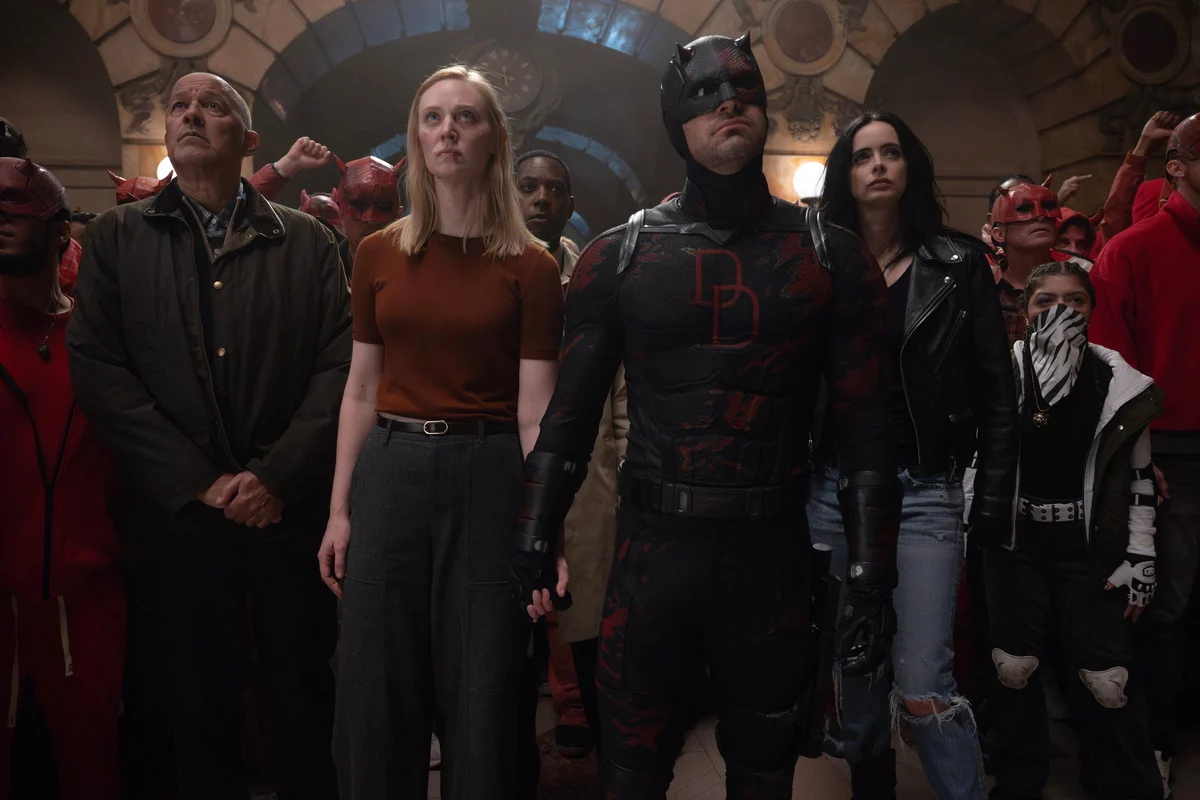
He doesn’t accept it out of a moral epiphany. He accepts it because, for the first time in his life, Wilson Fisk has nothing left to fight for. As he emerges from the courthouse, bloodied and screaming that he “fought for this city,” the imagery tells a different story. The streets are flooded with protesters wearing Daredevil masks. His political allies have vanished. His Task Force is in shambles. The city hasn’t just beaten him; it has rejected him.
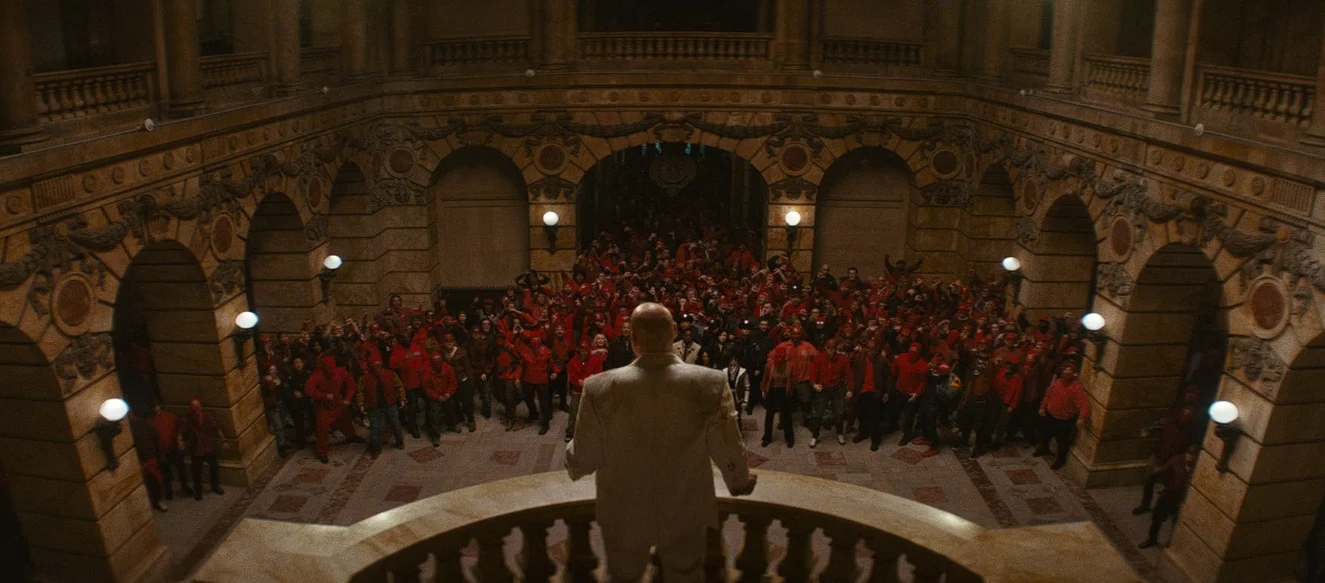
The moment Matt stops the mob from beating Fisk to death is the final rejection of the cycle. Daredevil could let the city have its vengeance, but he refuses. To kill Fisk, or to let him be killed, would give the Kingpin a final victory over Matt’s soul. Instead, Matt offers him the exile they discussed.
So, Fisk leaves.
It is a haunting conclusion. Wilson Fisk finally attains the life Vanessa once dreamed of—a life away from the noise and the struggle for power. But he attains it in total isolation.
The final image of Fisk standing alone on a sun-drenched beach is more chilling than any prison cell. The man who moved mountains to rule a metropolis is now a ghost in paradise, stripped of his office, his influence, and the only person who made the climb worthwhile.

And yet, the story isn’t over for the big man. The knowledge that he’ll return in civilian mode for Season 3 hints at something even more dangerous. Fisk without power is still Fisk. If anything, he acts with even more unpredictability now. No longer bound by office or image, he can rebuild in ways the city won’t see coming.
The New Muse
Heather Glenn has spent the season operating in an unsettling, almost voyeuristic periphery, and the finale finally provides a sickening payoff to her internal “Jason Voorhees” transformation. She is now officially the MCU’s new Muse, but this descent into the macabre is far from a sudden break.
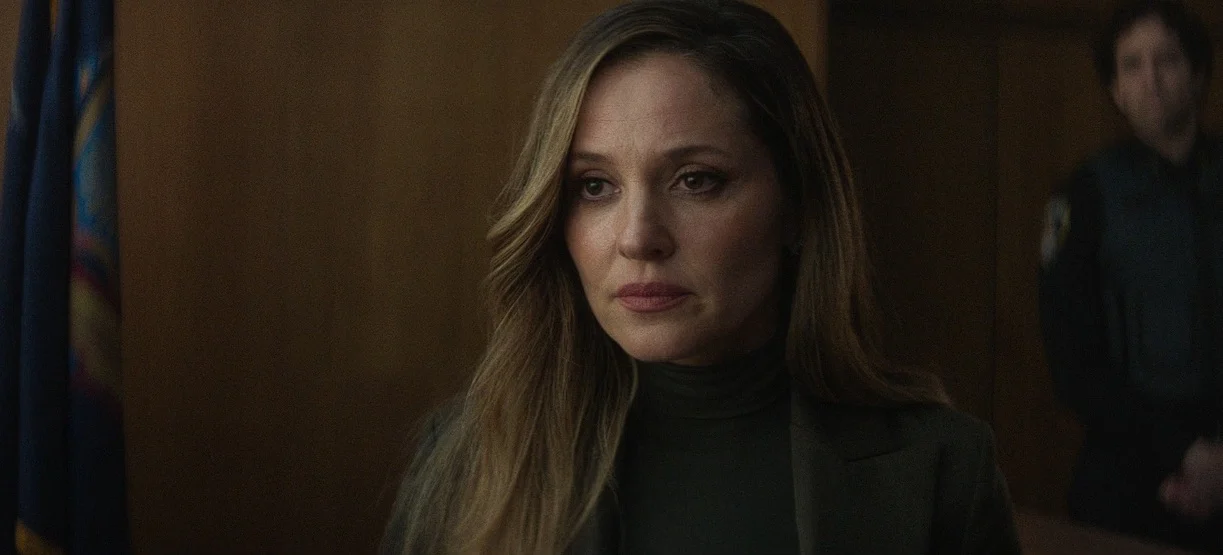
The show has been meticulously stitching this together gradually; from the moment she survived the original attack, it was clear that something fundamental within her had shifted. The trauma rewired her entire psyche, turning a healer into the very architect of the city’s newest nightmare.
As a therapist, Heather was supposed to help people process their pain. Instead, she began internalising it, bending it, using it. She manipulated evaluations such as the one involving Tony Dalton’s Jack Duquesne, justified questionable methods, and slowly blurred the line between understanding darkness and embracing it.
The scene with Buck Cashman in the latter part of the season—where he coaxes her into reenacting the attack—was the tipping point. It forced her to confront the part of herself that didn’t just fear what happened… but responded to it.
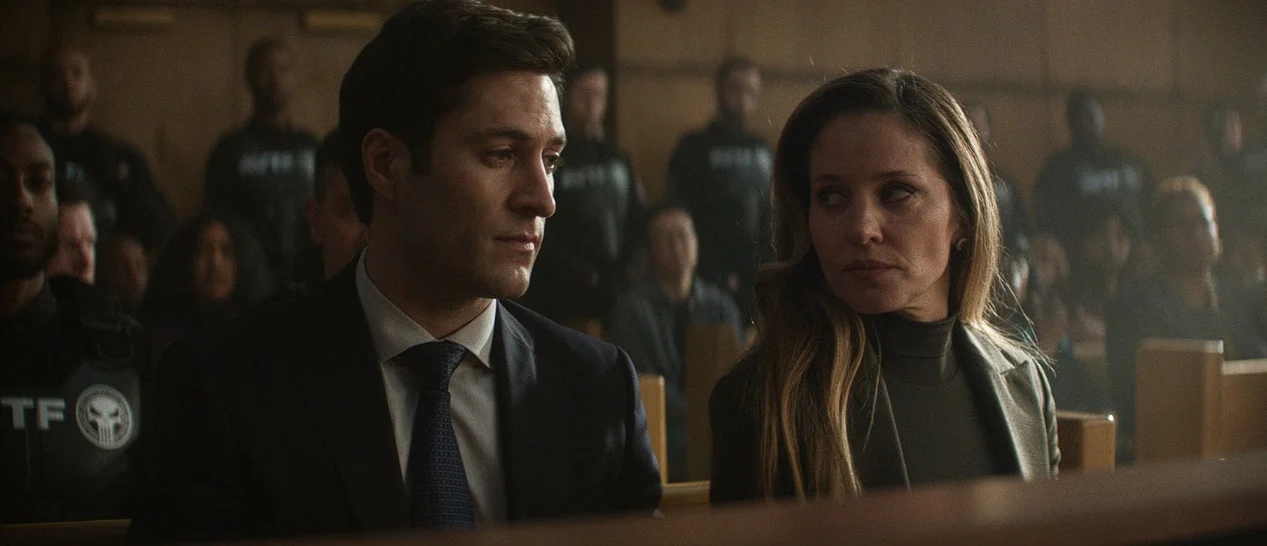
The finale serves as the ultimate catalyst for Heather’s collapse, particularly as the revelation that Matt Murdock and Daredevil are one and the same shatters her remaining stability. When she finally dons the Muse mask, it doesn’t play like a sudden psychotic break; rather, it feels like a grim culmination of a season-long decay. The victim has officially stepped into the role of the architect, designing her own descent into the macabre.
Throughout the season, Heather’s disdain for vigilantes bordered on the pathological, leading her to a state of extreme cognitive dissonance. She had gaslighted herself to the point of total denial, choosing to believe that Daredevil hadn’t actually saved her during the initial attack. By convincing herself that her saviour was just another part of the trauma, she severed her final link to reality.
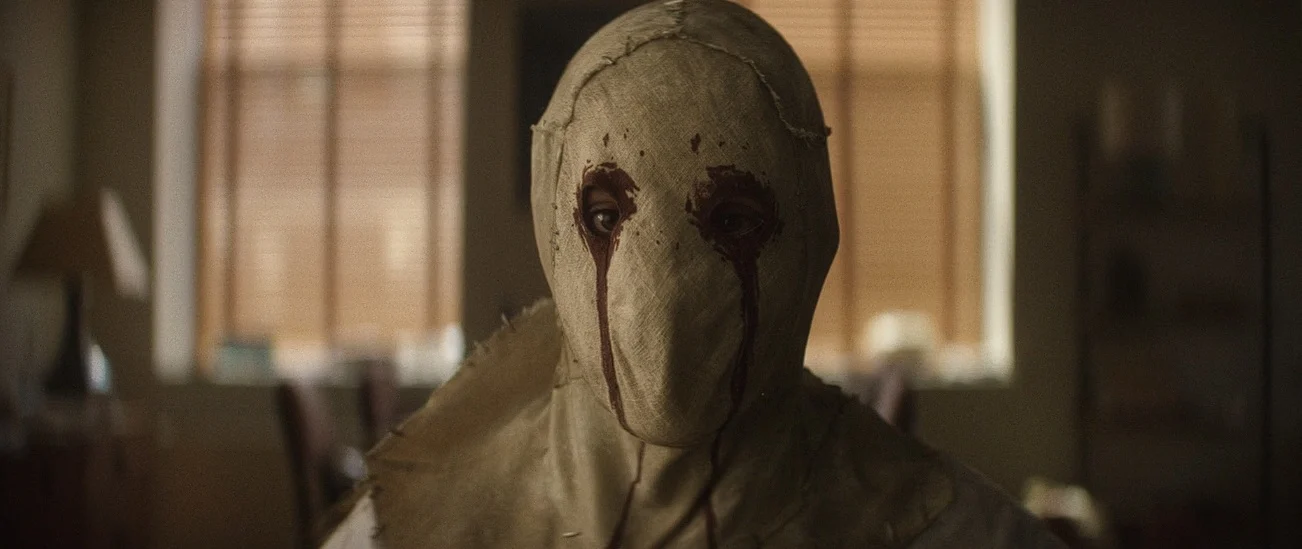
In a series obsessed with the fractured nature of identity, Heather’s transformation stands as the darkest possible mirror to Matt’s journey. While Matt strips away his mask and reveals himself to the world in a desperate pursuit of truth, Heather retreats behind a new, terrifying visage in pursuit of something far more nihilistic. This shift fundamentally reframes the legacy of Muse; what once felt like a contained, external threat has evolved into something intimate, ongoing, and deeply psychological. The monster wasn’t defeated in the past—it simply found a new, more dangerous host.
Defenders, Deploy
Okay, folks, it’s defending time! With the finale reintroducing yet another character from the Netflix era of Marvel shows, it’s high time we got the gang back together.
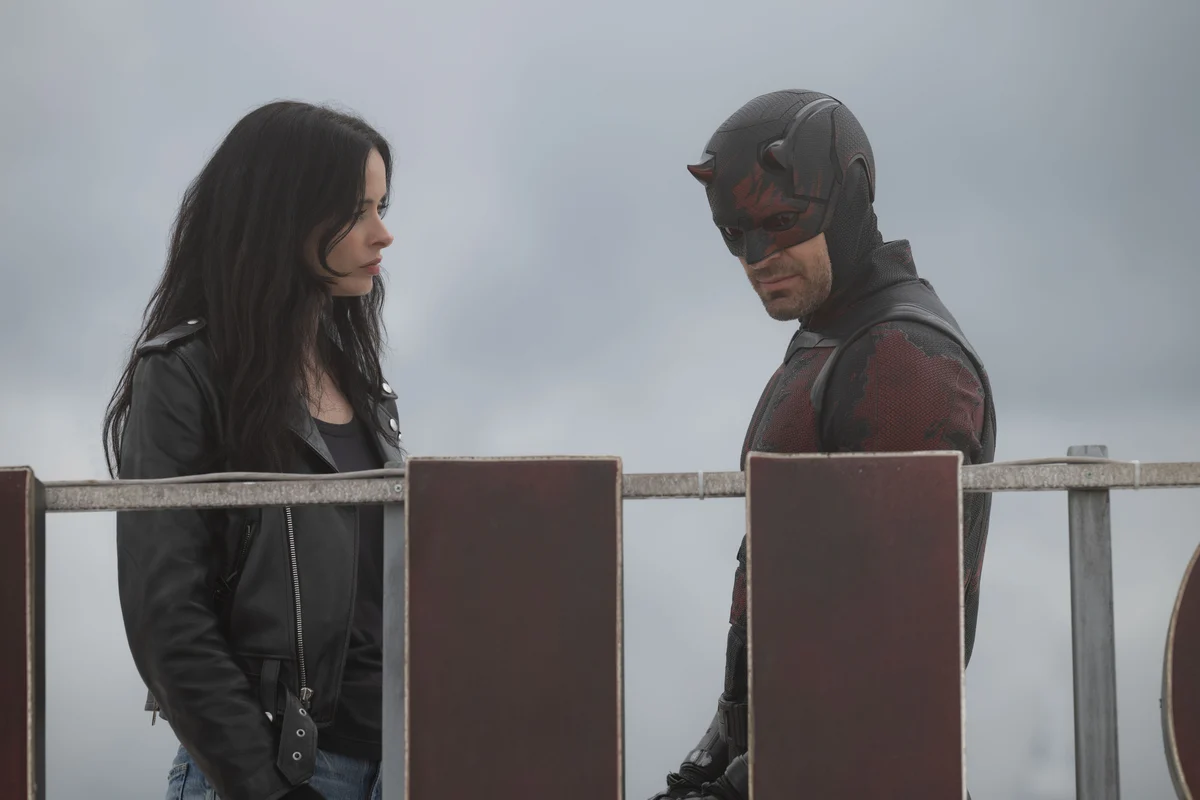
Jessica Jones has already been operating on the edges of this story, pulling threads that connect Fisk to something bigger. The mention of the CIA, of enhanced individuals being monitored and manipulated, has lingered in the background.
And now, Luke Cage – played by none other than Mike Colter – steps back into the picture. Sweet Christmas!
At the end of the series, during the montage showing where everyone is going to end up, Luke makes an appearance again, and we get confirmation that Danielle is indeed his and Jessica’s daughter.
However, his reappearance is shrouded in mystery. We remain largely in the dark regarding Luke’s recent activities, save for a cryptic breadcrumb dropped by Mr Charles in episode 7. His revelation that Luke is “away with the CIA” so Jessica doesn’t have to be suggests a heavy personal sacrifice.
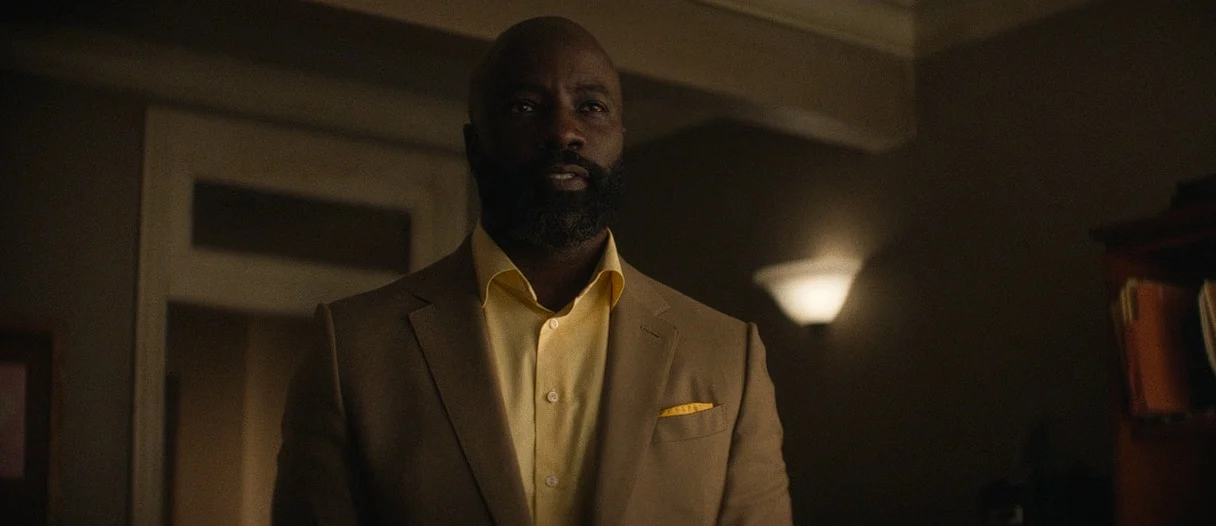
This connection raises alarming questions: given that Valentina Allegra de Fontaine currently pulls the strings at the CIA. It’s a chilling prospect to imagine Luke performing shadow operations for Val, potentially operating in the same morally grey corridors as Yelena Belova, Ghost, or U.S. Agent. Furthermore, this development leaves us wondering how Luke transitioned from his role as the “King of Harlem” to a government asset. Is he a willing collaborator, or was he serving time in a different kind of cage?
There’s still one piece missing from the Defenders. Of course. Iron Fist’s absence is noticeable, especially with the knowledge that he’s set to return for Season 3. And if Danny Rand is coming back, the question naturally extends to Colleen Wing, who now carries the power of the Fist herself. It’s not a full reunion yet. But fingers crossed, we’ll get there.
Bullseye’s New Deeds
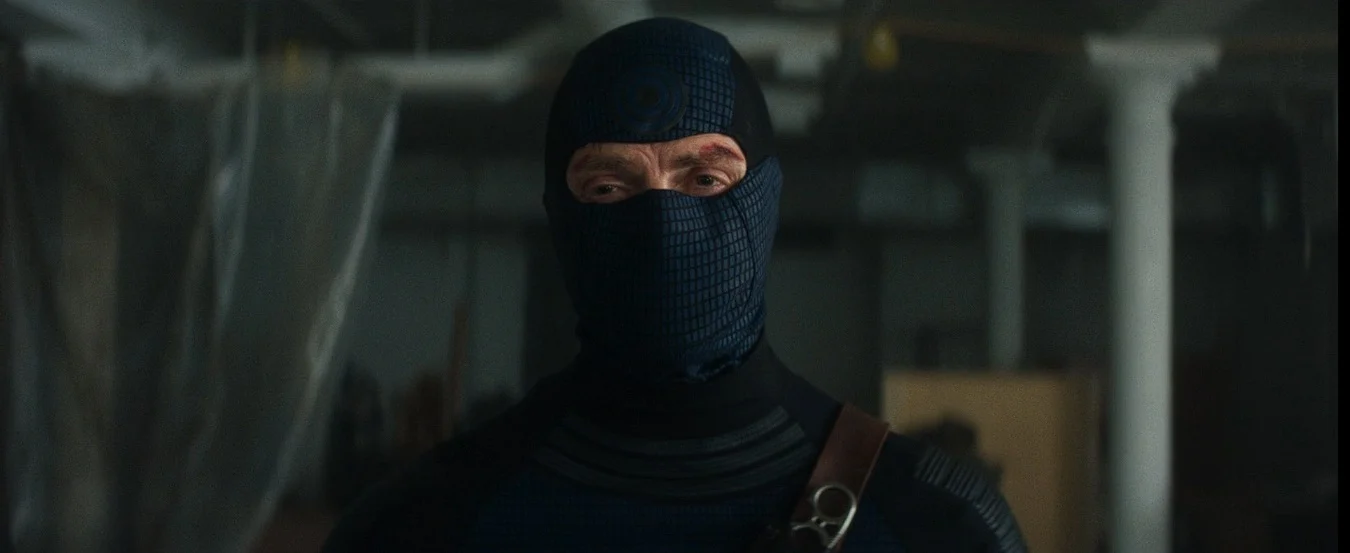
Throughout the season, Benjamin Poindexter has occupied a volatile limbo. He is no longer the precision tool Wilson Fisk once aimed at his enemies, yet he remains far from redeemed. The finale finally severs the leash. When Matt frees him earlier in the episode, it is a desperate act of faith. Matt doesn’t absolve Poindexter because he has earned it. He does it because Matt needs to believe that even the most broken souls can choose a better path.
When Poindexter arrives at the courthouse, it initially feels like an inevitable relapse. Fisk’s forces are already prepared to weaponise his presence, planting seeds to frame him if the situation demands it. This is the inherent tragedy of Poindexter. Even when his finger isn’t on the trigger, the world tries to turn him into a smoking gun. This time, however, he disrupts it. The shot that echoes through the hall doesn’t find Daredevil or Karen—it finds Buck Cashman, Fisk’s most loyal enforcer.
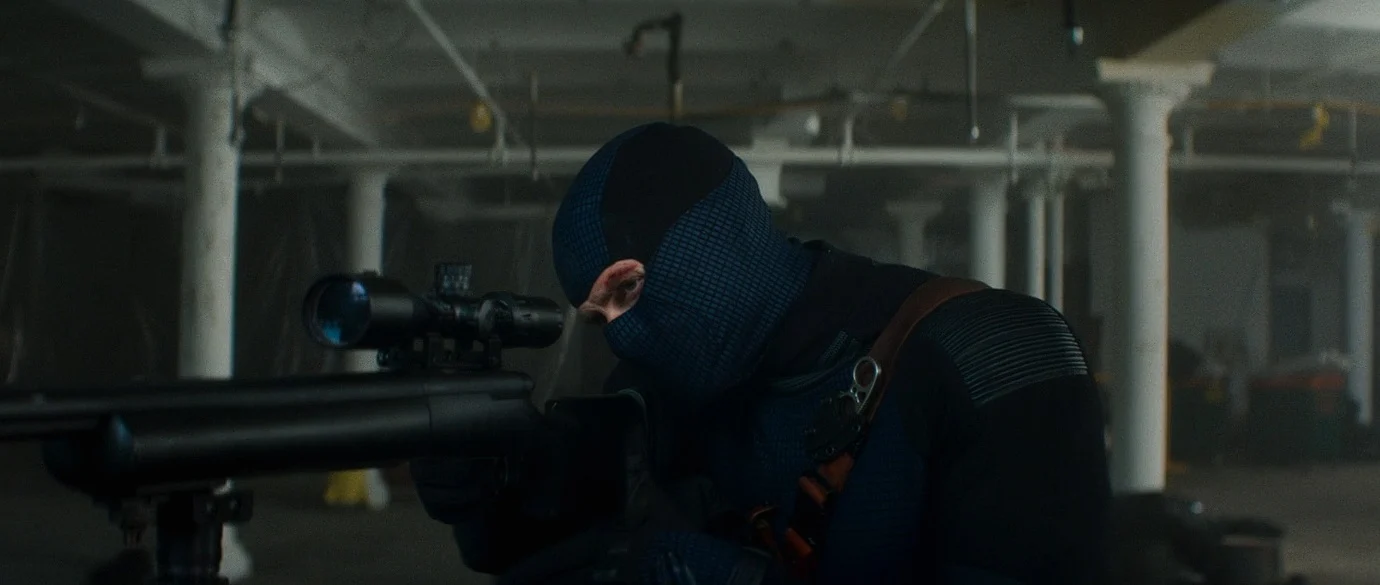
That single bullet throws Fisk’s entire endgame into a tailspin. In a finale built on control—legal, political, and physical—Poindexter becomes the one variable no one can calculate. Not Fisk, not Matt, and certainly not the system.
The show wisely resists giving Poindexter a clean, redemptive arc; to do so would betray the character. This isn’t a man on a journey toward the light. This is a man trying to balance an internal scale that will never sit level. Earlier this season, he spoke of “one good deed” to offset his past. Saving the Governor. Executing Cashman. These aren’t acts of heroism—they are cold transactions in a mind that views morality as simple arithmetic.
The problem is, the math never adds up.

You cannot “offset” the death of Foggy Nelson. Deep down, Poindexter knows this. It’s why his actions feel less like a path forward and more like a series of erratic impulses that occasionally happen to land on the “right” side of the ledger.
So, where does this leave him for Season 3? After all, Fisk has fallen from power. Matt is behind bars.
The finale’s closing moments offer a quiet, chilling reveal: Poindexter is sitting beside Mr Charles on a plane. And apparently, he took the role that Luke Cage had been occupying prior. So, does this mean he’s a Thunderbolt? A Dark Avenger? Valentina has him now, and whether he will be using his talents for good or evil, for this whole operation, is up in the air.
Is Spider-Man Going to Meet Daredevil Again?
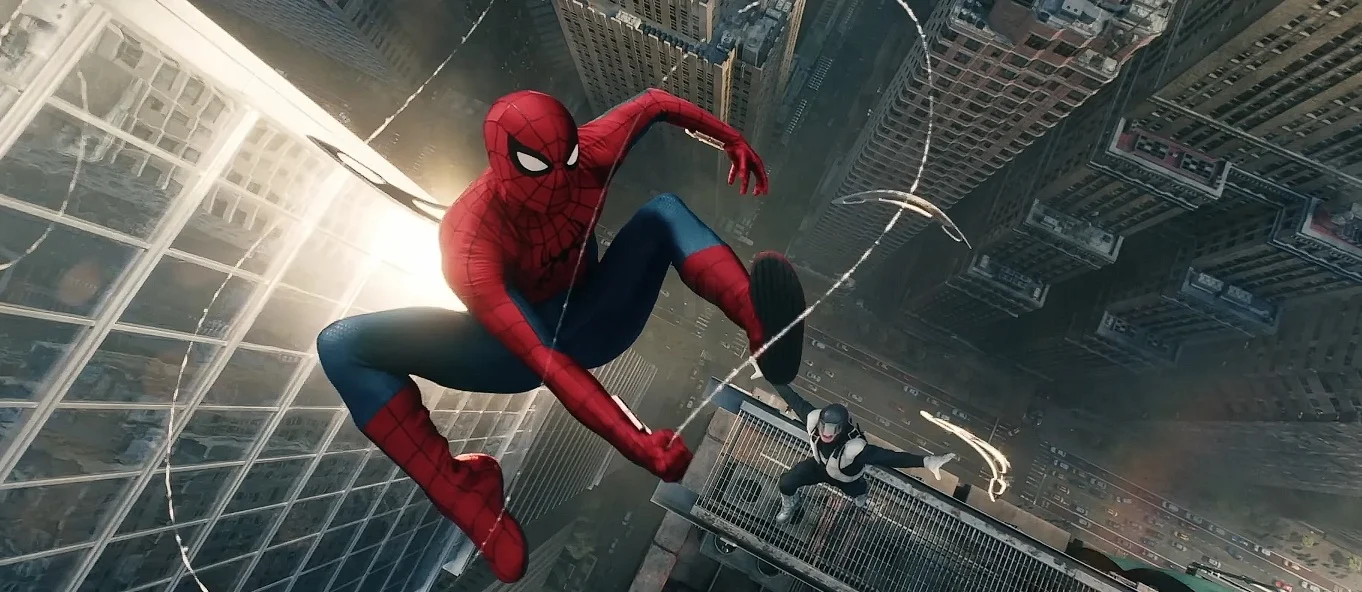
The most conspicuous void in this urban battlefield is the absence of a certain red-and-blue wall-crawler. As Daredevil wages a desperate war against Fisk and the very streets of Manhattan tear themselves apart, one has to wonder: where is Peter Parker? As J. Jonah Jameson would inevitably quip, is he off somewhere “photographing squirrels?”
While the real-world explanations usually boil down to complex rights issues, the in-universe implications are far more tantalising. If the Friendly Neighbourhood hero isn’t on the front lines of a city-wide riot, what exactly is keeping him so dangerously occupied? But that’s another question altogether…
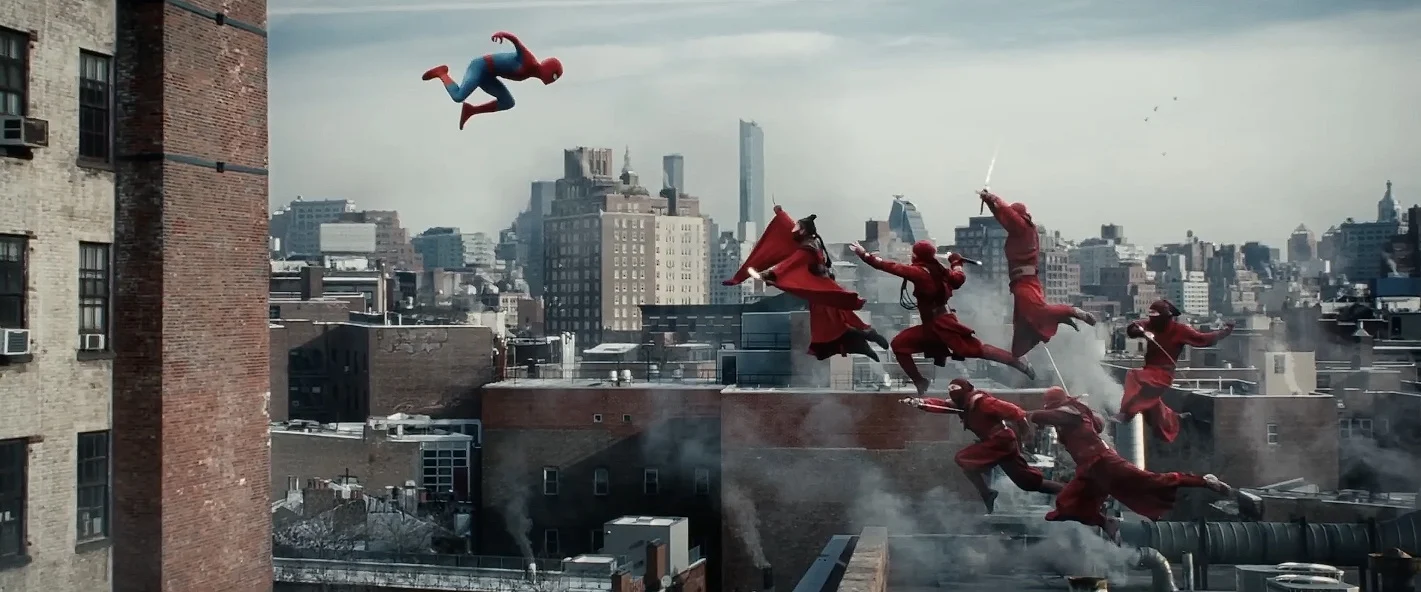
However, a potential tie to the Man Without Fear lies in the footage from “Spider-Man: Brand New Day” trailer, which places Peter in a high-security prison setting, battling the Hand—a mystical ninja order deeply woven into Daredevil’s history. This connection flings the door wide open for a grander narrative collision. If the Hand is resurfacing and we also have “Daredevil” adjacent figures like the Punisher already in the mix, the walls between these street-level stories are beginning to crumble.
Besides, it’s also been confirmed that Shiela Riviera, Fisk’s aide, will be taking over as Mayor of New York by the time “Spider-Man: Brand New Day” comes around. And that moment is also in the trailer where we see her giving Spider-Man the key to the city. So, the administration has definitely overturned its tune with regards to vigilantes, individuals who under Fisk’s rule, were menaces to the public.
Also, are we seeing this? The prison where Matt is being held is quite possibly the same prison where Mac Gargan, aka The Scorpion, is/was being held. Could they run into each other?
So, is Spider-Man there to break Matt out of prison? Are we getting a Spider-Man and Daredevil team-up in this next film? After all, Matt did help Peter out with his own legal troubles at one point, so it’ll be nice if he repays the favour.
The possibilities are tantalising, but we’re sure they’ll play their cards as close to the chest as possible. They’ve got a lot of surprises in store for that movie, such as the identity of Sadie Sink’s character. So, we’re certain they will leave a reveal like that for the actual film. Still, it’s fun to speculate.
Will There Be a “Daredevil: Born Again” Season 3?
The short answer is a definitive yes.
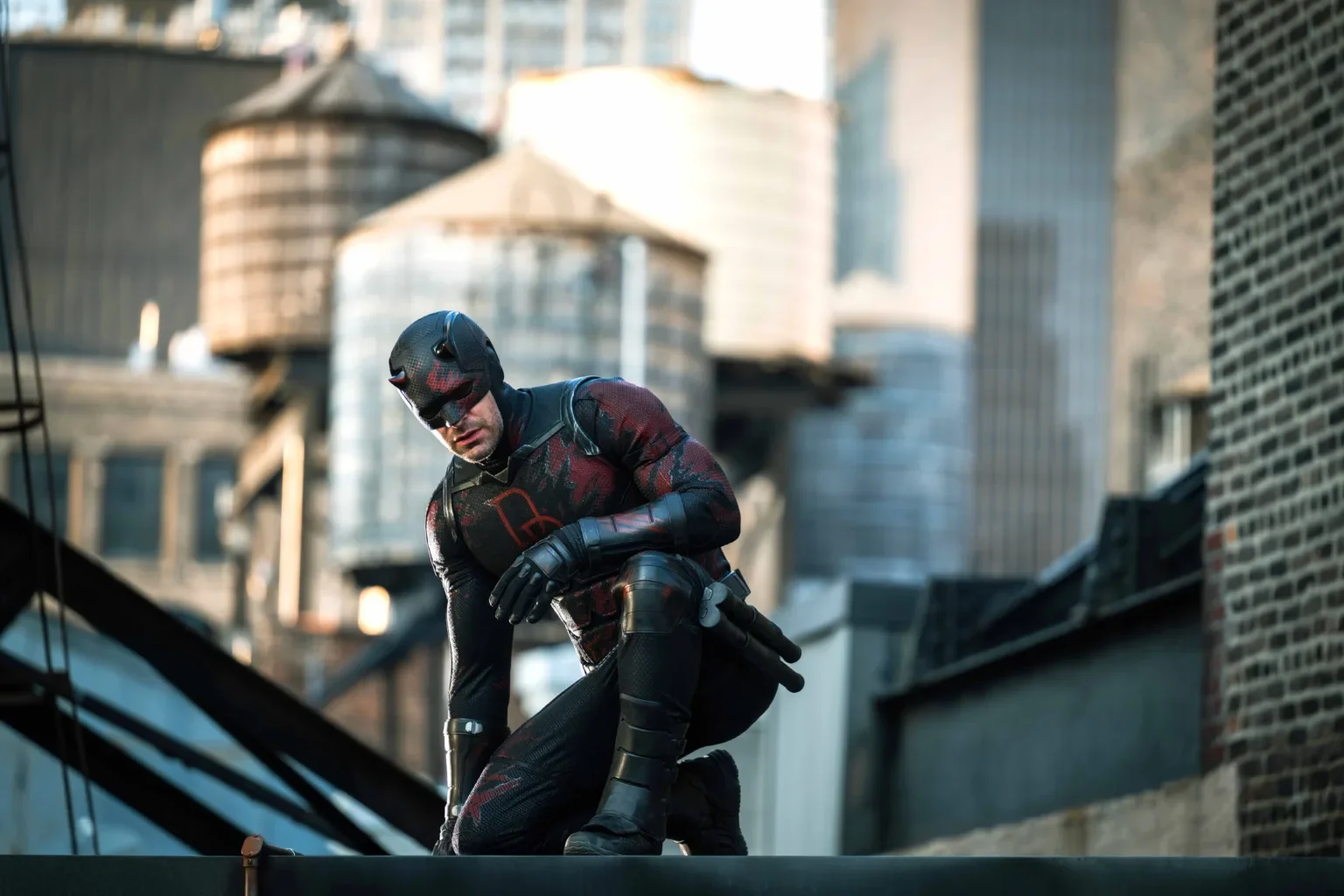
Production is already in full swing, and the narrative groundwork laid by this finale ensures that the story is far from reaching its conclusion. The finale has completely reset the board: Matt Murdock sits behind bars, Wilson Fisk languishes in a lonely exile, and Heather Glenn has emerged as a psychological nightmare.
The most electrifying takeaway for the upcoming season is the undeniable assembly of the Defenders. The streets of New York are calling once again. The team is clearly gearing up for a high-stakes reunion. Given the show’s established production cycle, a 2027 release window seems the most probable target.
The series will likely maintain its current cadence moving forward. If it does, we can expect a premiere within the first or second quarter of that year. This new chapter will pick up the pieces of a city that has been fundamentally changed forever.