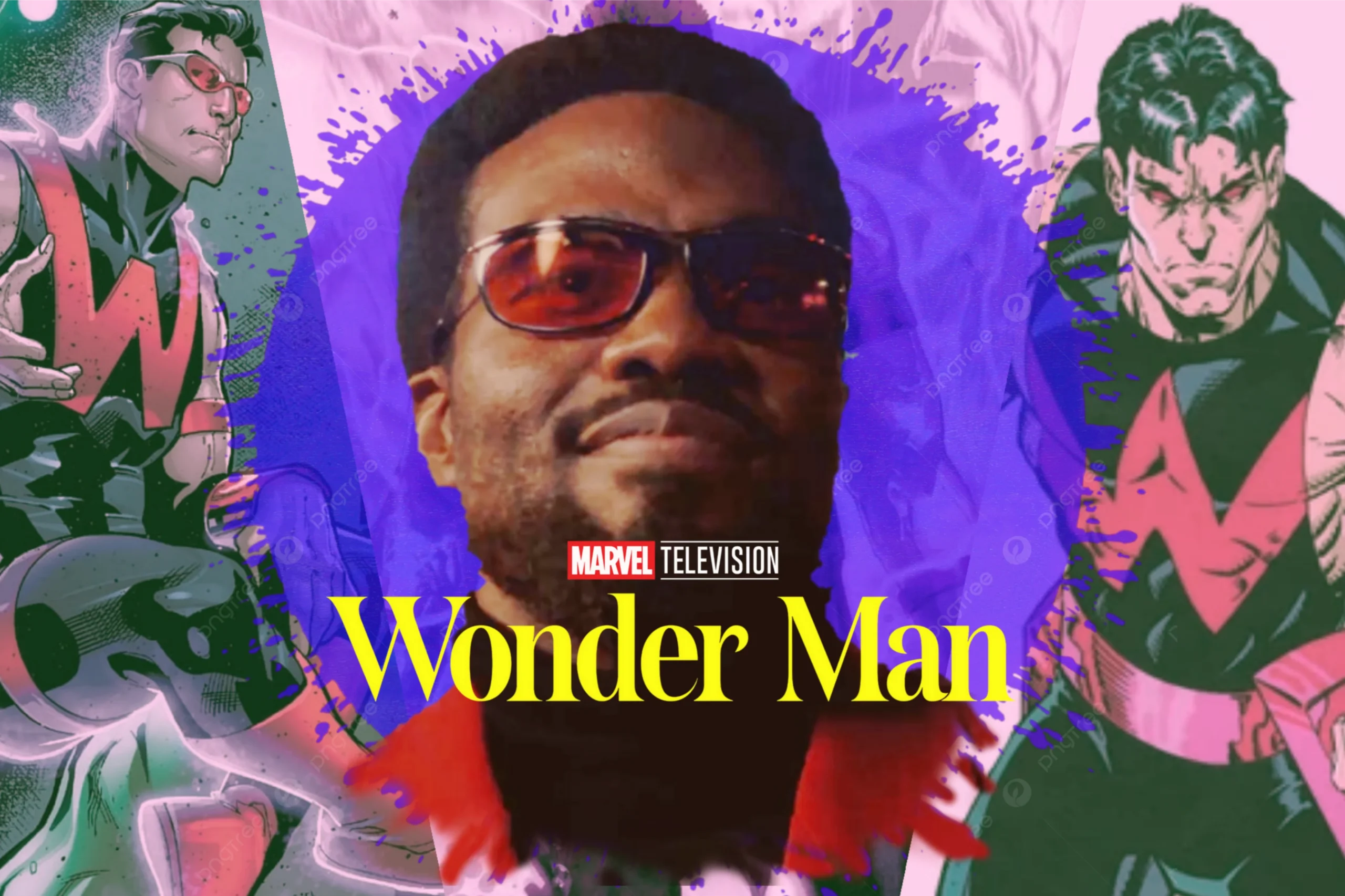
If a man keeps wondering about his career, his relevance, and his place in the universe… is he legally required to become Wonder Man?
That question feels like the unofficial thesis of “Wonder Man”, Marvel Television’s upcoming Disney+ series. What’s that? Well, it’s a superhero story that swaps world-ending stakes for pain-staking auditions, ego bruises, and industry anxiety. This isn’t about punching the alien next to you. It’s about chasing the blinding lights and hoping someone, somewhere, takes you seriously.
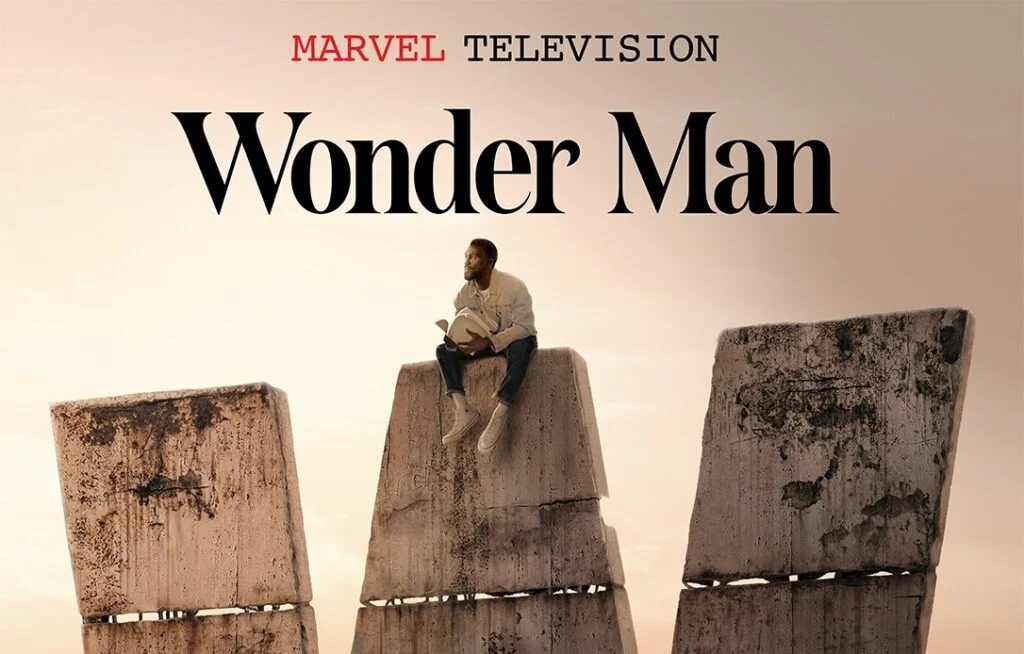
At the center of it all is Simon Williams: a man with superpowers who doesn’t want to save the world so much as book a role. Preferably one that proves he’s more than a punchline, more than a costume, more than another disposable Marvel asset.
So yes, if you’re wondering who the heck Wonder Man is, you’re in luck. Is he a gender swapped Wonder Woman? Is he the Weeknd? Ahead of its Disney+ debut, here are ten things worth knowing about Simon Williams, his strange comic-book history, and why this might be Marvel’s most interesting experiment yet.
1. Wonder Man’s Comic History Predates Even Ghost Rider, Iron Fist, and Black Panther
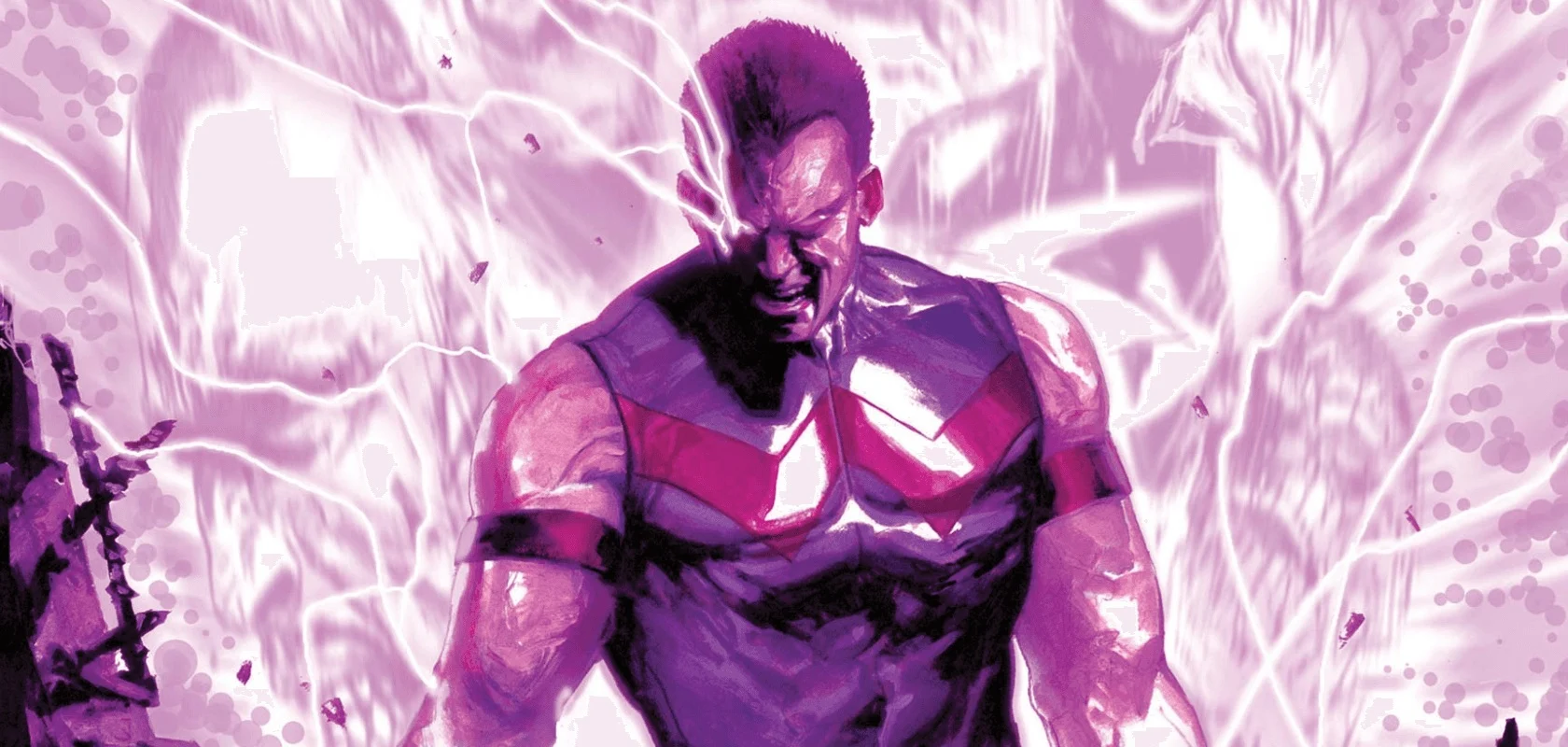
Simon Williams debuted all the way back in 1964, predating even some of the more recognizable heroes like Black Panther and Ghost Rider. But his first appearance did not really frame him as a hero. Rather, he was supposed to be a foil for the Avengers, a pawn to Baron Zemo.
The son of a wealthy industrialist, Simon inherited his family’s company only to watch it crumble in the shadow of Tony Stark and Stark Industries. Ah Stark. How many villains are you going to create?
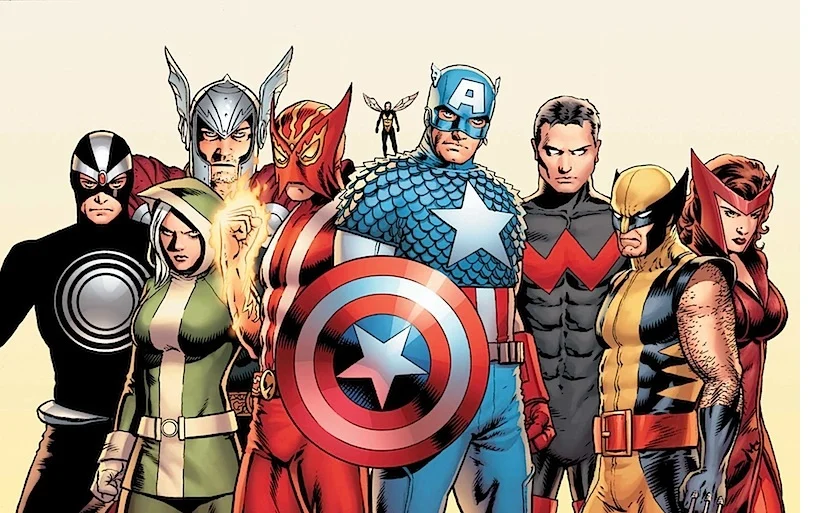
Desperate, resentful, and freshly incarcerated after a failed embezzlement attempt, Simon accepted Baron Zemo’s offer: freedom in exchange for becoming a living weapon.
So, he was transformed into an ion-powered superhuman by Zemo and the Enchantress. Simon was rechristened ‘Wonder Man’ and sent straight into the Avengers’ ranks, with a kill switch attached. Zemo claimed Simon would need regular doses of a life-sustaining serum, ensuring his loyalty.
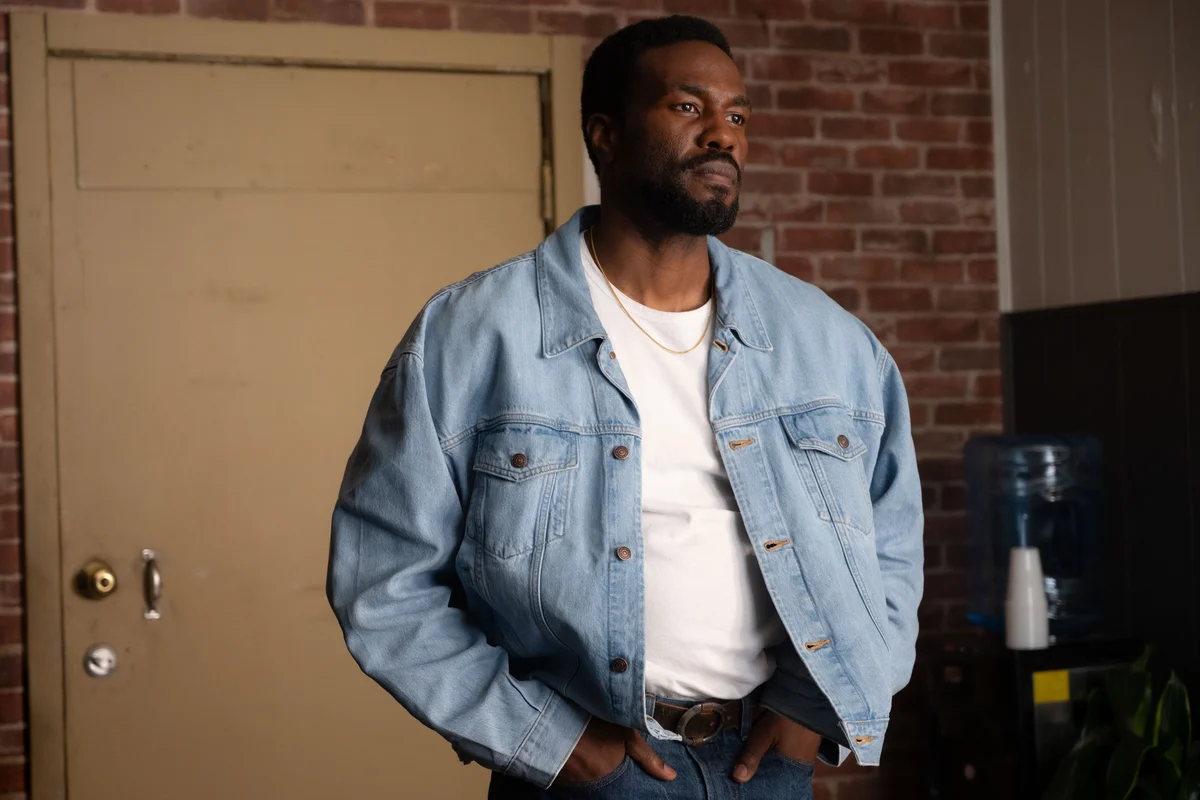
But when the moment came, Simon couldn’t go through with it. He turned on Zemo, saved the Avengers, and seemingly died in the process. Although, in classic Marvel fashion, “death” turned out to be more of a temporary inconvenience.
2. Marvel Television’s Wonder Man Might Be Marvel’s Most Meta Experiment Yet
Superhero fatigue has been a talking point for years, probably even a decade, now. After all, capes have just been strewn across the screen. Stakes reset. And sometimes, it’s a repeat of that status quo again and again. It’s a familiar debate, one that’s dominated pop culture discourse for the better part of a decade.
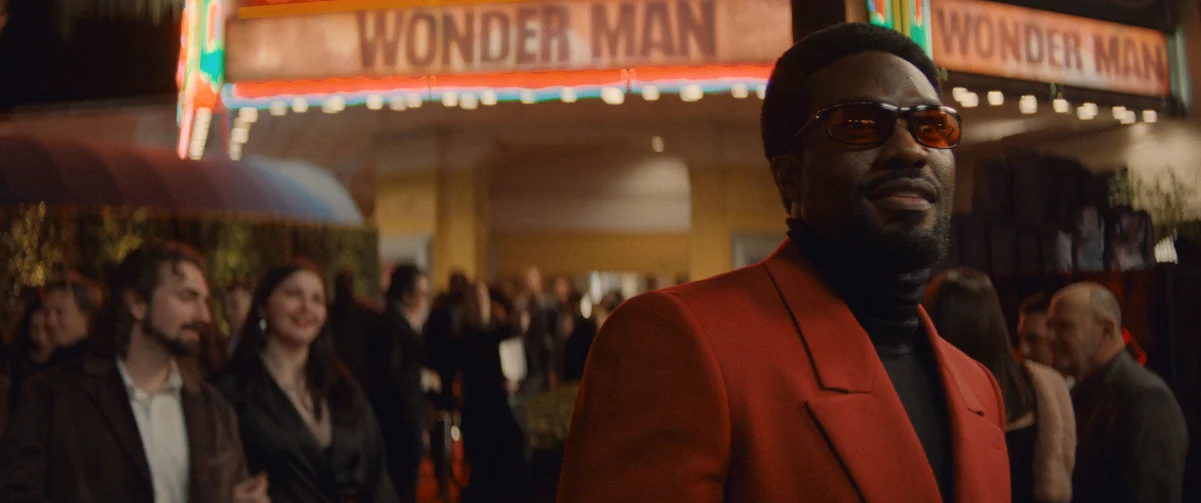
Some studios have tackled it in their own narratives. For example, Prime Video’s “The Boys” filters superhero excess through political satire and cynicism. And even that universe has its own tie-in media within its own universe.
“Wonder Man” follows suit but this time. And it’s really cool that the MCU, which has been the main subject of this scrutiny is actually bringing that fatigue to the forefront, placing it directly into the story.
One of the series’ plot points revolves around a film-within-a-show, with legendary (and fictional) filmmaker Von Kovak emerging from retirement to reboot the 80s classic ‘Wonder Man’ itself. In the first official trailer, he bluntly declares, “Everyone is tired of superheroes. There is an opportunity to reimagine a whole genre of storytelling.”
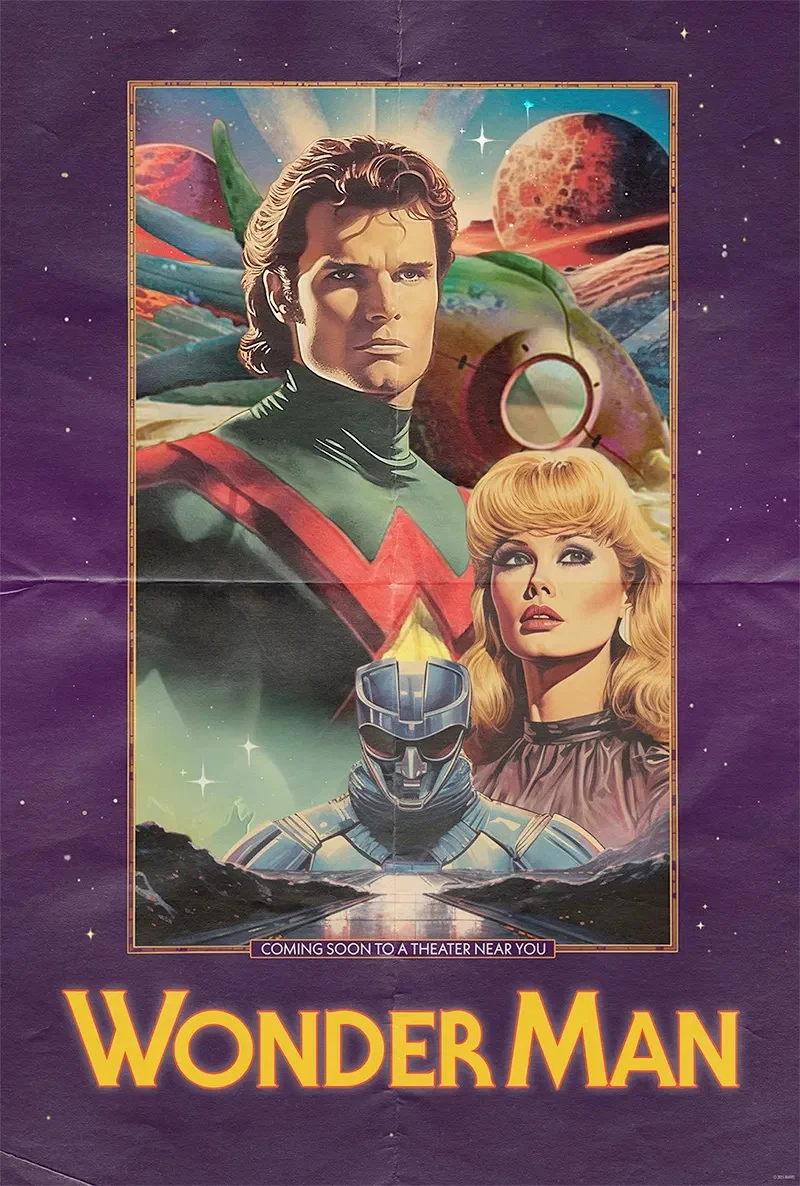
This very line shows that Marvel’s going to play on this self-diagnosis and isn’t afraid to address pop-culture grievances like these. Therein lies its thesis. Wonder Man isn’t pretending the problem doesn’t exist. It’s building an entire MCU series around it, turning Marvel’s biggest criticism into the show’s central joke and narrative engine.
3. He’s Not Even Interested in Being a Superhero
Unlike most MCU entries, “Wonder Man” isn’t about saving the world. Instead, it’s about landing a role. Simon Williams is auditioning to star in an in-universe “Wonder Man” reboot.
According to the show’s creators, Simon doesn’t care much about power, fame, or heroics. He just wants to be taken seriously as an actor, casually name-dropping Daniel Day-Lewis as his gold standard. It’s a high aspiration, and probably going to be ridiculous to see how it plays out. But that’s precisely the point. The show treats Simon’s artistic ambition with a straight face, even as it invites us to laugh at it. Because what if he starts channeling Abraham Lincoln halfway?
We will be following Simon through auditions, callbacks, and rehearsals, while charting his unlikely friendship with Trevor Slattery. We see his process, his insecurity, and his desire to dig deep into character motivation, all against the absurd backdrop of a world where superheroes are real, famous, and increasingly inconvenient.
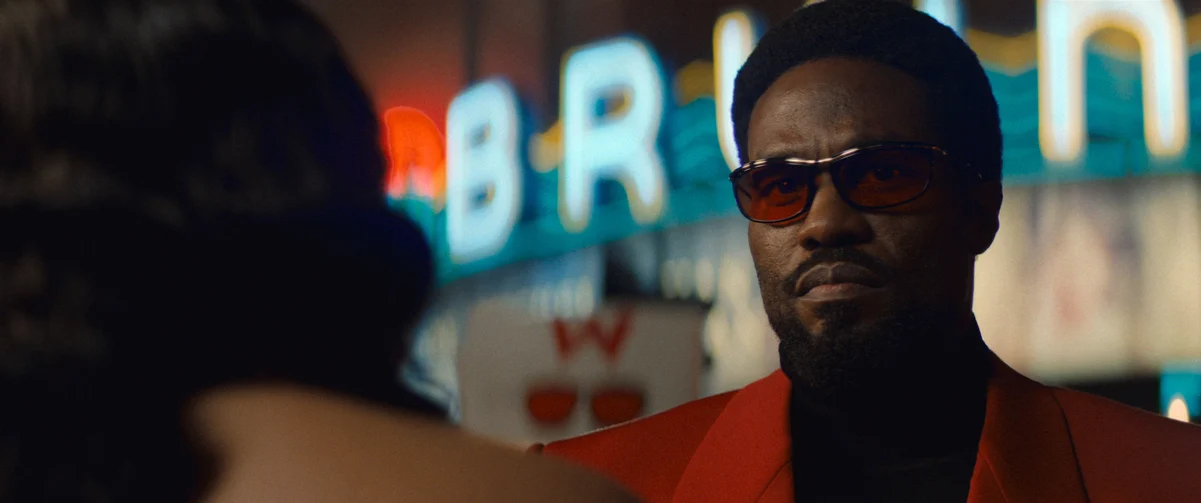
Yes, Simon has powers. But to him, they’re secondary, sometimes even a hindrance, to what he actually wants. “Wonder Man” frames his journey not as a quest to become a better hero, but as an attempt to reconcile who he is with who he wants to be, and to learn that strength doesn’t always look like superhuman force.
And while at it, he’ll probably channel The Weeknd and become that Starboy. The resemblance is simply uncanny.
4. Simon Williams Has Technically Appeared in the MCU Before — We Just Didn’t See Him
Yeah, John Cena was playing him. No, we’re joking and this is not a dig at Mr. John Cena. His later collaborations with James Gunn are beloved, and this predates all of that anyway.
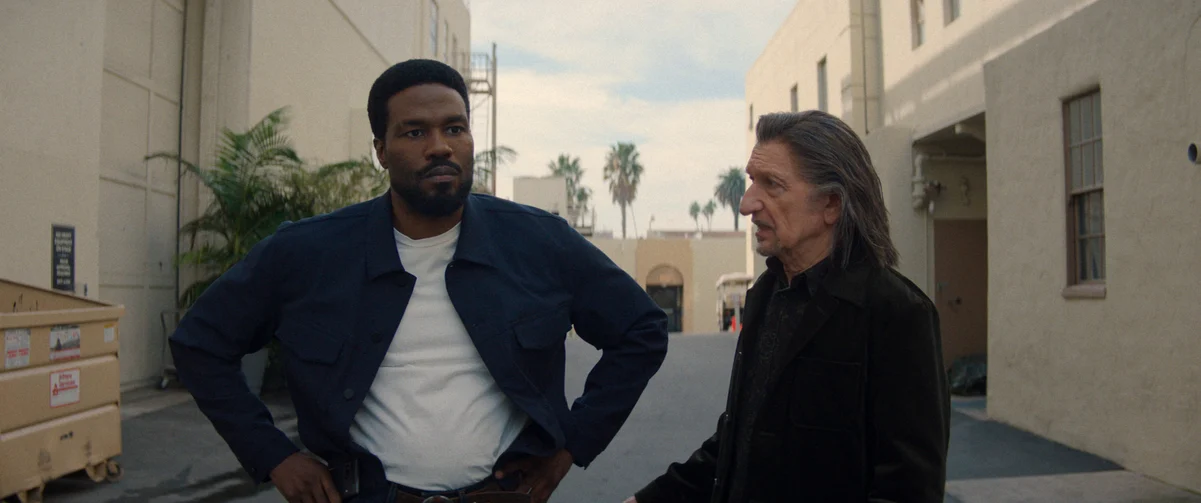
So, back in “Guardians of the Galaxy Vol. 2”, Simon Williams was meant to get a subtle MCU nod. While the moment never made it into the final cut, Wonder Man as a character did exist on set. As a matter of fact, Simon’s face appeared on movie posters scattered across the Earth scenes.
And whose face was it? It was (drum roll) Nathan Fillion’s!

Fillion wasn’t going to be playing Simon in the traditional sense, based on what we know. There was no dialogue, no scene, no introduction. It was just his likeness quietly establishing that Wonder Man was already a famous actor in the MCU. The idea never appeared in the final cut, but the implication remains one of Marvel’s strangest almost-canon easter eggs.
And in true Marvel fashion, the universe corrected itself. Nathan Fillion eventually showed up properly as one of the guards in “Guardians of the Galaxy Vol. 3″. So, balance… we guess.
4. Comic-Book Wonder Man Is Canonically One of the Strongest Avengers Ever
Powered by ionic energy, Simon Williams has gone toe-to-toe with Thor, Hulk, and just about anyone else Marvel could throw at him, even if his power set has always been wildly inconsistent, depending on the era.
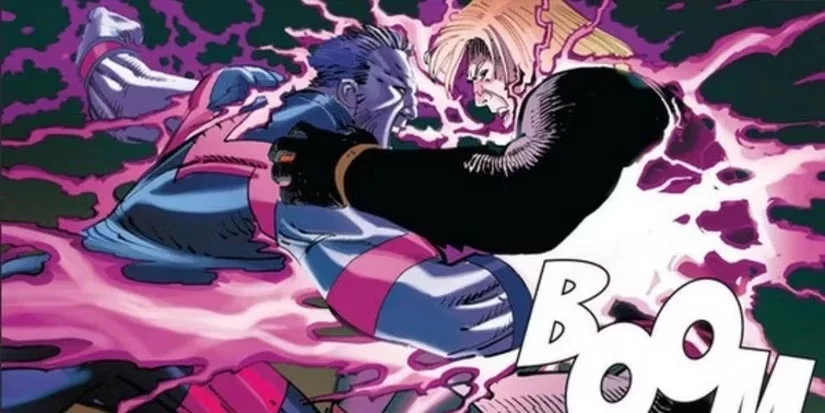
In the comics, Wonder Man isn’t just strong. He’s absurdly powerful. With Ionic energy granting him superhuman strength, near-invulnerability, massive energy absorption, and, in certain runs, the ability to fly. He also doesn’t age normally and can’t die of natural causes, making him effectively immortal.
The MCU version probably will move some pieces around and it appears that they will scale that down, at least for now. Yet the unpredictability of his powerset remains. And we can some moments in the promotional material where he’s got enhanced strength, possibly some ionic energy glows, and we also see some of the aftermath of his actions, or accidents. Indeed, his powers would probably be far beyond what he fully understands or can control. But he’s not interested in that as he’d much rather they be kept hidden.
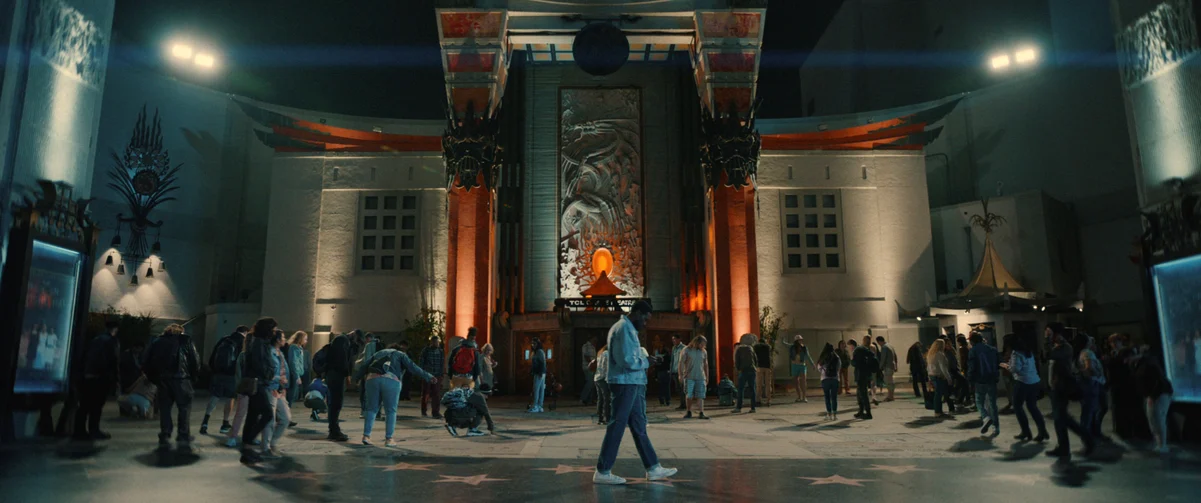
5. Wonder Man’s Brain Helped Create Comic Vision (Yes, Really)
In one of Marvel Comics’ strangest, and most unexpectedly emotional, pieces of lore, Simon Williams’ brain patterns were used in the creation of Vision. In a very real sense, Wonder Man helped give life to one of Marvel’s most beloved Avengers.
Those brain patterns didn’t just provide Vision with a functional mind; they also carried traces of Simon’s personality and emotional imprints. In the comics, Simon harbored romantic feelings for Wanda Maximoff, and that emotional echo is often cited as one of the reasons Vision forms such a deep bond with her.
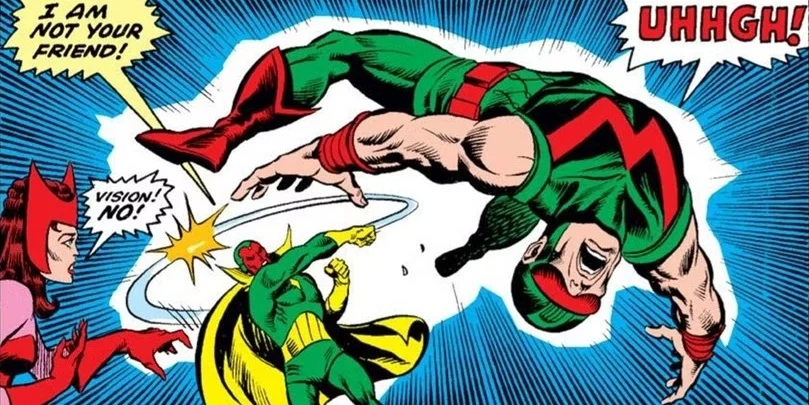
So yes, the concept of “WandaVision” has roots that run far deeper into Marvel Comics history than most people realize and they trace back to Wonder Man.
Imagine if Wonder Man and Wanda actually did end up together though? Would their ship name be WandaWonder?
6. All Hail the King
You’ll never see him coming. But this time, we’ll see him coming to do what he does best.
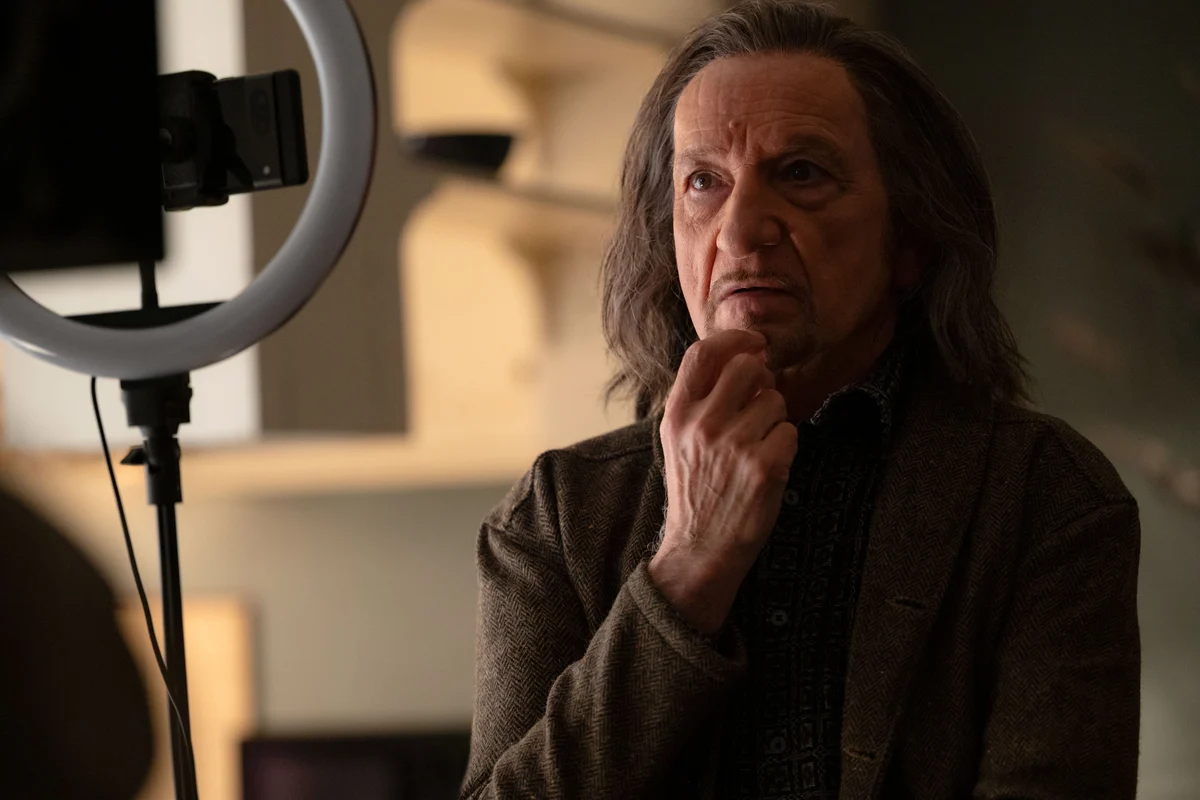
A little flattery from Trevor Slattery goes a long way. And yes, “Wonder Man” fully leans into Ben Kingsley’s chaos, blurring the line between actor, character, and professional menace.
There’s something quietly hilarious about the fact that Trevor Slattery has now been in the MCU longer than Tony Stark. Once introduced as a terrifying anarchist, Trevor has since evolved into an inmate, a mythologized punchline, and somehow hilariously became one of the key figures in “Shang-Chi and the Legend of the Ten Rings”. What an IMDB profile.
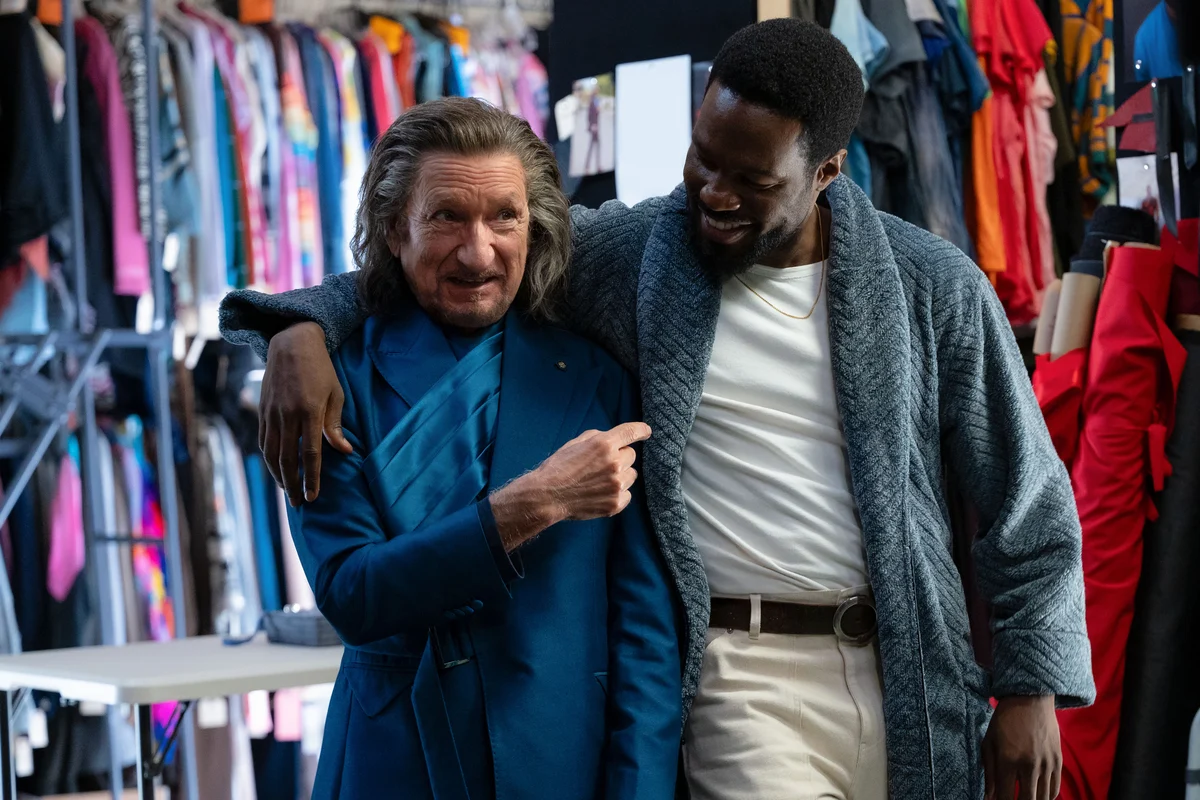
Of course, with “Shang-Chi” director, Destin Daniel Cretton involved, it’s no surprise that Marvel is once again folding one of its longest-running jokes back into the narrative. Trevor’s presence in “Wonder Man” doesn’t just add comic relief. It’s meant to mentor Simon with regards to his performance, identity, and the perhaps to become the person he was always meant to be.
7. Simon Williams Has Died (and Come Back) More Times Than You Think
Death has never been much of a deterrent for Wonder Man. Between resurrections, energy forms, and comic-book loopholes, staying dead has never really been his thing.
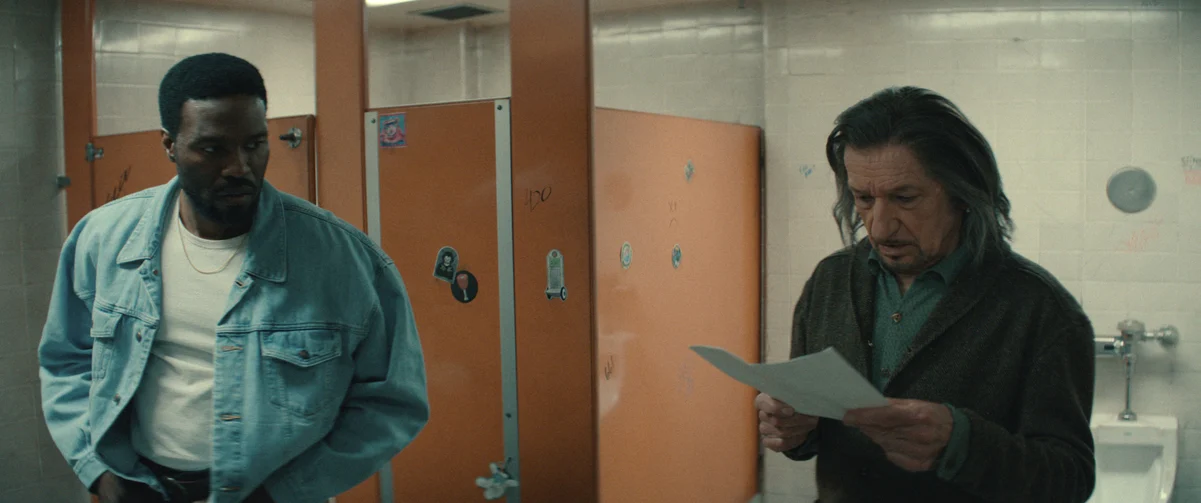
In fact, Simon Williams might be the only character on this list who died in his very first appearance. When he debuted in “Avengers #9”, Simon was secretly working for the Masters of Evil, kept alive only because they needed him. He ultimately turned on them, sacrificing himself to save the Avengers, setting that pattern for his career.
A decade later, he was revived, developed a crippling fear of death… and then promptly died again during the “Korvac Saga”. That fear resurfaced when he reluctantly agreed to die once more alongside his teammates to save the Avengers in “West Coast Avengers Annual #2”.
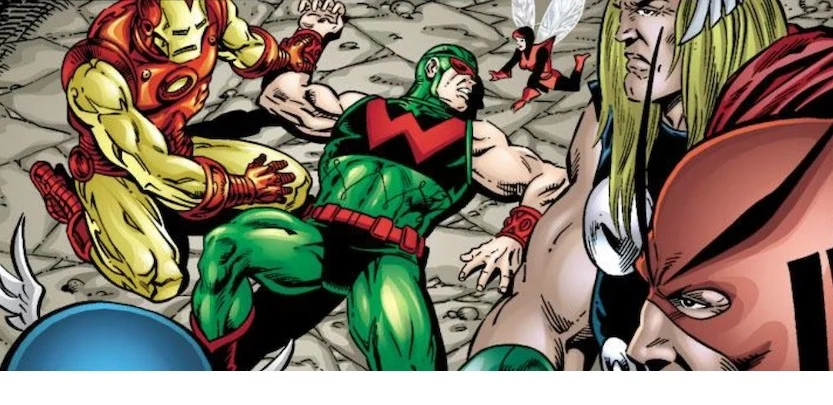
Things didn’t get simpler from there. His solo series suggested he might actually be incapable of dying, only for him to immediately perish again in “Force Works”. Scarlet Witch brought him back during the Kurt Busiek and George Pérez “Avengers” run. And then he seemingly died again before being resurrected permanently a few issues later.
It might look laughable on paper, but we feel sad for Simon as he was later killed again in “Uncanny Avengers” when Rogue absorbed him entirely, only for his “soul” to be released while she kept his powers.
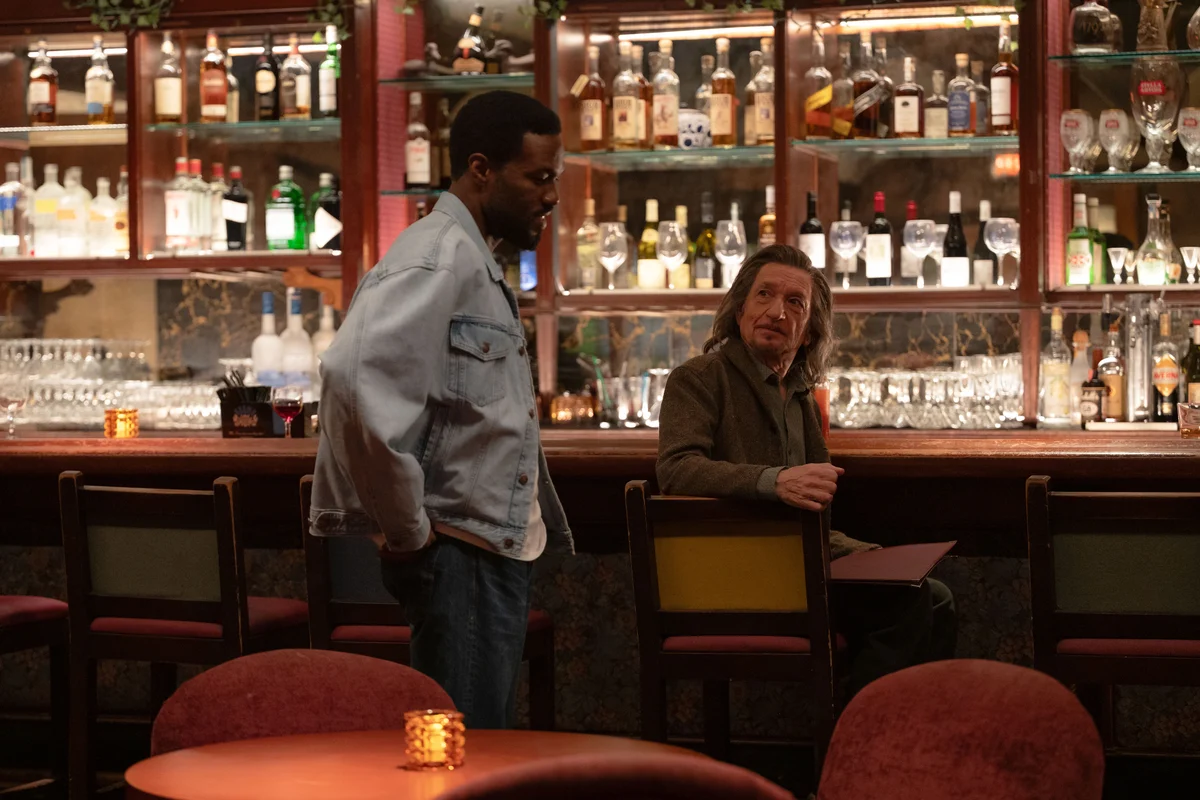
All of which is to say: if you’re made of ionic energy, the grim reaper has to beg for your soul instead. And death just becomes a part of your cycle.
8. The MCU Has Quietly Banned Superpowered People from Hollywood
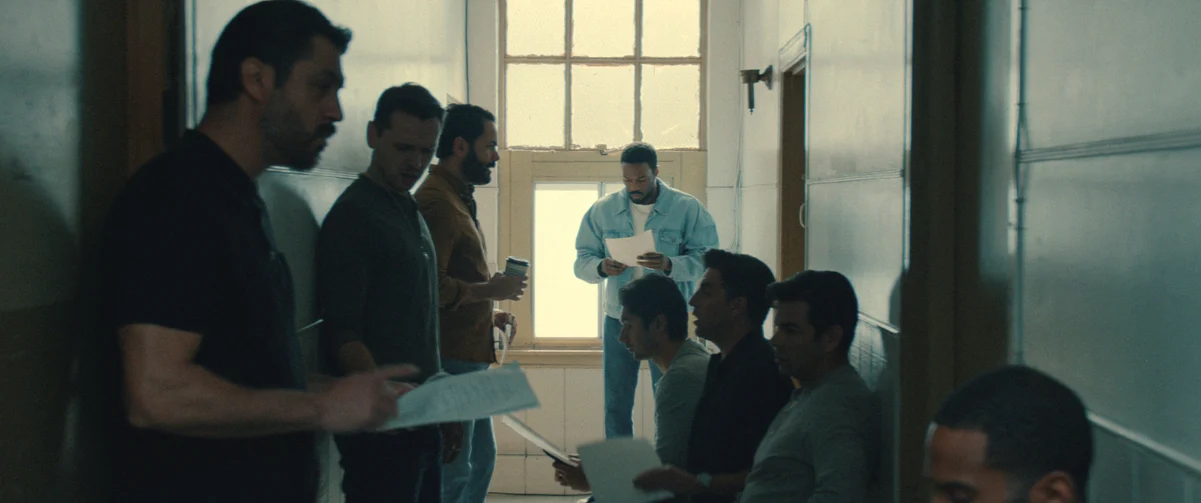
“Wonder Man” introduces the “Doorman Clause,” a fictional policy that outright bans superpowered individuals from working as actors. According to Marvel’s in-universe promotional materials, performers must now certify that they possess no superpowers before stepping on set. It’s a rule plastered across mock magazine covers declaring, “Hollywood Bans All Superpowers.”
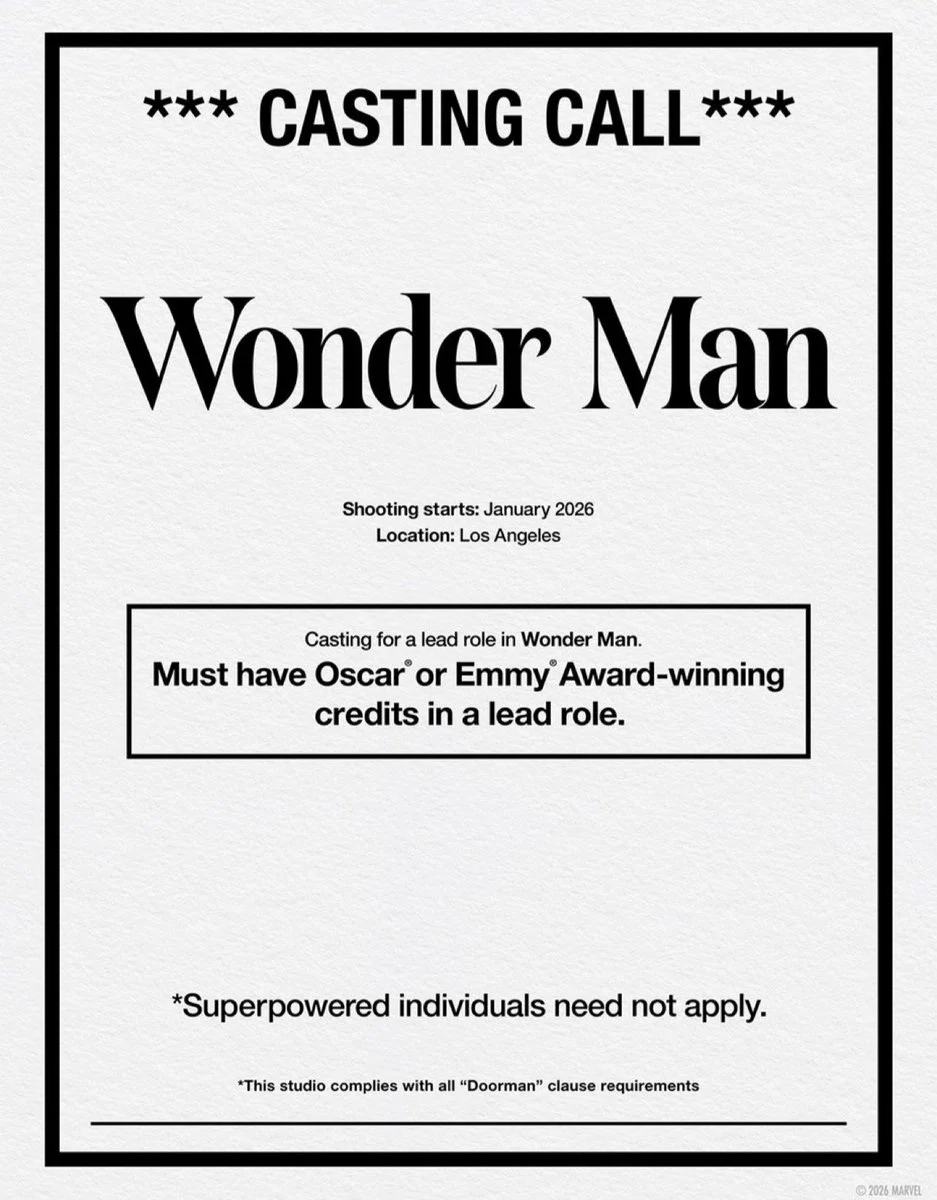
Unlike the Sokovia Accords, which regulated enhanced individuals and restricted where vigilantes could operate, the Doorman Clause is far blunter. So, at this point, it’s downright exclusion. Superpowered people are being shut out entirely from one of the most public-facing industries in the MCU.
Within “Wonder Man”, the policy functions as a central obstacle for Simon Williams, but its implications ripple far beyond Hollywood. Over in New York City, “Daredevil: Born Again” establishes Mayor Wilson Fisk’s Anti-Vigilante Task Force, which criminalizes all vigilante activity.
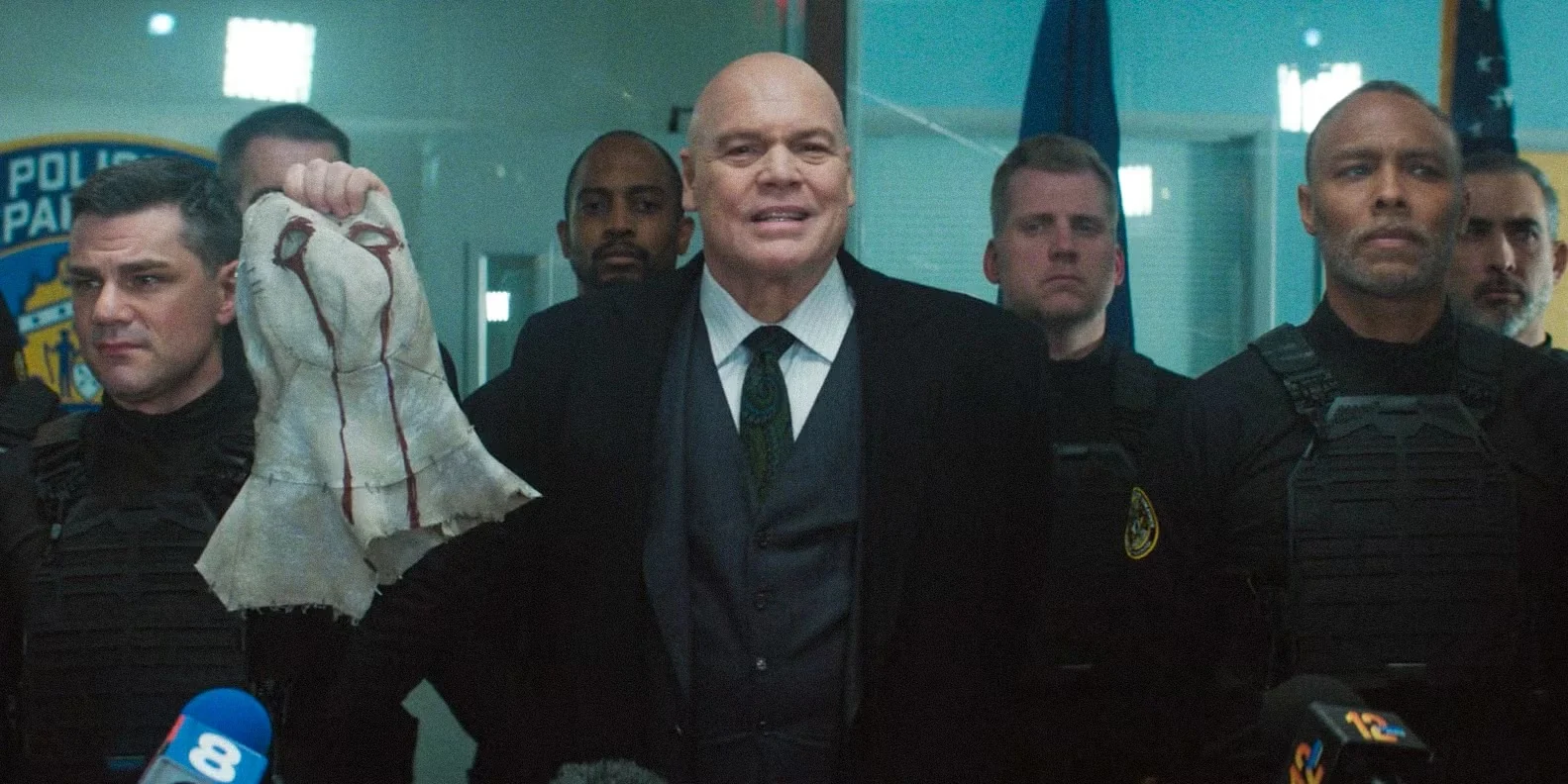
Taken together, the AVTF and the Doorman Clause suggest something bigger happening in the MCU. It’s the quiet normalization of discrimination against people with powers. And that groundwork feels intentional. One of the core themes of X-Men stories has always been prejudice against those born different. With both of these series on Disney+, Marvel appears to be laying the cultural and political foundation for that conflict long before mutants officially enter the picture.
And then there’s the name itself. “Doorman” isn’t just a legal term. It’s also the name of a character in the series, played by Byron Bowers. In the comics, Doorman is a genuine Avenger with portal-based abilities and a surprisingly deep power set.
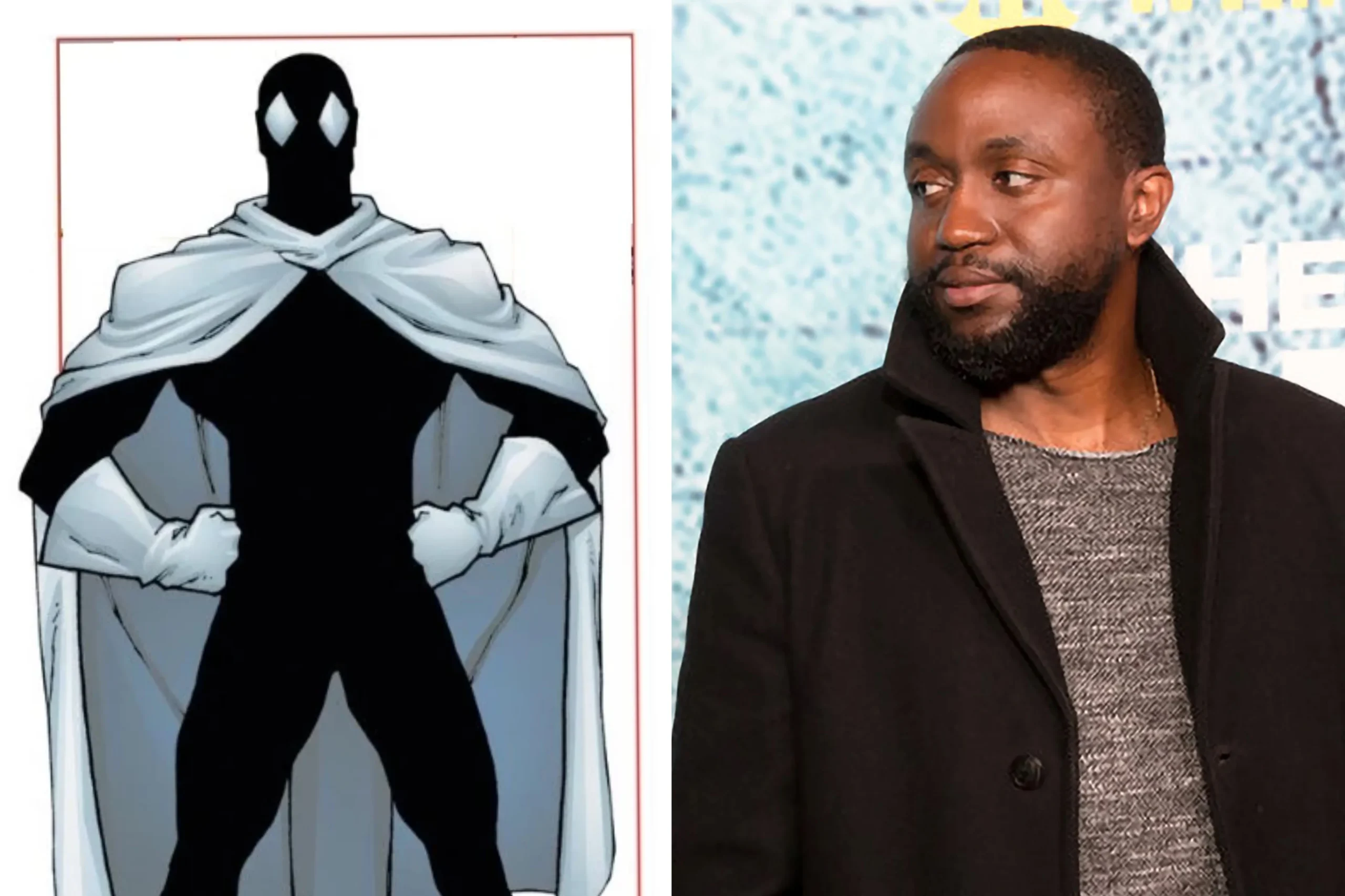
So why call it the Doorman Clause? Maybe he tried breaking into showbiz. Maybe something went catastrophically wrong on set? Who knows?
9. Damage Control Is Still the MCU’s Real Police Force
The Department of Damage Control has been quietly operating in the MCU for nearly a decade now, popping up across the “Spider-Man” films and most recently in “Ms. Marvel”. And with “Wonder Man”, Marvel is reminding us that they’re still very much in charge.
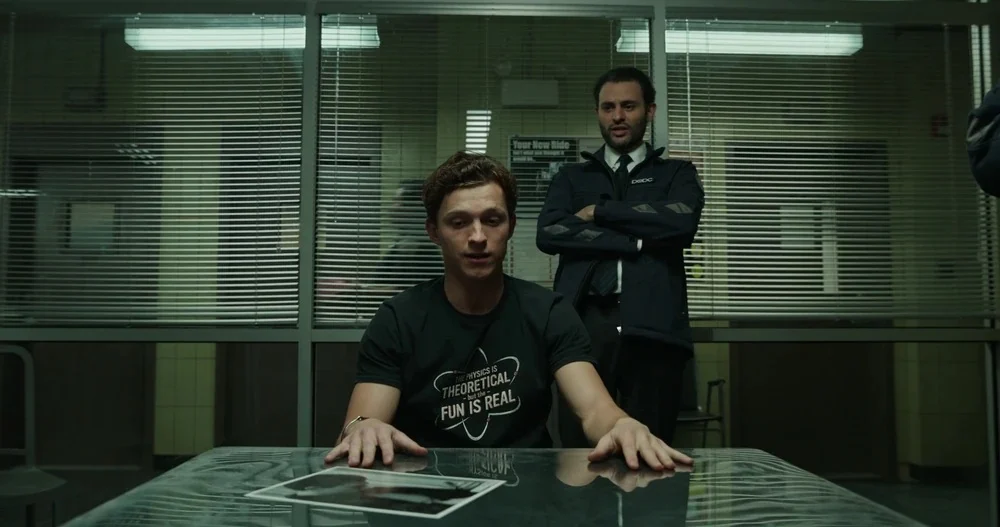
Originally a subsidiary of S.H.I.E.L.D., the United States Department of Damage Control (DODC) became a full-fledged federal agency in the aftermath of the Chitauri invasion. But what was their role?
Yup, cleaning up enhanced-related disasters, confiscating alien technology, and perhaps a side gig of policing people with powers. In partnership with Stark Industries, they’ve also overseen the containment of dangerous tech and superhuman threats.
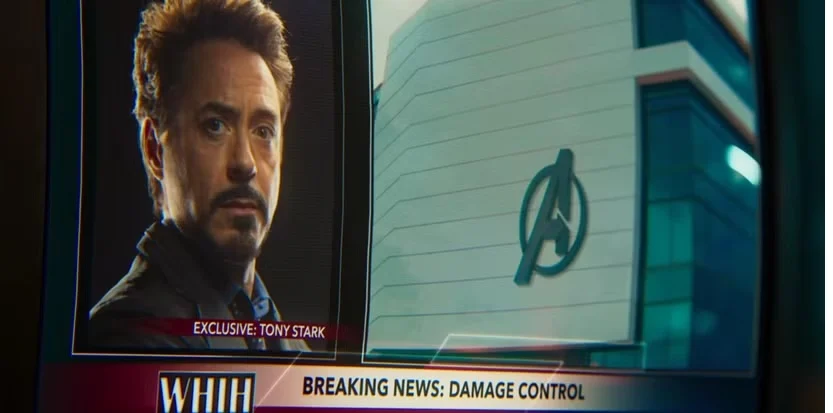
What’s changed over the years is their posture. Damage Control is no longer just sweeping up rubble. They’re now enforcing order.
That’s where Agent Cleary comes in. Played by Arian Moayed, Cleary has quietly threaded his way through the MCU, appearing in “Spider-Man: No Way Home” and “Ms. Marvel”. In “Wonder Man”, he steps into a more direct antagonistic role, discussing Simon Williams with Trevor Slattery and framing Wonder Man not as a misunderstood actor, but as a genuine threat that needs to be stopped.
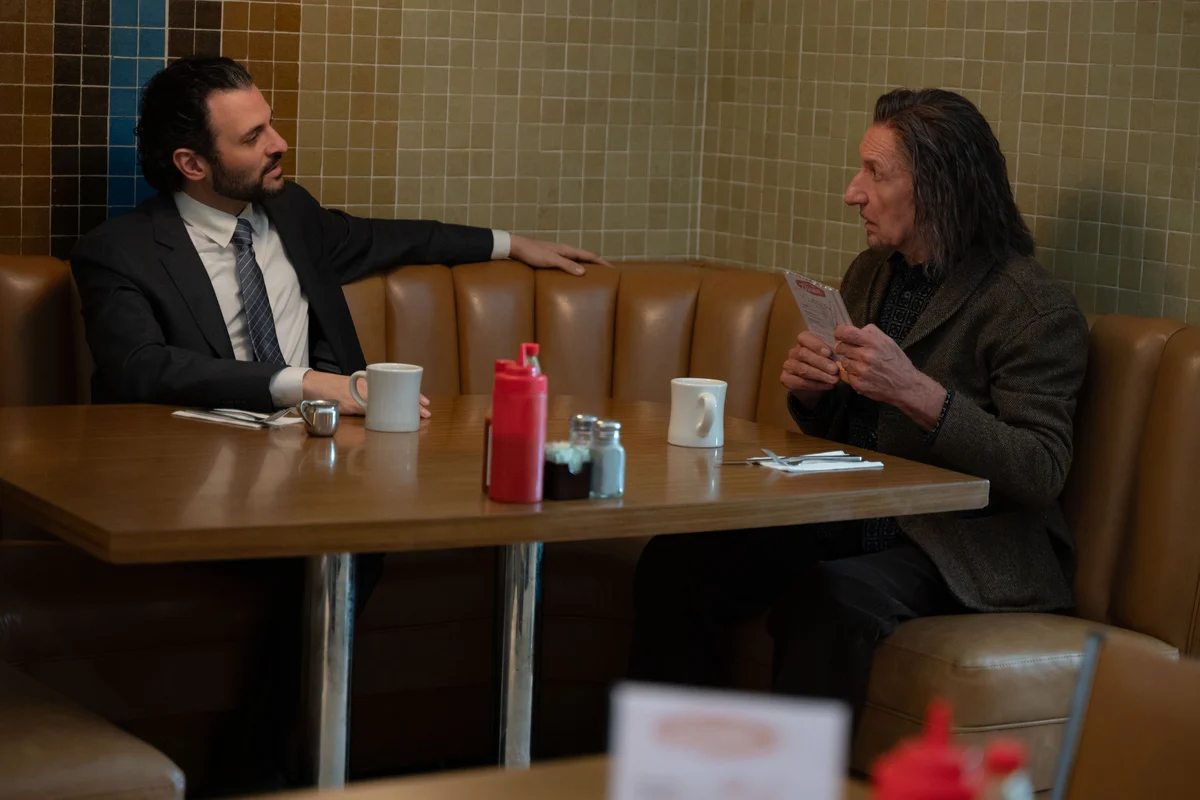
Paired with the Doorman Clause and New York’s Anti-Vigilante Task Force, Damage Control’s presence reinforces a growing truth in the MCU: superpowered individuals aren’t just controversial anymore. The walls are closing in, and Wonder Man is just the latest person caught inside them.
10. Simon Williams’ Brother Is a Supervillain — and It’s Deeply Personal
In the Marvel Comics, Wonder Man’s biggest problem isn’t an alien invasion or a rogue Avenger. It’s his own brother.
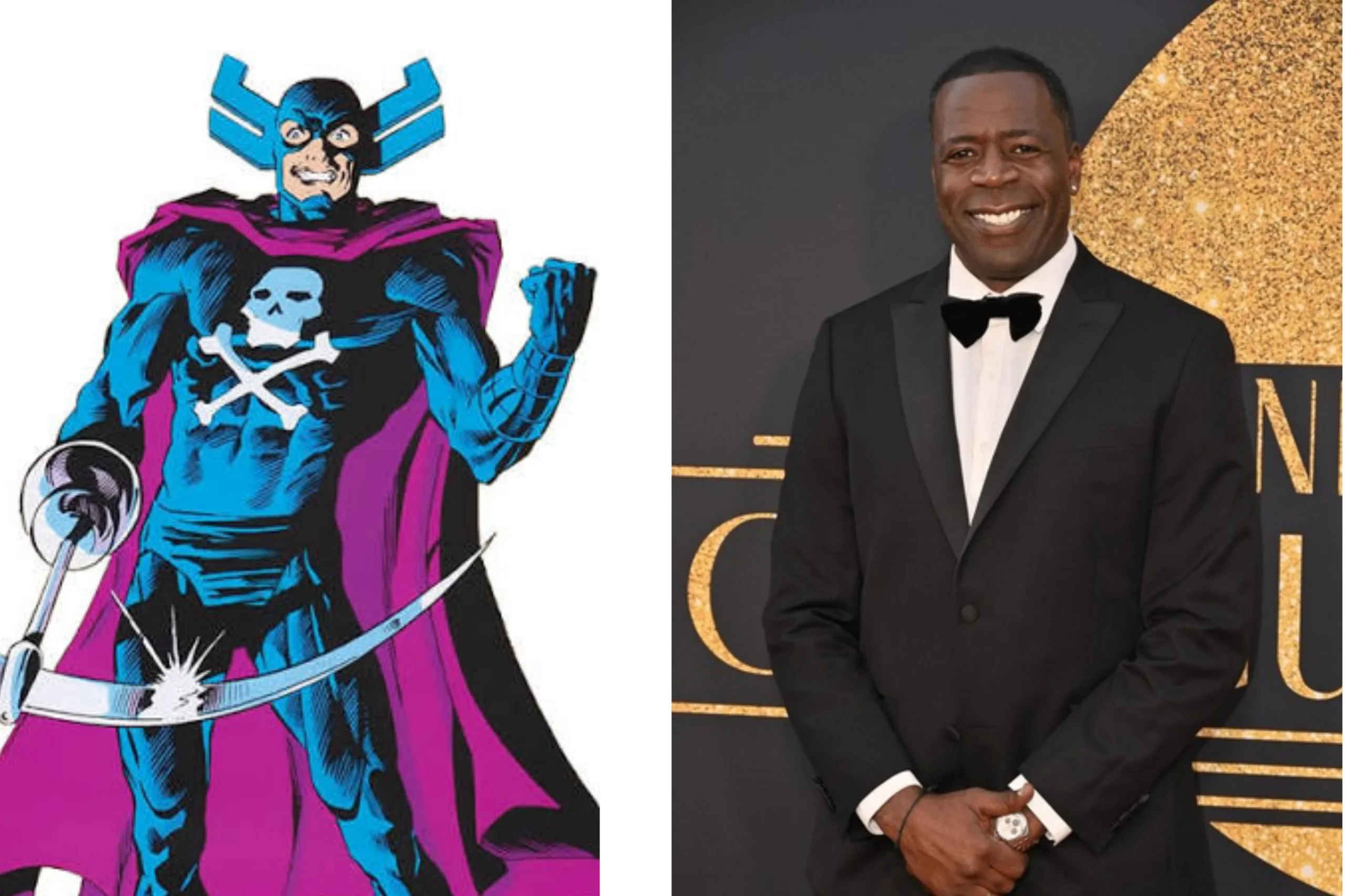
Eric Williams is better known as the Grim Reaper, a long-running Avengers villain whose entire origin is rooted in Simon’s death. Believing the Avengers were responsible for his brother’s apparent demise, Eric reinvented himself as a necromancer with a deadly scythe and a grudge that only grew over time.
Across the comics, Grim Reaper has oscillated between tech-based villainy and full-blown supernatural menace. He’s wielded everything from a high-tech energy scythe to an enchanted weapon capable of stealing life force, eventually developing mystical abilities that allow him to reanimate the dead, summon demons, and teleport at will. In other words: family drama, but with necromancy.
The sibling rivalry has fueled some of Wonder Man’s most emotional storylines, turning their relationship into a tragic loop of guilt, resentment, and unresolved grief. It’s also a little ironic. His brother is death. And Simon himself can’t die.
And yes, Eric Williams is officially entering the MCU. He’ll be portrayed by Demetrius Grosse in “Wonder Man”, setting the stage for a conflict. Whether he will don the mantle eventually is up for grabs, but we will know soon enough!

Marvel Studios’ “Wonder Man” premieres on 27 January 2026 exclusively on Disney+.