

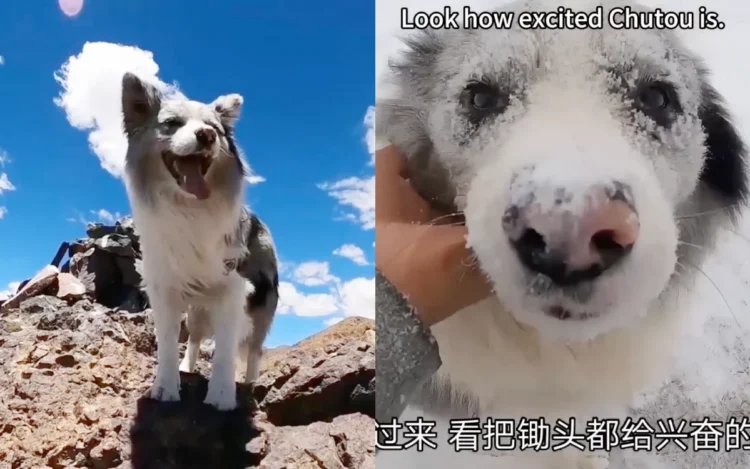
Chutou, an eight-year-old Border Collie, was beloved for his intelligence, boundless energy, and adventures alongside his owner, travel blogger Guo. Together, the pair journeyed from snow-capped mountains to sprawling deserts, capturing the hearts of millions along the way.
Their travel content quickly gained popularity online, helping them amass more than 1.5 million followers who eagerly followed Chutou’s adventures.


However, the story took a heartbreaking turn when Guo went on a solo trip and left Chutou in the care of his parents at their family home.
During his absence, the dog reportedly went missing and was later discovered to have been stolen and sold. Despite Guo’s desperate efforts to track him down, Chutou was found to have already been killed before he could be reunited with his owner, bringing a devastating end to a search that had gripped millions across social media.
Where this all started
Guo first brought Chutou home in 2018 after purchasing the then three-month-old puppy from a street vendor for 2,000 yuan (RM1,191). Over the years, the Border Collie became both a loyal companion and travel partner, accompanying Guo on countless adventures across China.
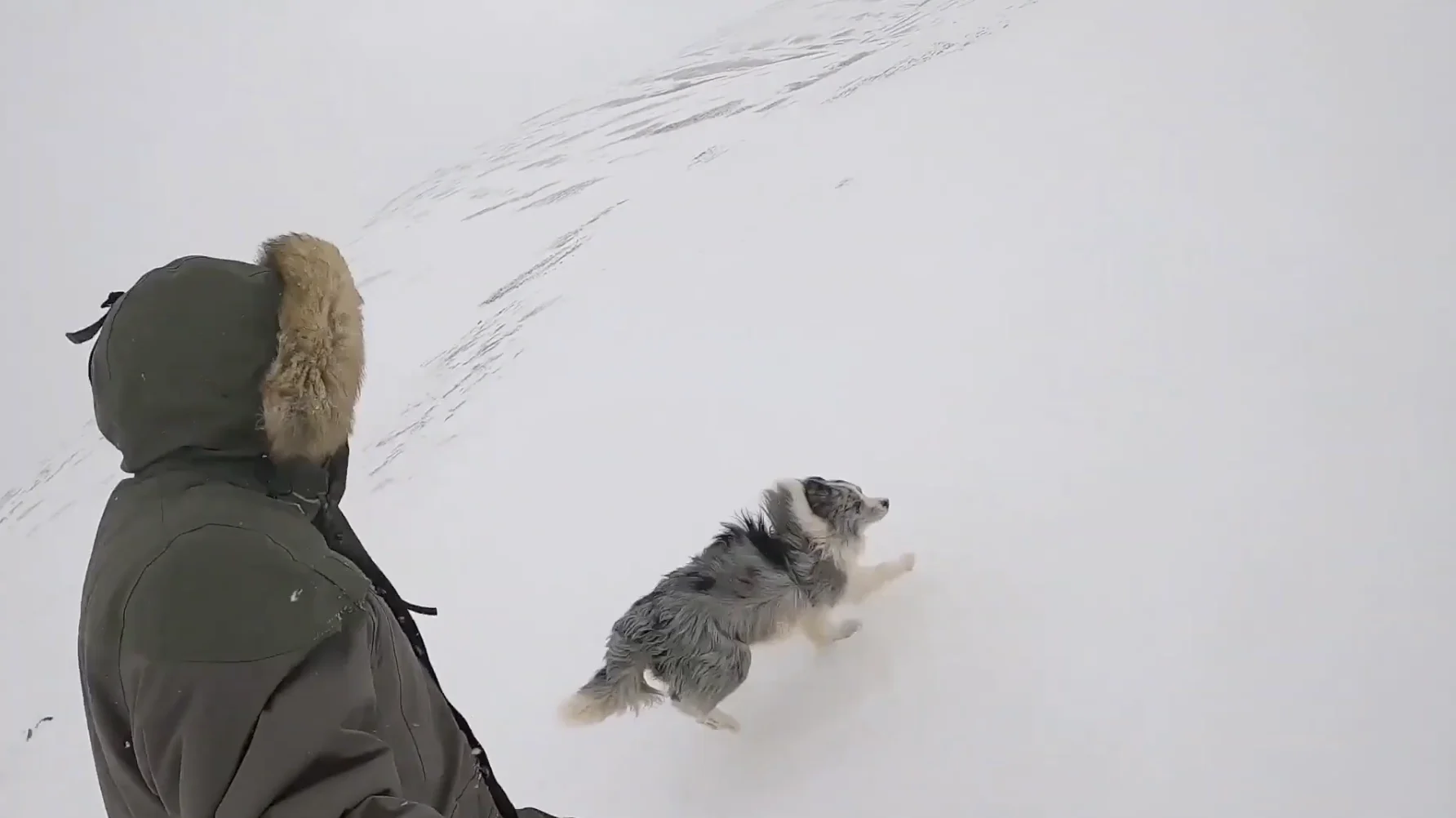
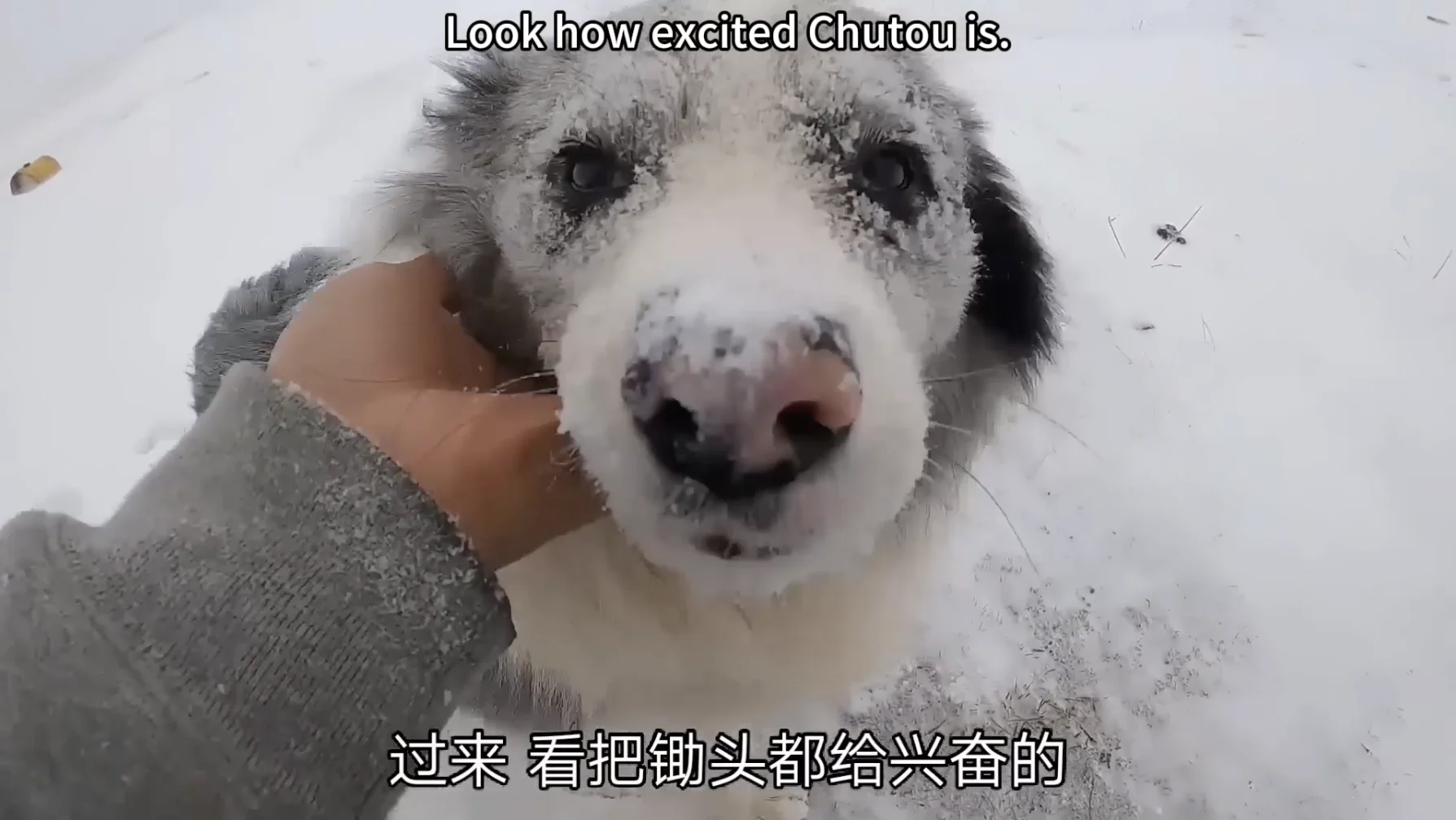
Recently, Guo embarked on a solo trip overseas and left Chutou in the care of his parents at the family home.
Though, on Monday (11 May), Guo’s father realised the dog had gone missing from the family’s fields. A review of surveillance footage later revealed that Chutou had been taken by a couple riding an electric bicycle.
Upon learning of the incident, Guo immediately cut his trip short and rushed back to China, determined to find his beloved companion and bring him home.
The couple was located

On Tuesday (26 May), the search eventually led Guo to the couple allegedly responsible for taking Chutou. Hoping to secure his beloved companion’s safe return, he reportedly offered them 10,000 yuan (RM5,954) in exchange for the Border Collie.
The couple claimed they believed Chutou was a stray dog, alleging that he had approached them after they called out to him. Guo, however, disputed their account, pointing out that Chutou was wearing a collar, was fitted with a tracking device and had been resting on the family’s farmland when he was taken.
A heartbreaking end
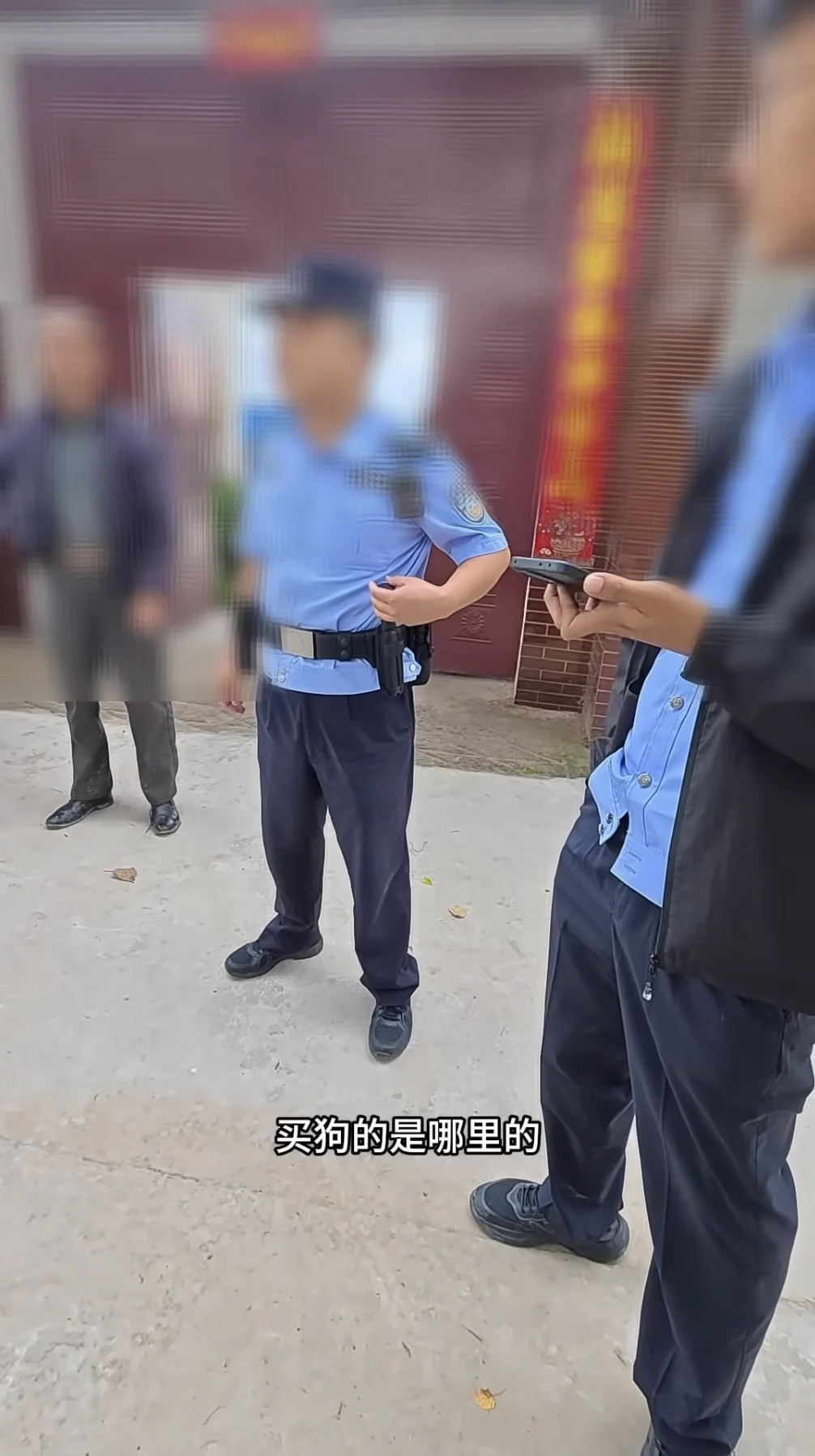
As the investigation progressed, the situation took a devastating turn. Guo later learned that Chutou had allegedly been sold for 180 yuan (RM107) to a dog meat restaurant shortly after being taken. By the time he uncovered the dog’s whereabouts, it was too late as Chutou had already been slaughtered and eaten, bringing a heartbreaking end to the search.
“The dog is dead, so stop making a fuss. I did not break the law,” the couple and their family offered no apology.
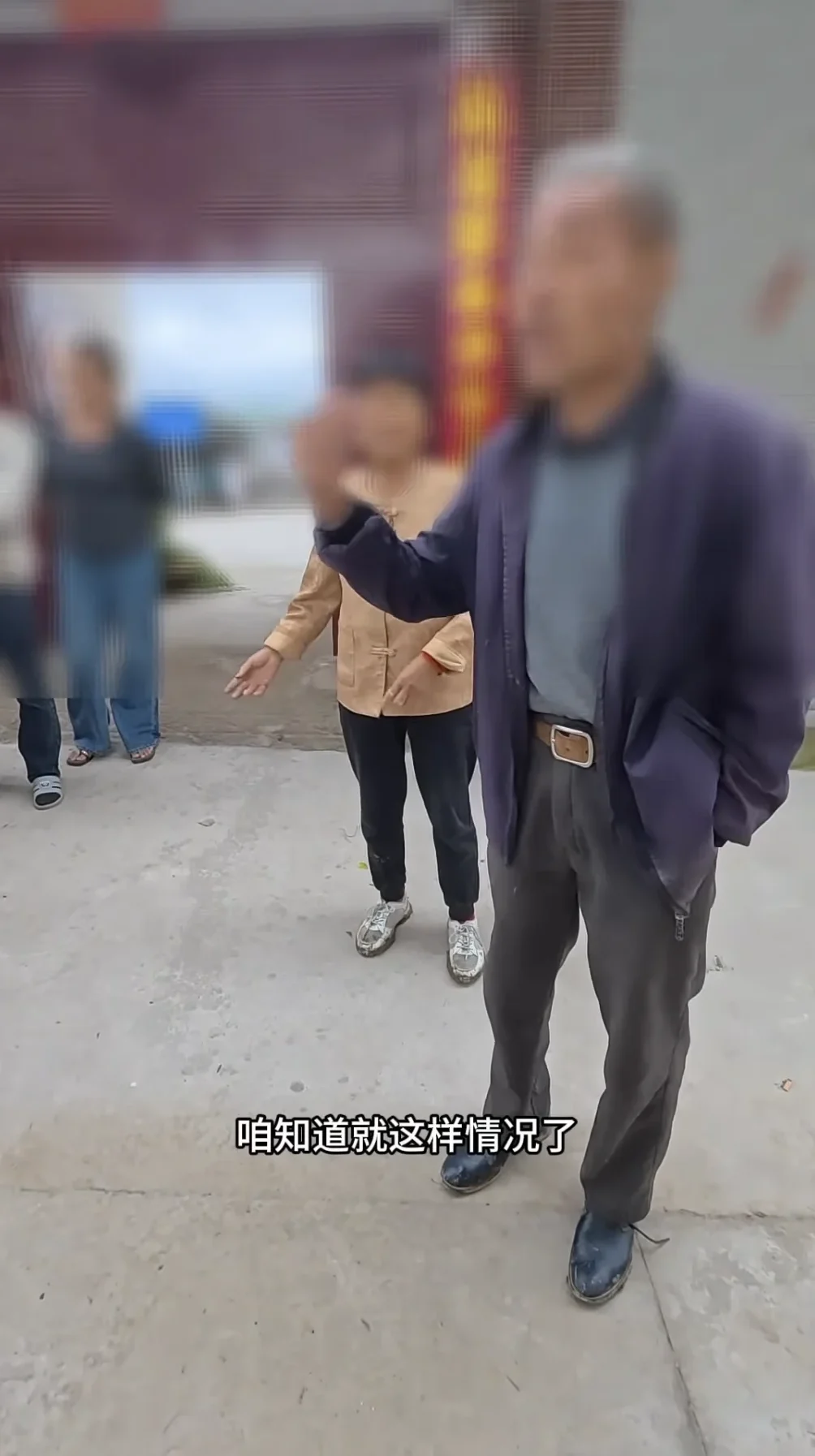
In his search for answers, Guo also confronted a worker at the restaurant where Chutou had reportedly been taken. Hoping to recover a final memento of his beloved companion, he asked whether any of the dog’s remains or even his fur could be returned to the family.
The worker, in turn, told him that the dog’s fur had already been discarded, leaving him with little to remember Chutou beyond the memories they had shared throughout the years.
What happens now?
Devastated by the outcome, Guo reported the case to the police and submitted evidence of Chutou’s market value, hoping that this incident would be investigated as a criminal offence.
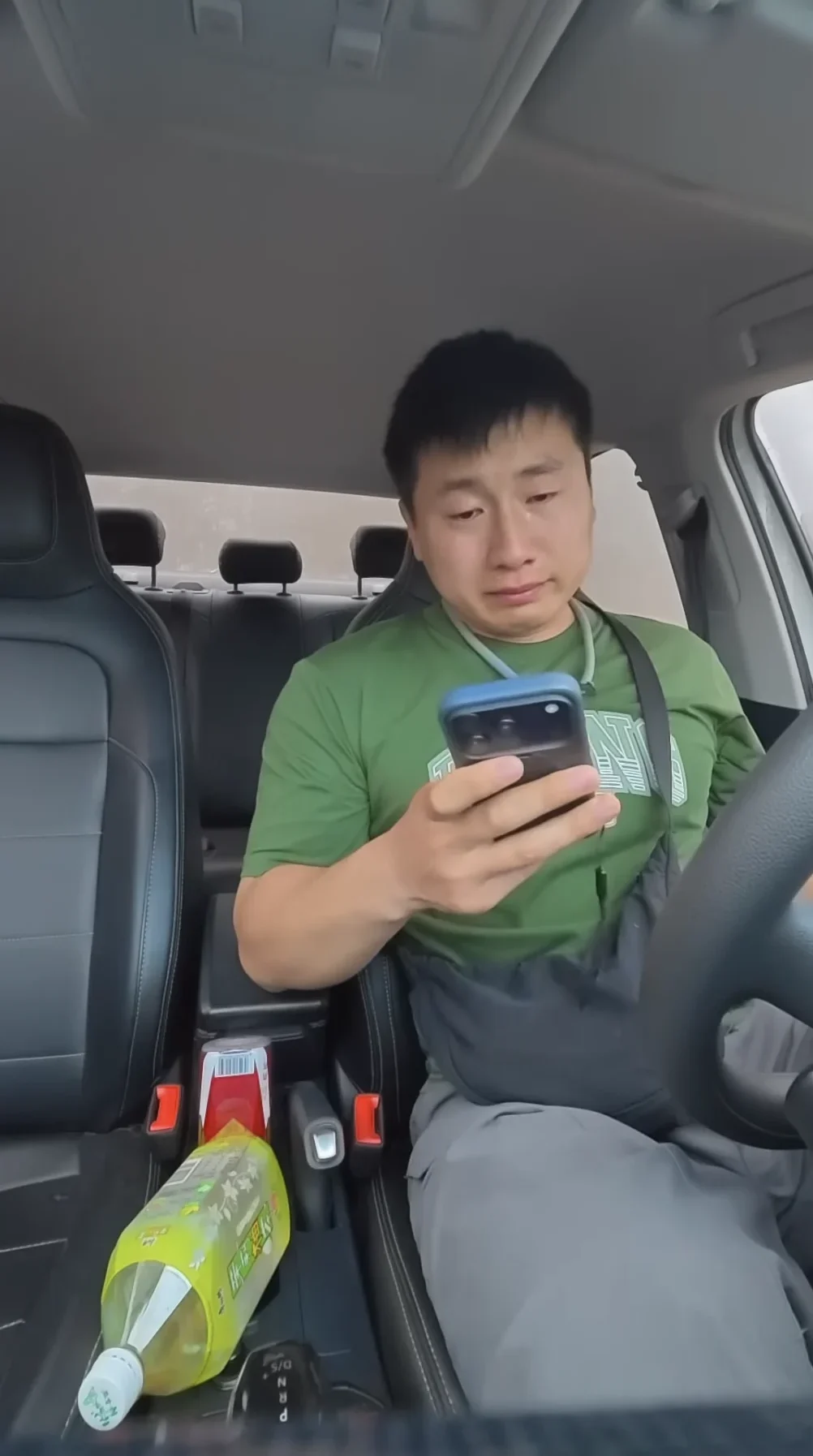
A lawyer, Du Wei, explained that theft cases in China can generally only be pursued criminally if the value of the stolen property exceeds 2,000 yuan (RM1,191). Should Chutou’s value be formally recognised, those involved could potentially face theft charges carrying a maximum sentence of 3 years’ imprisonment.
However, legal experts noted that, while Guo may be entitled to seek compensation for direct financial losses, proving Chutou’s commercial worth as a social media celebrity – as well as the emotional toll of losing a longtime companion – could prove to be significantly more challenging.
This case also highlights broader legal questions surrounding pet ownership in China. With no specific companion animal protection laws in place, pets are largely regarded as property under existing legislation. This means disputes are typically resolved through civil compensation rather than animal welfare statutes.
Our sincerest condolences to Guo and his family.
Source: SCMP
Do stay tuned to Hype for more updates.