
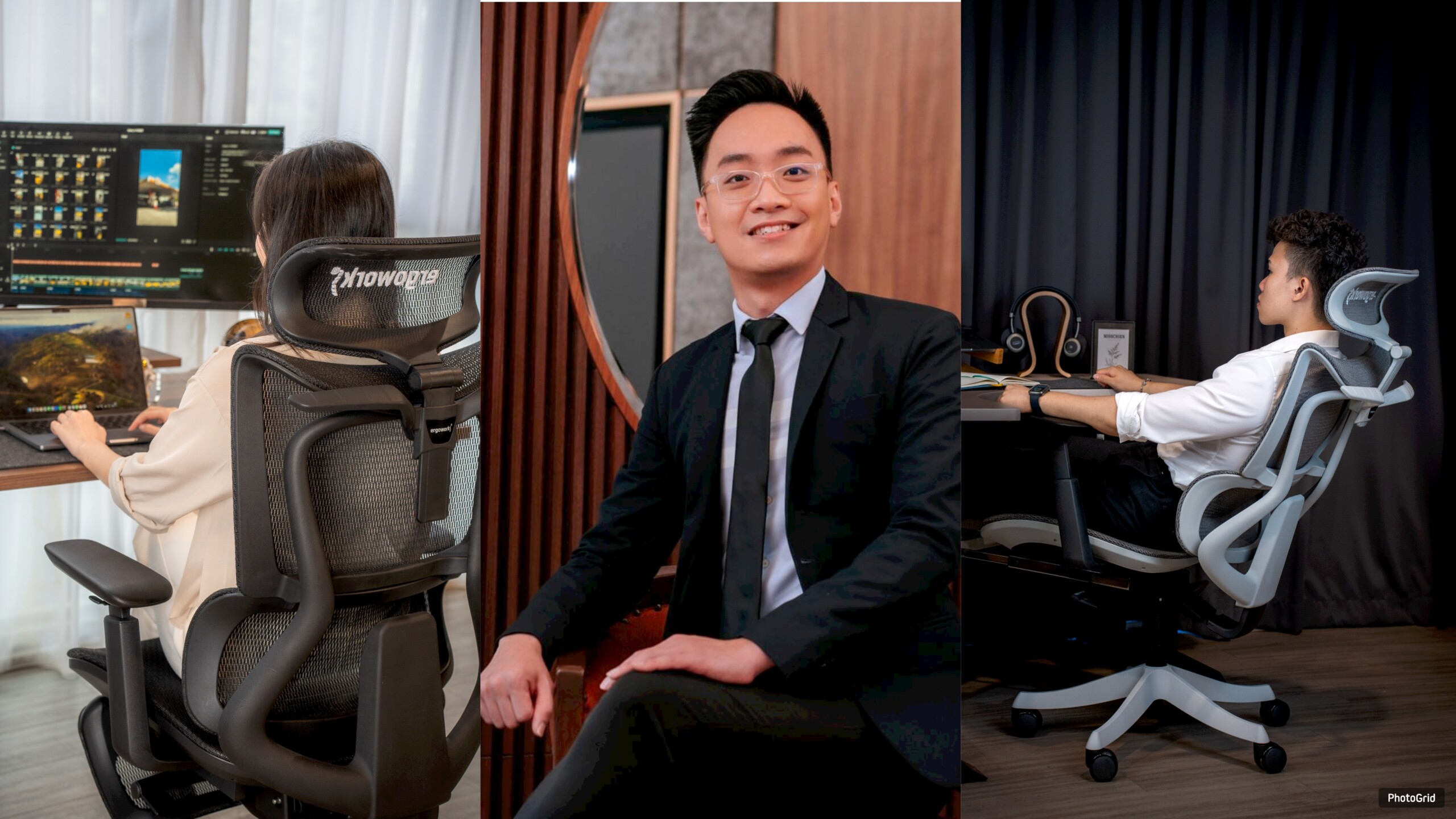
Whether at work or at home, most of our time are usually spent seated down. When the design of our home or workplace doesn’t match our physical needs, that’s when ergonomic problems arise. In the long run, our health suffers.
We recently spoke to International Medical University (IMU) graduate Wong Yi Kai, who is also the President of the Association of Chiropractic Malaysia and Board Director of the World Federation of Chiropractic, to get his invaluable insights on the importance of ergonomics in daily life and what we can do to enjoy better health outcomes.
Can you explain the exact meaning of ergonomics and why is it an important element in the workplace?
Ergonomics is the scientific study of designing and arranging workplaces, products, and systems to fit the people who use them. It aims to optimise human well-being and overall system performance by adapting the work environment to the user’s needs. In the workplace, ergonomics is crucial because it helps prevent work-related musculoskeletal disorders (MSDs), enhances productivity, and improves employee satisfaction. By tailoring the work environment to the physical capabilities and limitations of employees, organisations can reduce injury rates and associated costs while promoting a healthier and more efficient workforce.
What are some of the most common problems that are related to ergonomics faced by employees working in the office environment?
Employees in office environments commonly face ergonomic-related problems such as musculoskeletal disorders (MSDs), including lower back pain, neck strain, shoulder tension, and repetitive strain injuries like carpal tunnel syndrome. These issues often result from prolonged sitting, improper workstation setup, repetitive movements, and poor posture. According to the World Health Organization, MSDs are among the most common causes of disability worldwide and have a significant societal impact due to direct healthcare costs and indirect costs like work absenteeism and productivity loss. Projections indicate that the number of people with low back pain will increase in the future, especially in low- and middle-income countries. Addressing ergonomic issues is crucial to improving employee well-being and productivity globally.
Is this an occurring problem in Malaysia?
Yes, ergonomic-related problems are prevalent in Malaysia. Many Malaysian employees work in office settings involving prolonged periods of sitting and repetitive tasks, contributing to musculoskeletal disorders (MSDs). A study published in the Malaysian Journal of Public Health Medicine found that complaints of arm, neck, and shoulder (CANS) pain are common among office workers in Selangor and Kuala Lumpur. The study reported that 53.6% of participants experienced neck pain and 53.0% reported shoulder pain. Additionally, the majority of participants had a low level of ergonomic awareness, with only 19.09% from the government sector and 10% from the private sector possessing knowledge of ergonomics. This indicates a significant need for increased ergonomic interventions and education in Malaysian workplaces to improve employee health and productivity.
Is there an optimal balance between sitting and standing during work?
Yes, finding an optimal balance between sitting and standing during work is important for reducing health risks associated with prolonged sedentary behaviour. Regularly alternating between sitting, standing, and moving throughout the workday helps mitigate the negative effects of both prolonged sitting and standing. Extended periods of sitting are linked to health issues such as musculoskeletal disorders, cardiovascular disease, and metabolic syndrome while standing for too long can lead to discomfort and fatigue.
The Centers for Disease Control and Prevention (CDC) recommends incorporating more movement into the workday to reduce occupational sitting time. Strategies include using sit-stand desks, taking short active breaks, standing during meetings, and encouraging walking meetings when appropriate. By frequently changing positions and incorporating physical activity, employees can improve circulation, reduce muscle fatigue, and decrease the risk of developing musculoskeletal issues.
The Take-a-Stand Project further highlights the benefits of reducing sitting time at work. In this study, participants who used sit-stand devices reduced their sitting time by an average of 66 minutes per day. They also reported significant reductions in upper back and neck pain, as well as improvements in mood states. These findings support the practice of alternating between sitting and standing to enhance worker health and well-being.
Experts recommend the following strategies to achieve an optimal balance:
- Frequent Position Changes: Aim to change positions every 30 minutes by alternating between sitting, standing, and moving.
- Use Adjustable Workstations: Implement sit-stand desks or adjustable workstations to facilitate easy transitions without interrupting work.
- Incorporate Short Active Breaks: Take brief breaks to stretch, walk, or perform simple exercises to promote circulation and reduce muscle tension.
- Promote Movement-Friendly Policies: Encourage practices like standing meetings or walking discussions to integrate movement into the work culture.
By adopting these practices, employees can reduce the risks associated with prolonged sitting and standing, leading to better musculoskeletal health, improved mood, and increased productivity.
What role does ergonomics play in mental health and overall well-being at workplace? And does it help with the workers’ productivity?
Ergonomics plays a significant role in mental health and overall well-being at the workplace by reducing physical discomfort and strain, which can contribute to stress and decreased job satisfaction. When employees are physically comfortable, they are less likely to experience fatigue and distraction, leading to improved focus and productivity. Studies have shown that ergonomic interventions can reduce stress levels and enhance mental well-being. By promoting a healthier work environment, ergonomics can help employees perform more effectively and contribute positively to organisational outcomes.
What key features do you think are essential for an ergonomic chair?
Essential features of an ergonomic chair include:
- Adjustable Seat Height: Allows the user to keep their feet flat on the floor, promoting proper leg circulation.
- Lumbar Support: Supports the natural inward curve of the lower back, reducing strain on the lumbar spine.
- Adjustable Backrest: Enables the angle and height of the backrest to be adjusted to support the spine’s natural curves.
- Seat Depth and Width: Adequate seat depth allows users to sit comfortably with their back against the backrest while leaving a few inches between the back of the knees and the seat.
- Adjustable Armrests: Support the arms at a comfortable height, reducing strain on the shoulders and neck.
- Swivel and Mobility: A swivel base allows easy rotation, and casters facilitate movement, reducing the need for awkward reaching.
These features help maintain proper posture and reduce the risk of musculoskeletal issues.
What features of the Ergoworks Truly Perfect Chair contribute to addressing body posture issues, and how effective are these features in promoting ergonomic benefits?
Ergonomic chairs like the Ergoworks Truly Perfect Chair are designed with specific features intended to support proper posture and reduce the risk of musculoskeletal discomfort. Key features that contribute to addressing body posture issues typically include:
- Adjustable Lumbar Support: This feature supports the natural curve of the lower back, reducing strain on the lumbar spine and helping to prevent lower back pain.
- Adjustable Seat Height and Depth: By allowing users to adjust the seat height and depth, the chair ensures that feet are flat on the floor and thighs are parallel to the ground, promoting proper leg circulation and reducing pressure on the knees.
- Adjustable Armrests: Adjustable armrests support the arms at a comfortable height, relieving tension in the shoulders and neck.
- Supportive Backrest with Recline Function: A backrest that follows the natural curve of the spine and allows for reclining can reduce pressure on the spinal discs and promote dynamic sitting, which encourages movement and reduces fatigue.
- Breathable Mesh Material: The use of breathable materials enhances comfort by regulating temperature and reducing perspiration during prolonged sitting.
The effectiveness of these features in promoting ergonomic benefits is supported by research indicating that ergonomic interventions can reduce musculoskeletal symptoms and improve comfort among office workers. For instance, a study by Robertson et al. (2013) found that office ergonomics training combined with ergonomic furniture led to reductions in musculoskeletal discomfort and improvements in worker performance.
It’s important to note that the actual effectiveness of an ergonomic chair depends on proper adjustment to fit the individual user’s body dimensions and work habits. Users should be educated on how to adjust the chair correctly and encouraged to maintain good posture and take regular breaks to move and stretch. Consulting with ergonomics professionals can provide personalised guidance to maximise the benefits of ergonomic furniture.
The chair uses a breathable mesh to enhance comfort during prolonged sitting. How does the breathable material play a part in helping the problem?
Breathable mesh materials in chairs aid comfort during long hours of sitting by promoting airflow and regulating temperature. This increased ventilation helps dissipate heat and moisture away from the body, reducing perspiration and discomfort associated with prolonged sitting. By keeping the user cooler and drier, mesh chairs can enhance overall comfort and focus.
It is stated that this edition will be able to reduce the risks of musculoskeletal disorders. Can you elaborate more on this?
Ergonomic chairs designed with adjustable features and proper support can help reduce the risks of musculoskeletal disorders by promoting proper posture and reducing strain on the body. Features such as adjustable lumbar support, seat height, and backrest angle allow the chair to be customised to the user’s body dimensions, supporting the spine’s natural curves and reducing stress on muscles and joints. By facilitating proper alignment and comfort, such chairs can mitigate factors that contribute to MSDs.
What common issues do users face when transitioning to an ergonomic chair?
When transitioning to an ergonomic chair, users may face common issues such as:
- Adjustment Period: Users might experience initial discomfort as their bodies adapt to a new seating posture that promotes proper alignment.
- Incorrect Settings: Without proper guidance, users may not adjust the chair correctly to fit their individual needs, reducing its effectiveness.
- Lack of Training: Users may be unfamiliar with how to utilise the ergonomic features, leading to suboptimal use of the chair.
To maximise the benefits of an ergonomic chair, it is important for users to receive instruction on proper adjustment and to allow time for their bodies to adapt to the new posture.
What specific training programmes have you implemented to promote ergonomic awareness?
Organisations can promote ergonomic awareness by implementing training programs that educate employees on proper workstation setup, posture, and the use of ergonomic equipment. Training can include workshops, instructional materials, and one-on-one assessments to ensure employees understand how to optimise their work environment for comfort and safety.
Can you describe a challenging ergonomic issue that you faced and how was it resolved?
An example of a challenging ergonomic issue could involve employees experiencing widespread musculoskeletal discomfort due to improper workstation setups. Resolving such an issue would involve conducting comprehensive ergonomic assessments, identifying risk factors, and implementing interventions such as ergonomic equipment, training programs, and policy changes to promote healthier work practices.
What steps do you take when conducting an ergonomic assessment?
Conducting an ergonomic assessment typically involves the following steps:
- Observation: Evaluate the employee’s work environment and tasks to identify potential ergonomic risks.
- Data Collection: Gather information on work patterns, posture, equipment used, and any reported discomfort.
- Risk Identification: Identify ergonomic risk factors such as repetitive motions, awkward postures, and forceful exertions.
- Analysis: Use ergonomic assessment tools to analyse the risks and determine their severity.
- Recommendations: Develop strategies to mitigate risks, including equipment adjustments, workstation redesign, and employee training.
- Implementation: Implement the recommended changes.
- Follow-up: Monitor the effectiveness of interventions and make adjustments as necessary
Other than finding the perfect chair to sit in the office, what else do you recommend for employees to practice in order to avoid any ergonomics disorders?
To avoid ergonomic disorders, it is important to:
- Incorporate Regular Movement: Take short breaks to stand, stretch, or walk to reduce muscle fatigue and improve circulation.
- Practice Good Posture: Maintain an upright posture with aligned spine, relaxed shoulders, and feet flat on the floor.
- Adjust Workstation Setup: Ensure the monitor is at eye level, keyboard and mouse are within easy reach, and lighting is adequate to prevent eye strain.
- Use Ergonomic Accessories: Consider ergonomic keyboards, mouse devices, and document holders.
- Engage in Exercise: Regular physical activity can strengthen muscles and improve flexibility, reducing the risk of injury.
How do you see the role of technology evolving in ergonomic chair design?
Technology is playing an increasingly significant role in ergonomic chair design. Advances include:
- Smart Chairs: Incorporation of sensors that monitor posture and provide real-time feedback to the user.
- Adjustability Enhancements: Improved mechanisms for easier and more precise adjustments.
- Material Innovations: Development of new materials that offer better support and comfort, such as pressure-distributing foams and breathable fabrics.
- Integration with Digital Devices: Chairs that sync with apps to track sitting habits and encourage movement.
These technological advancements aim to enhance user comfort, promote healthy postures, and prevent musculoskeletal issues by personalising the ergonomic experience.
Can you discuss the long-term health benefits of using an ergonomic chair?
Yes, using an ergonomic chair can offer several long-term health benefits, particularly when integrated into a comprehensive approach to workplace ergonomics. These benefits include:
- Reduced Risk of Musculoskeletal Disorders: Ergonomic chairs are designed to provide proper support and promote correct posture alignment, which can decrease the likelihood of developing chronic back, neck, and shoulder pain. By supporting the natural curves of the spine, they reduce strain on muscles and joints over time.
- Improved Posture: By encouraging proper spinal alignment, ergonomic chairs help prevent postural issues and related discomfort. Consistent use can lead to better posture habits even when not seated, contributing to overall musculoskeletal health.
- Enhanced Circulation: Adjustable features allow for optimal positioning, reducing pressure on the thighs and improving blood flow. Proper seat height and depth ensure that feet are flat on the floor, promoting better circulation and reducing the risk of swelling or numbness in the legs.
- Increased Comfort and Productivity: Ergonomic chairs reduce discomfort, which can lead to improved concentration and efficiency at work. Enhanced comfort reduces distractions caused by pain or discomfort, allowing employees to focus better on their tasks.
Over time, these benefits contribute to better overall health, decreased absenteeism due to discomfort or injury, and an improved quality of life. However, as highlighted by Rydell et al. (2019), the success of such ergonomic interventions depends on critical elements in the implementation process. These elements include:
- Identifying the Need: Understanding specific ergonomic risks and needs within the workplace to select appropriate interventions.
- Employee Involvement: Involving staff in the selection and adjustment of ergonomic chairs to ensure they meet individual needs and encourage proper use.
- Training and Education: Providing training on how to adjust and use ergonomic chairs correctly to maximise their benefits.
- Evaluation: Regularly assessing the effectiveness of ergonomic interventions and making necessary adjustments.
By focusing on these critical elements, organisations can optimise their investments in ergonomic chairs, leading to significant improvements in occupational health and safety outcomes.
To find out more, visit Ergoworks website at https://ergoworks.com.my/