
Surely by now, it is no secret that “The Boys” carries a certain notoriety. Bring it up at a polite tea party on a Saturday evening and watch the room shift. Muscles tense. Someone lets out a nervous laugh. Another changes the subject. At least, that’s what we’ve noticed within our social meetups.
Then again, that visceral reaction has always been the point of the show. From its very first episode, the series has thrived on discomfort, forcing audiences to confront a version of the superhero genre that feels less like escapism and more like an indictment.
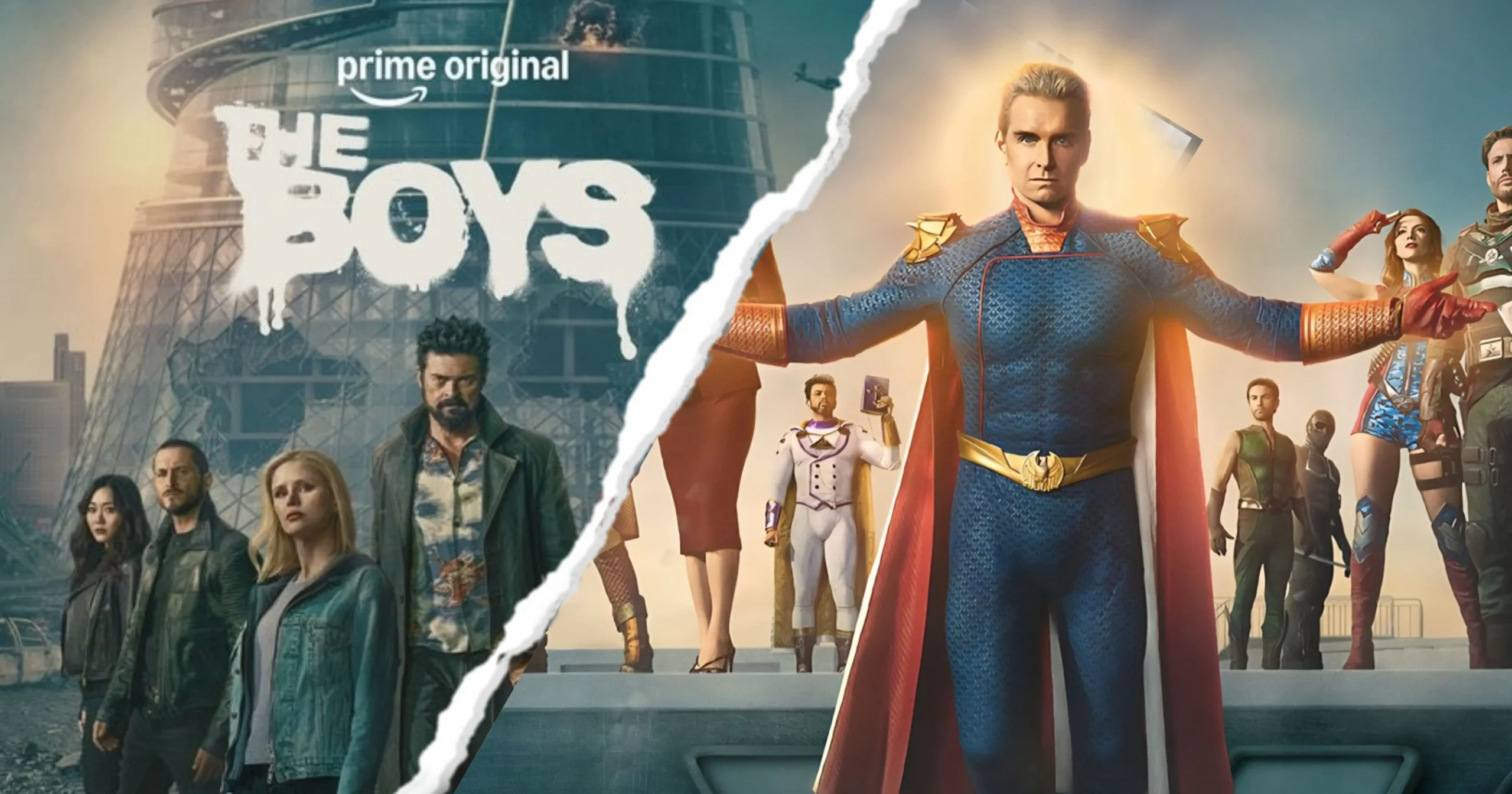
When “The Boys” premiered in 2019 on Prime Video, the cultural landscape was drowning in capes. The idea of “superhero fatigue” had gained traction within the pop culture faction. Then came Eric Kripke, who set out to create what he has described as the most “realistic” version of a superhero story possible based on the Garth Ennis comics. Sure, it’s probably less about physical realism… but yes, more so in consequence of the plot.
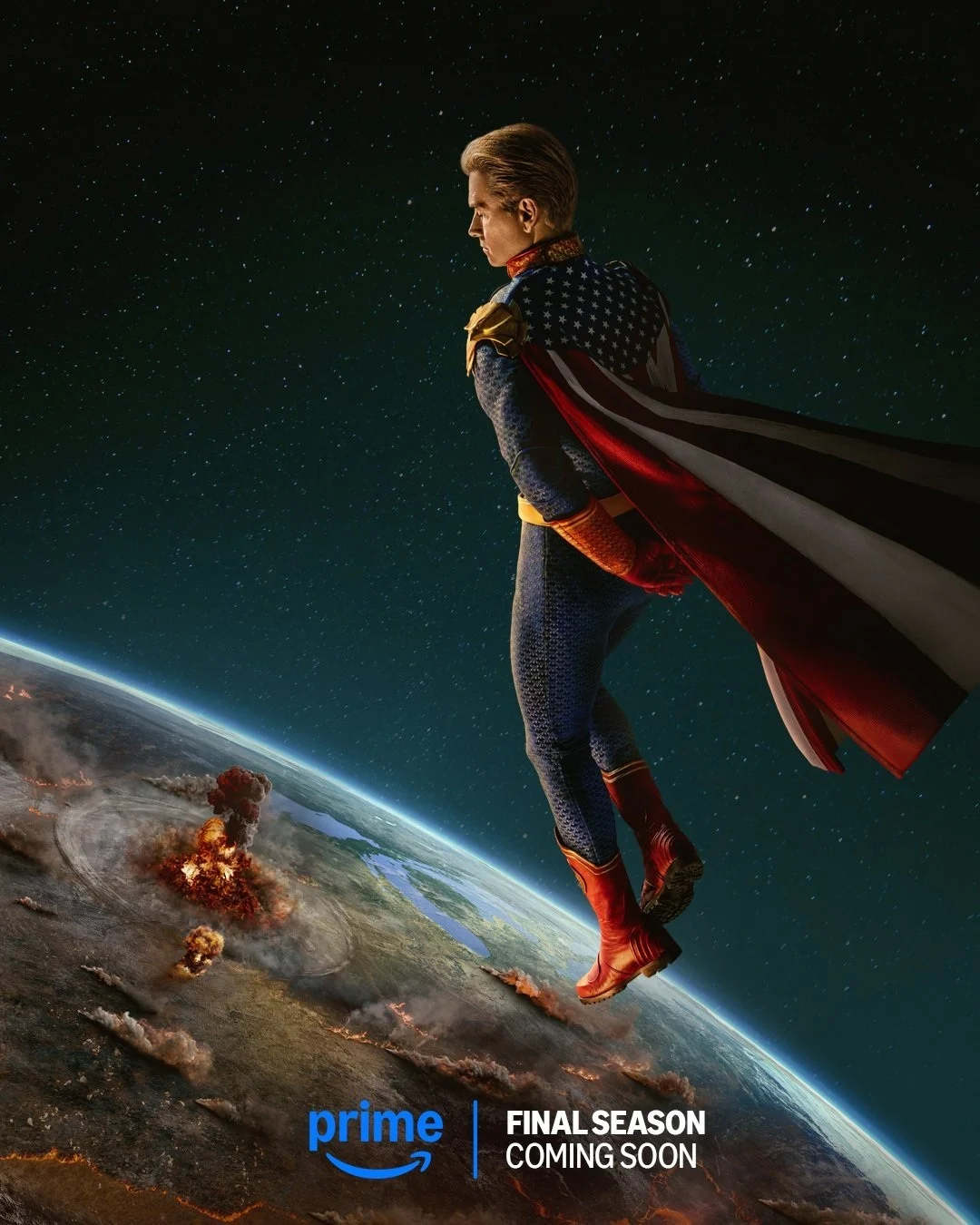
Seven years later, the “mothership” is preparing for its final descent as it wraps up its story. Season 5’s stakes are different. It is about culmination; about what remains after the blood dries and The Boys get their happy ending… (cue our nervous laughter)
Now. Season 5 plunges into a landscape suffocating under Homelander’s (Antony Starr) absolute rule, flanked by a new breed of acolytes imported from the wreckage of “Gen V”. With the Boys scattered, Hughie (Jack Quaid), Mother’s Milk (Laz Alonso), and Frenchie (Tomer Capone) rot in Vought-run “Freedom Camps” while Annie (Erin Moriarty) desperately attempts to galvanise a resistance. But the true threat re-emerges with Butcher (Karl Urban), who returns armed with a Supe-killing virus and the singular intent to burn the world down to save it.
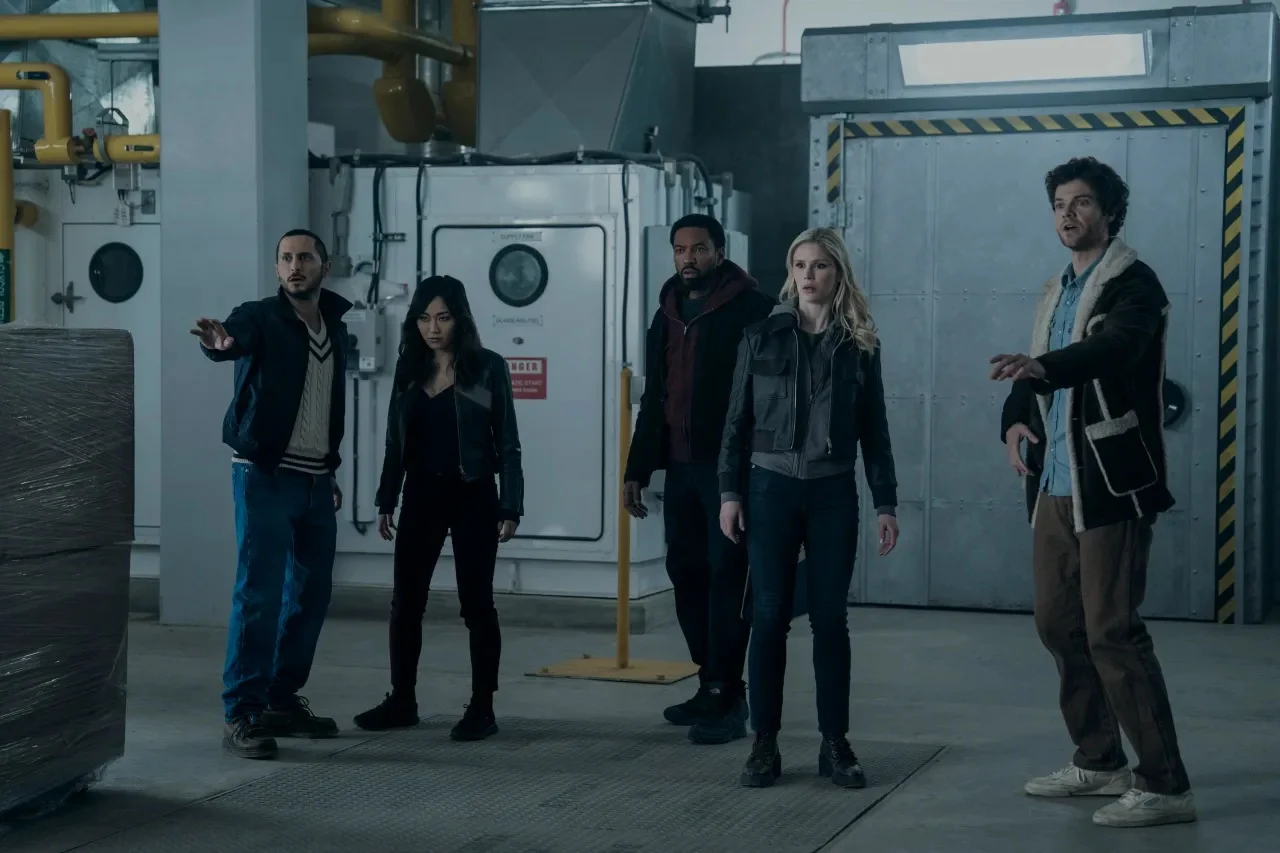
“The Boys” Season 5: Tomer Capone (Frenchie), Karen Fukuhara (Kimiko), Karl Urban (Billy Butcher), Erin Moriarty (Annie January/Starlight), Jack Quaid (Hughie Campbell)
The Current Life and Times of The Boys
If there is one thing “The Boys” refuses to be, it is complacent about life. And what it entails. Indeed, this show has stood its ground not just in pop culture, but also slipping in and out of the cultural zeitgeist. Jack Quaid, who plays Hughie, a self-described “huge nerd,” still recalls the surreal experience of stepping into a show that felt eerily close to present-day America, with superheroes simply inserted into the chaos.
Behind the scenes, that sharpness begins in what showrunner Eric Kripke calls the “Devil’s Cauldron.” The writers’ room is designed to push ideas to their limits, often resulting in storylines that feel uncomfortably close to reality. Time and again, the show has mirrored real-world developments, particularly in areas like political division and media manipulation.
Well… we guess if you have a powerful disillusioned individual who craves public approval at every moment, you can’t get much clearer than Homelander “making Supes great again”.
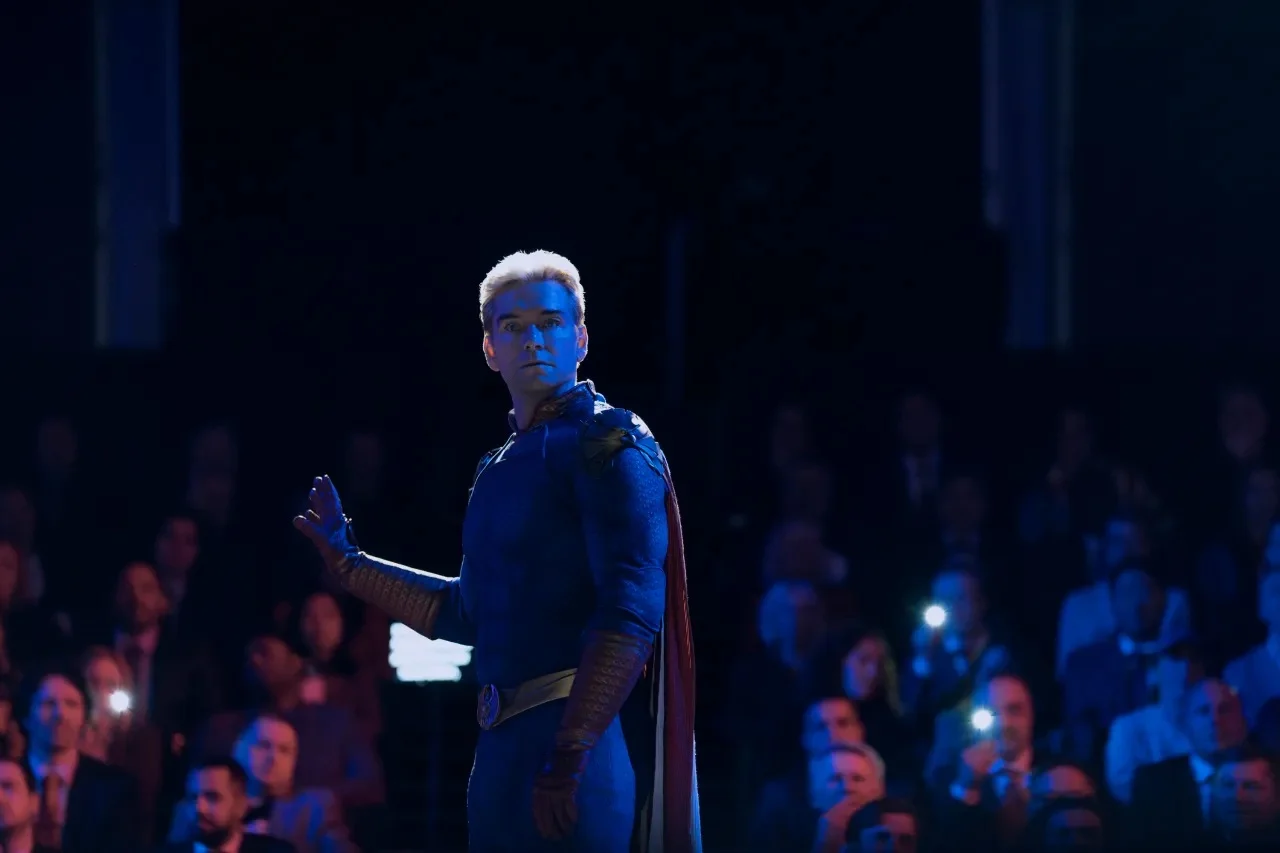
“The Boys” Season 5: Antony Starr (Homelander)
Laz Alonso, who plays Mother’s Milk, sees that reflection as essential to the show’s global appeal. That shift, of course, does not exist in isolation and reflects a broader cultural sentiment.
“It’s eerily similar to what we’re seeing in society,” Alonso continues. “People are starting to resign themselves because they’ve fought so hard, and yet evil continues to win.”
It is a mirror held up to systems of power, forcing audiences to confront what they might otherwise ignore.
“We’re doing things that have never been done on television before. On 99.9% of other shows, we wouldn’t get away with it.” – Nathan Mitchell
Yet, there is a certain irony about the existence of this show that Kripke himself finds himself amused by. The show operates with a deeply anti-systemic, sometimes anti-corporate rhetoric. And yet it exists under the umbrella of one of the largest corporations in the world. In this way, Kripke has often embraced it, positioning himself as a kind of “court jester.” He is allowed to mock the king, provided he remains entertaining. And the world of Vought, where branding and profit dictate everything, is simply that reflection.
Chaos, Memes, and the Digital Afterlife
However, the legacy of “The Boys” is not confined to the screen. Just like some after-effect to Compound V, it lives and mutates online.
“Oi, Oi Hughie…”
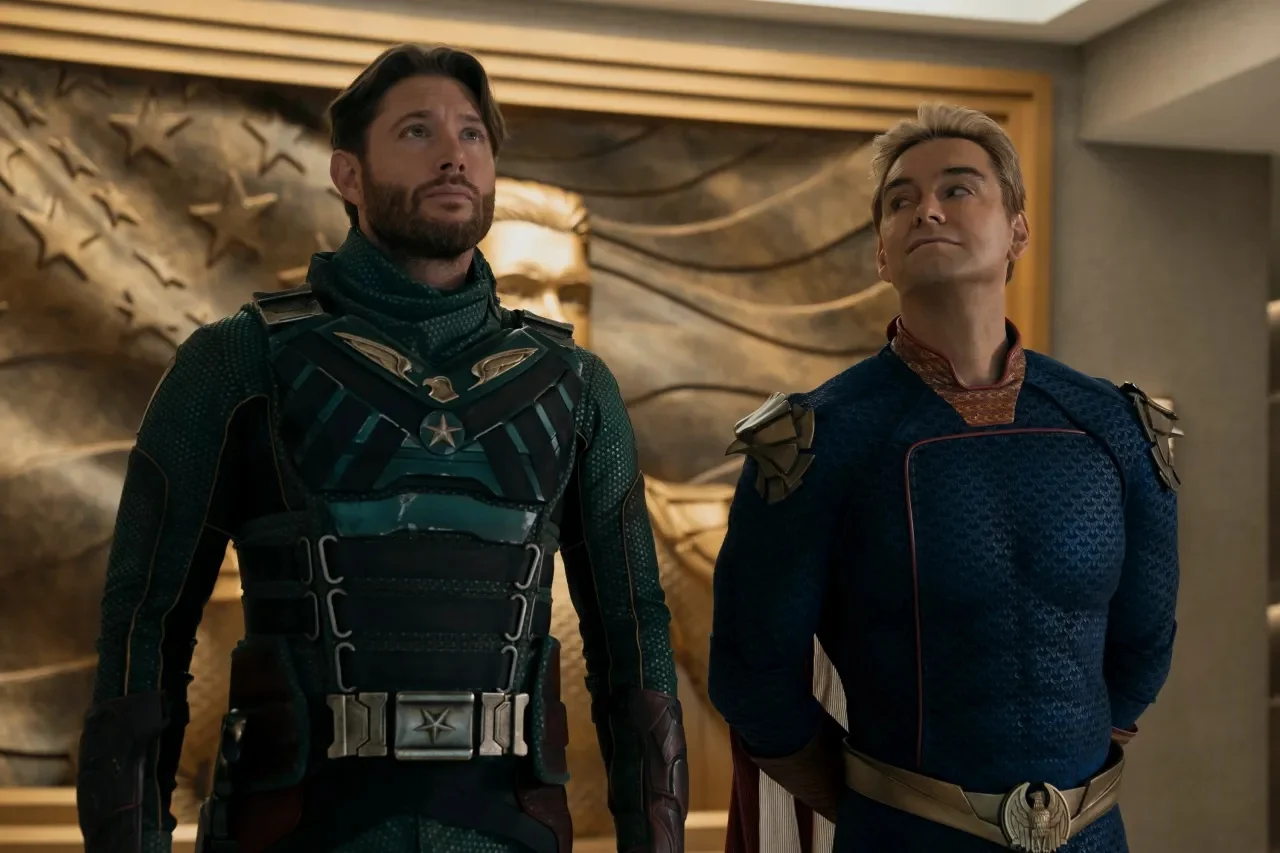
“The Boys” Season 5: Jensen Ackles (Soldier Boy), Antony Starr (Homelander)
It is perhaps the most unserious we’ve ever been with a celebrity, but certainly a fitting greeting one could give while speaking to Jack Quaid, who immediately recognises the tone of our assignment with a generous laugh.
The cast has long acknowledged that while the show provides the spark, it is the audience that keeps it alive. The breath of the show’s life exists as much on TikTok and Instagram as it does on its streaming platform.
Colby Minifie experienced this firsthand when one of Ashley Barrett’s most intense scenes transformed into the viral “Ashley, look at me” remix.
“The whole ‘Ashley, look at me’ thing is totally crazy,” Minifie exclaimed, speaking on the Phonk madness. “I didn’t really know it was a thing because I’m not on TikTok, but then I kept seeing it on Instagram. I was like, ‘How did this become a thing?’”
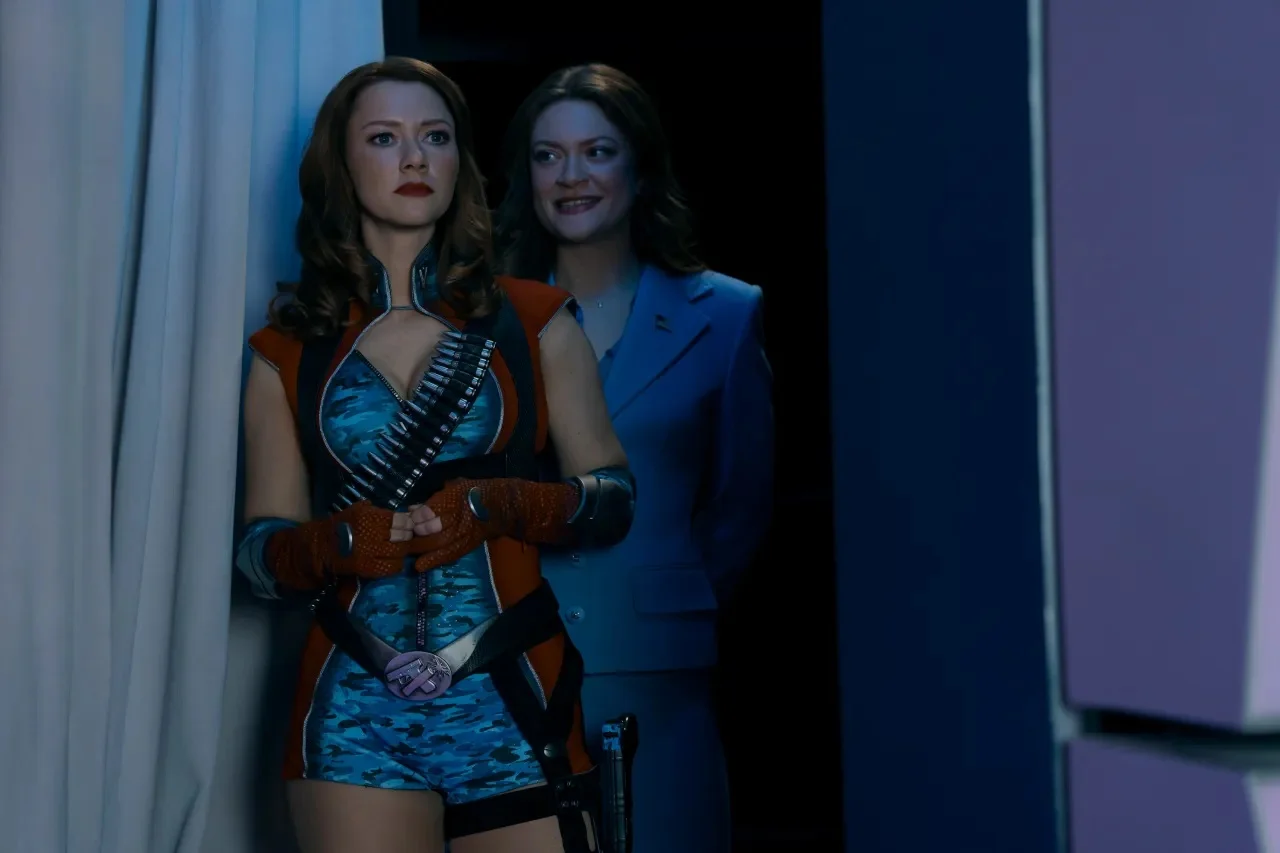
“The Boys” Season 5: Valorie Curry (Firecracker), Colby Minifie (Ashley Barrett)
“When I was in Brazil, Eric Kripke showed me a video of people dancing to it, and I was blown away,” she adds. “So I went on stage and made everybody say it to me, and it felt really good.”
Despite the absurdity of it all, Colby remains grateful, as do the rest of the cast.
“The fact that we get to make a living playing pretend is the biggest gift of my life,” Minifie says. “The fact that people watch our show is another huge gift.”
Antony Starr has also seen a similar transformation with Homelander, who has become a cornerstone of internet “brainrot” culture. Sure, he might be terrifying on-screen, but when someone edits you with a Hello Kitty filter, or with extremely puffy cheeks, or simply sitting in the cinema. You can’t do anything much but take it all in stride. Indeed, Antony’s been vocal about the Homelander memes, expressing how much he loves them.
Home Landing an Obsessive Cancer
At the centre of “The Boys” sits a conflict that feels almost mythological in its design, yet disturbingly human in its execution. Billy Butcher and Homelander rarely occupy the same space, and yet every decision they make feels tethered to the other’s existence. It is less a rivalry and more a gravitational pull—two forces locked in a slow, inevitable collision. It’s the classic unstoppable force meets an immovable object trope.
From Season 1, Butcher has been notoriously difficult, with his scorched Earth persona of destroying all Supes, taking the extreme route at times. Indeed, Karl Urban describes Butcher not as a man with a plan, but as a man who refuses to stop making them. In his own words, he’s like the Terminator.
“If this doesn’t work, we’re going to try this. If that plan doesn’t work, we’ve got another one,” he says.
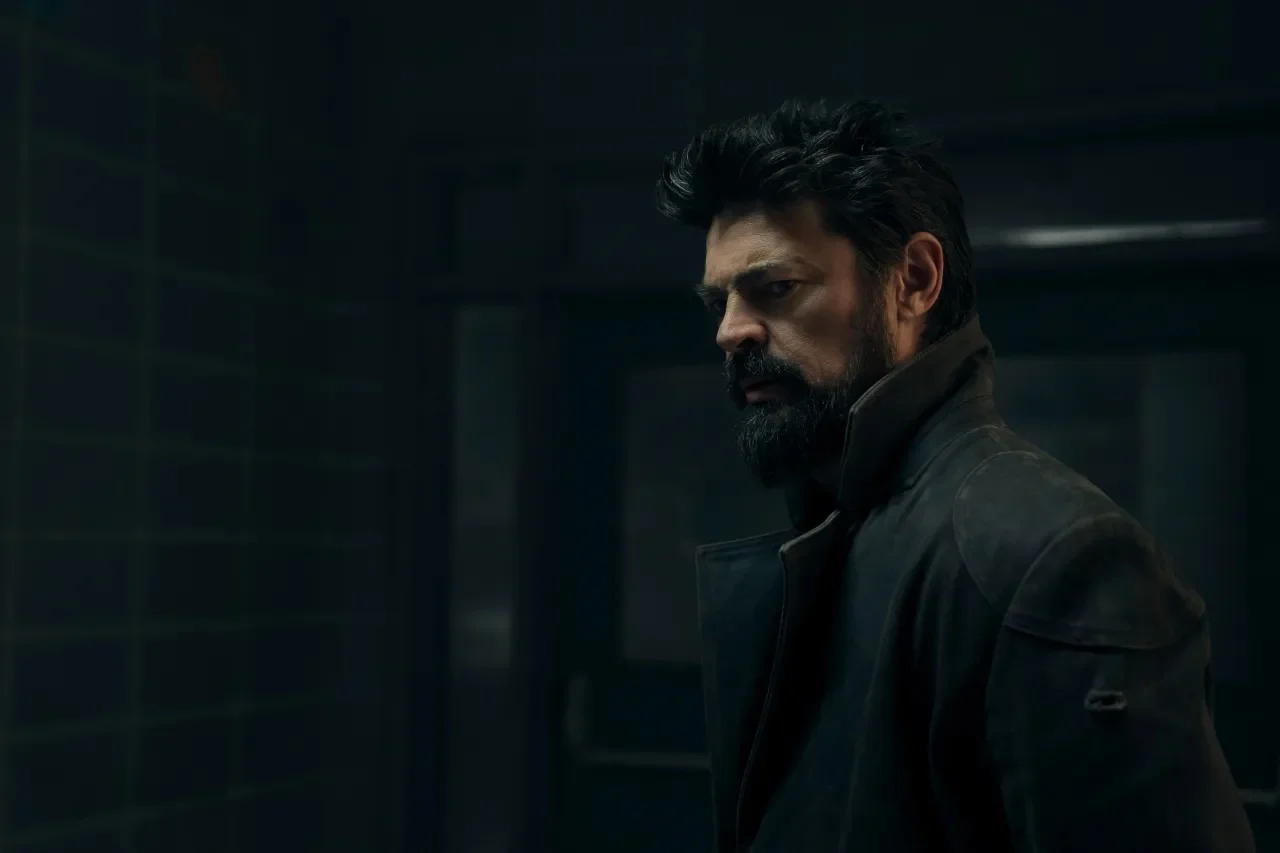
“The Boys” Season 5: Karl Urban (Billy Butcher)
It’s this corrosive obsession that drives the character. Over time, it strips away everything that makes Butcher human, leaving behind something closer to pure intent. For seasons, he has sounded like the extremist in the room, warning that Supes represent an existential threat. Now, that paranoia no longer feels fringe.
“Homelander is becoming a mortal god,” Urban adds. “And the Boys are the only thing that can save humanity.” – Karl Urban
However, that shift in perception still complicates Butcher. Because the closer he gets to being right, the further he drifts from being good.
“Having given himself over to this internal organism, there’s a duality to him,” Urban explains. “When he flicks the switch, he’s very cold and machine-like. When he’s not in that state, he’s relying on the Boys to keep him grounded.”
Across from him stands Homelander, a character who operates on an entirely different axis of contradiction. He is the most powerful being in the world, yet emotionally stunted, incapable of processing rejection or vulnerability. Homelander demands love, but only on his own terms. He enforces loyalty, but cannot inspire it.
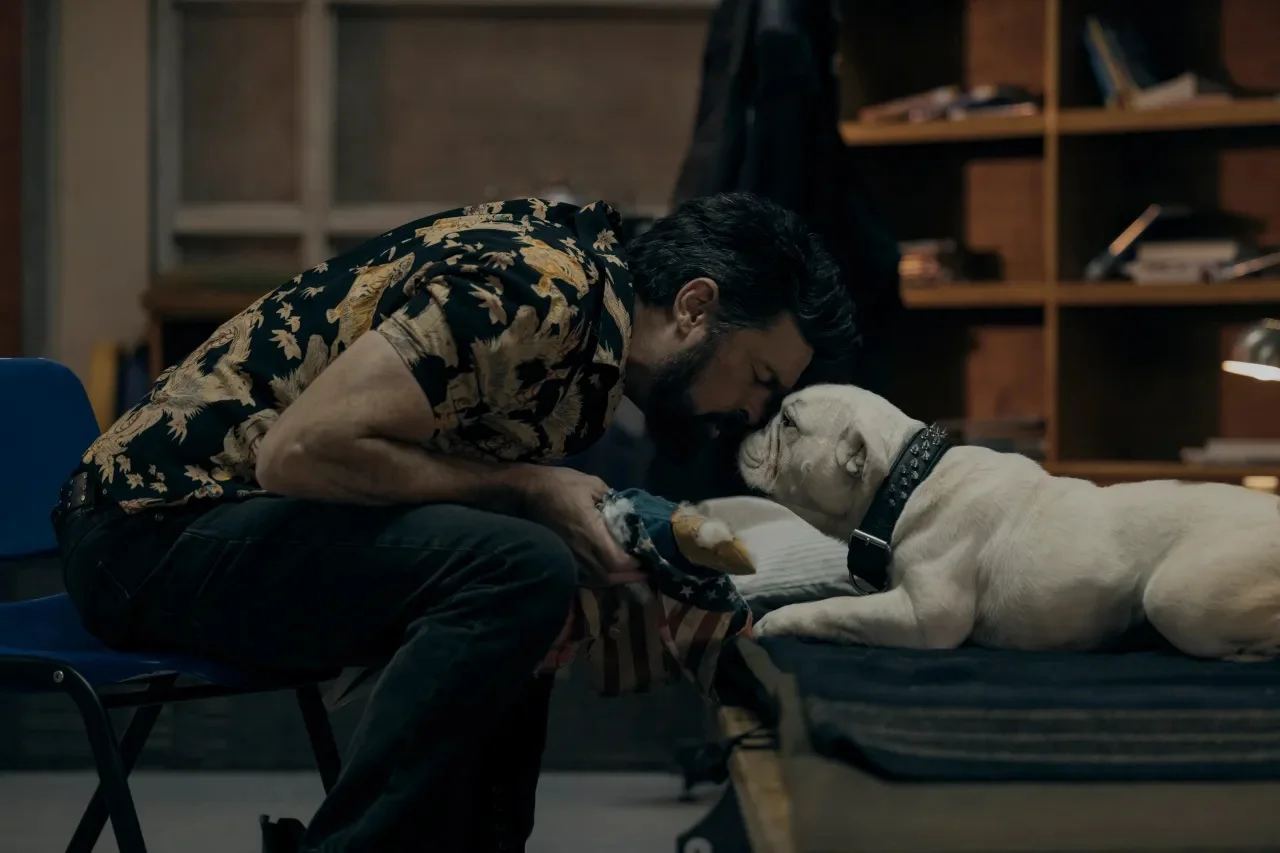
“The Boys” Season 5: Karl Urban (Billy Butcher) and Terror
As Eric Kripke has often suggested, Homelander’s greatest weakness is not physical—it is psychological. His inability to admit fear, loneliness, or doubt renders him fragile in ways that brute strength cannot compensate for. After all, he does think that he’s not like the rest of humanity. “I’m stronger, I’m smarter, I’m… better. I AM BETTER!” he exclaims.
Together, Butcher and Homelander form the core engine of “The Boys.” Not because they are opposites, but because they are reflections. These are two men shaped by trauma, defined by obsession, and convinced, in their own ways, that they are right.
Fracturing The Minds of The Boys
If Butcher represents escalation, then Laz Alonso’s Mother’s Milk represents a resistance that feels futile. For four seasons, M.M. has served as the group’s moral anchor, bound by the belief that there is a “right way” to fight a wrong. But in the final stretch, we (along with him) aren’t so sure anymore.
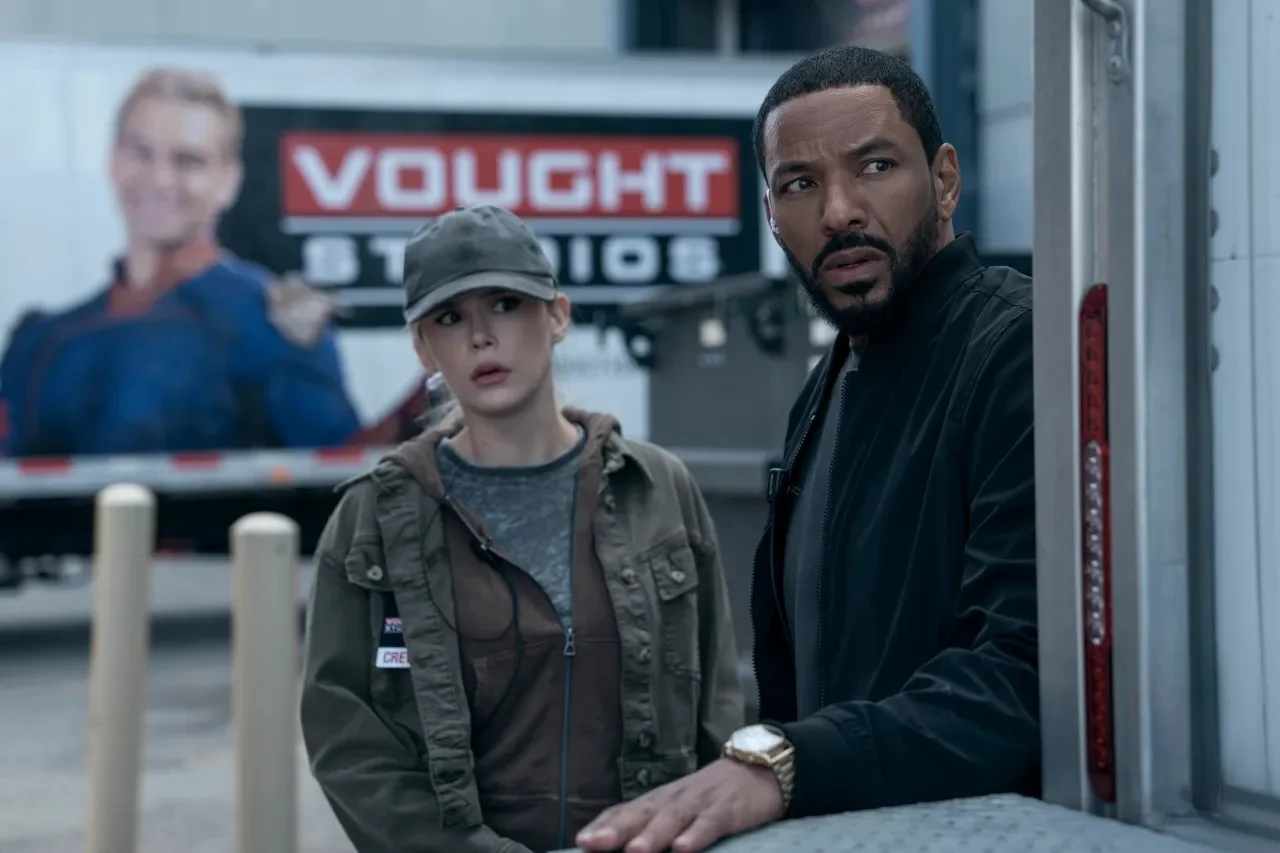
“The Boys” Season 5: Erin Moriarty (Annie January/Starlight), Laz Alonso (Mother’s Milk)
“I think M.M. has gone on a journey from hope and optimism to basically becoming cynical,” Alonso says. It is a shift born of watching systems remain intact despite every attempt to dismantle them. “He’s starting to believe that no matter how much you may fight for the right thing, somehow, some way, evil continues to survive.”
There’s a loss of faith in the mission. Do the Boys’ actions even matter here? Maybe the mission was never winnable. For M.M., the trauma is no longer just the fight; it’s the futility of it all. “I enjoyed the scenes where he realises that no matter how hard he tries, he’s not going to be able to fix everything,” Alonso adds. “There are moments this season that reinforce that.”
Of course, it’s not going to be that easy. The fight never is. And sometimes, doing the right thing can take so much out of someone.
It’s Redemption, Baby
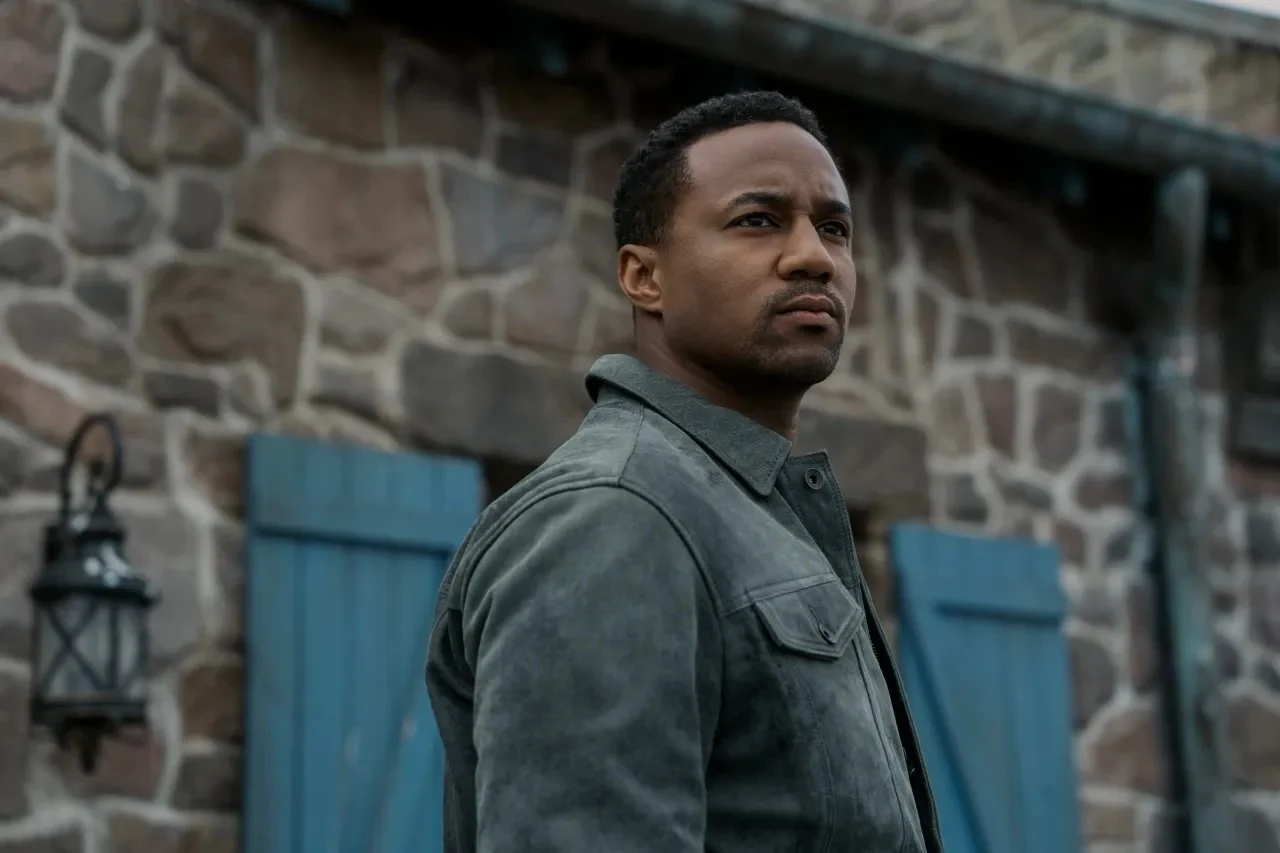
“The Boys” Season 5: Jessie T. Usher (A-Train)
Across five seasons, “The Boys” has quietly evolved into a study of identity—specifically, whether a person can actually outrun their own nature.
Nowhere is this more evident than with A-Train, baby! When we first met him, he was the poster child for Vought’s ego and addiction—actively harmful and largely indifferent to the lives he shattered. Well, in the first couple of seasons, he’s been largely apathetic to Hughie’s plight and, of course, to what he inadvertently did to him. But the show has slowly stripped away the Vought branding to reveal a man caught in a moral vacuum.
“My favourite thing to hear is when people say they hated him at first, but now they’re rooting for him,” Jessie T. Usher says. That shift isn’t a “redemption arc” in the classic sense; A-Train isn’t suddenly noble—he’s just finally awake. “You’re supposed to despise him in the beginning,” Usher explains. “He’s not a hero; he’s just a guy in a suit. The fact that we’ve stripped him of the suit and made him human—that’s what matters.”
Nevertheless, Usher is quick to note that growth hasn’t killed A-Train’s desperation to be the best. And that still remains his flaw, in a certain sense. “If A-Train is up against others, he’s going to do the unthinkable to have an edge.” Second best doesn’t quite sound as good.
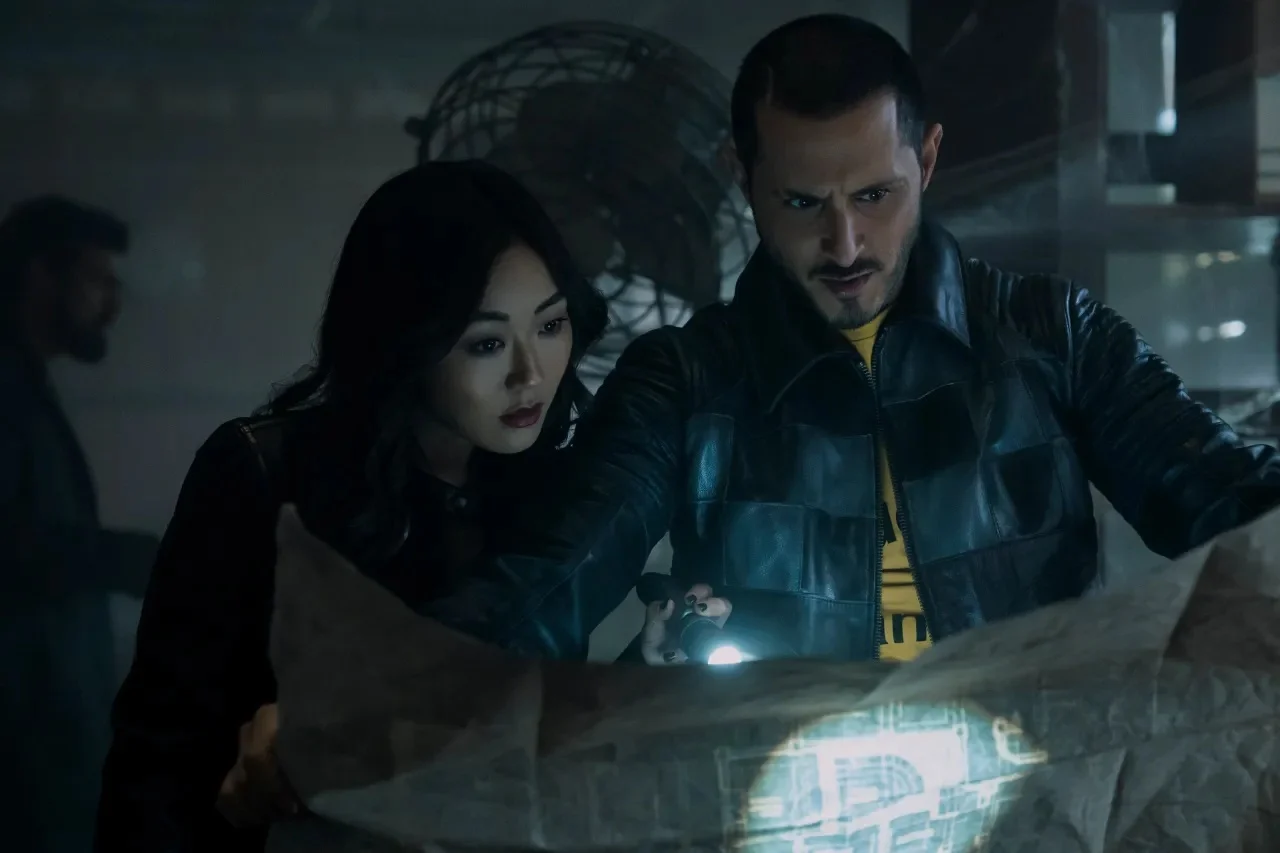
“The Boys” Season 5: Karen Fukuhara (Kimiko), Tomer Capone (Frenchie)
While A-Train’s journey is loud and high-stakes, Kimiko’s evolution operates on a profound, internal level. For four seasons, her “voice” was defined by her silence—a weaponised presence shaped by pain.
Kimiko finally threw that weight off her vocal cords in the Season 4 finale, shattering years of silence with a scream as the Supes hauled the Boys away. This season, she completely flips the script on her silent demeanour.
“I’d like to think that Kimiko has always had a voice,” Karen Fukuhara reflects. And this is further enhanced by the fact that Kimiko is much more talkative with her peers. “This season, you’ll see her figuring out what’s acceptable to say and when,” Fukuhara explains.
The Last Good Thing in A Messed-Up World
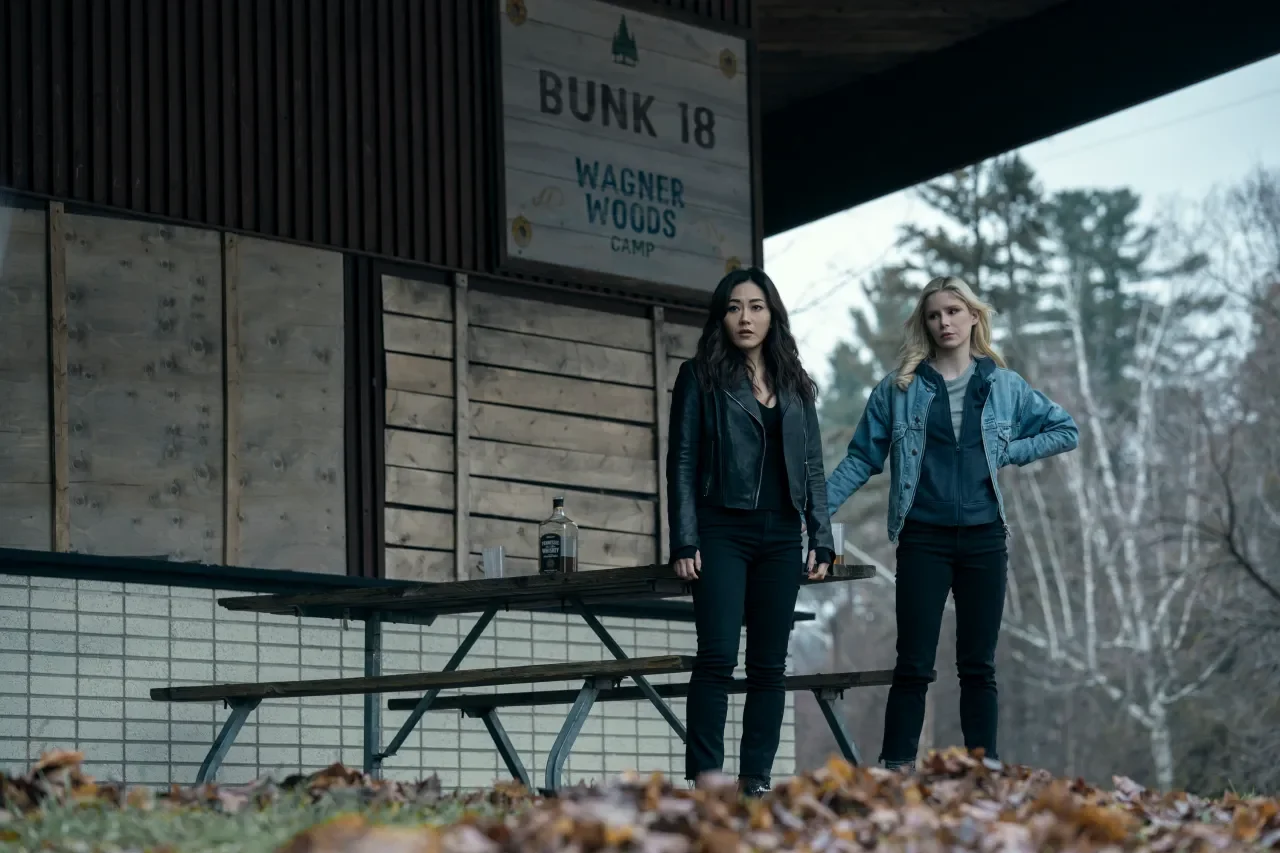
Amidst the exploding heads and corporate satire, Hughie Campbell and Annie January remain the emotional core of “The Boys”. They aren’t the heart of the show because they are “good,” but because they are the only characters who still believe in the quiet, trivial parts of being alive.
From the start, Jack Quaid and Erin Moriarty have played these roles as our audience surrogates. “They found each other during really tough times,” Quaid says. “They helped each other back up and gave each other hope.”
However, Season 5 introduces a new, sharper kind of friction. For Annie, the trauma of her life as a “Supe” has begun to curdle into a fear of her own influence.
“She doesn’t necessarily believe she’s going to be a good presence in Hughie’s life,” Moriarty explains. It’s a sophisticated psychological turn: she isn’t pulling away because she loves him less, but because the stakes of that love have become paralysing. “The more love there is, the scarier it feels.”
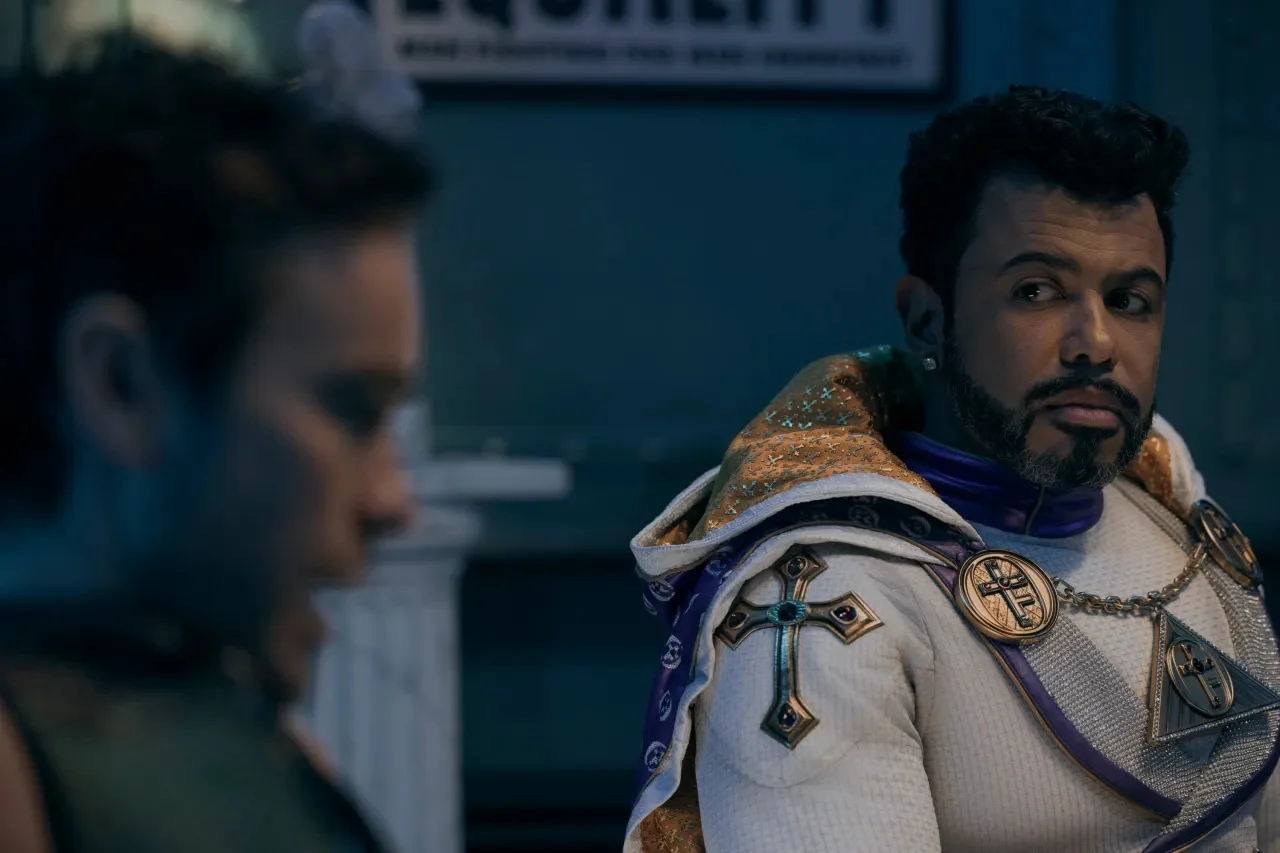
“The Boys” Season 5: Daveed Diggs (Oh Father)
While the show is famous for its massive set pieces, Quaid and Moriarty both point to the smallest moments as the most vital. Moriarty specifically recalls the Season 2 car ride where they belted out Billy Joel’s “We Didn’t Start the Fire.”
“We often think of love as this huge, romantic gesture,” she says. “But it’s the trivial moments that cause you to fall for someone.” For Quaid, that moment was the ultimate character beat: “For Hughie, realising someone else loves Billy Joel—it feels like kismet.”
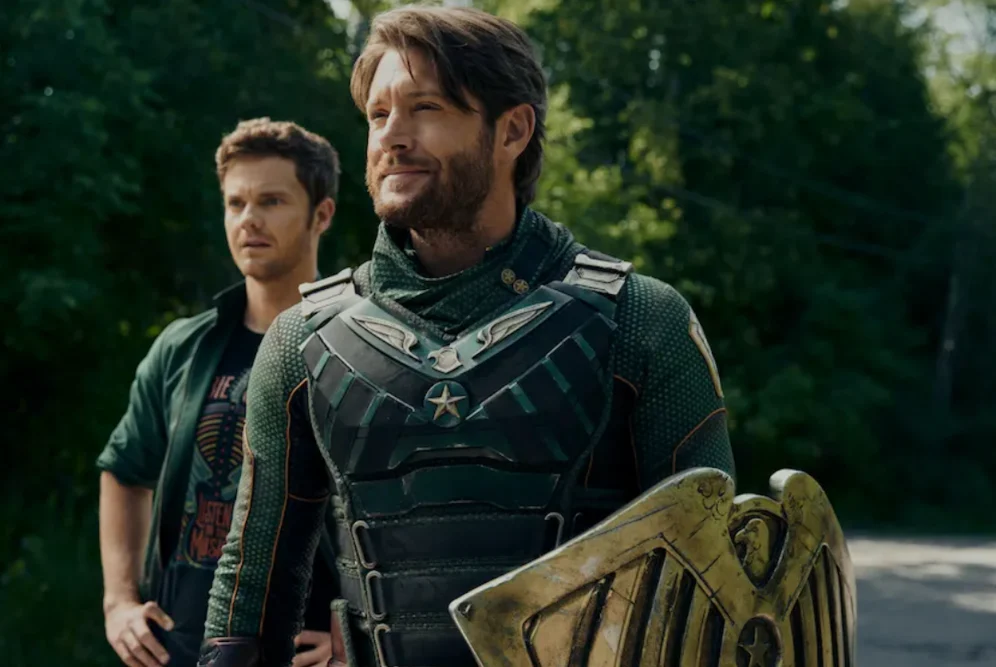
“The Boys” Season 5: Jensen Ackles (Soldier Boy), Jack Quaid (Hughie)
In the hyper-violent diabolical reality of “The Boys”, these mundane connections are the ultimate acts of resistance. They remind the audience that beneath the Vought branding and the Compound V, there is still something human worth saving.
Final Words on A Final Season
As “The Boys” approaches its final curtain, its legacy is already ossifying into something far more significant than “the violent superhero show.” It challenged the very foundation of the genre it’s in. Where the industry once thrived on moral clarity, this show introduced a terminal ambiguity. Where power was framed as a gift, Kripke reframed it as a systemic liability.
Ultimately, the show’s greatest achievement was its ability to rein in the absolute craziness and double down on all of it. Every “batshit” moment served a higher purpose: exposing systems of control, interrogating the hollow nature of celebrity, and forcing us to confront uncomfortable truths about the world we actually inhabit.
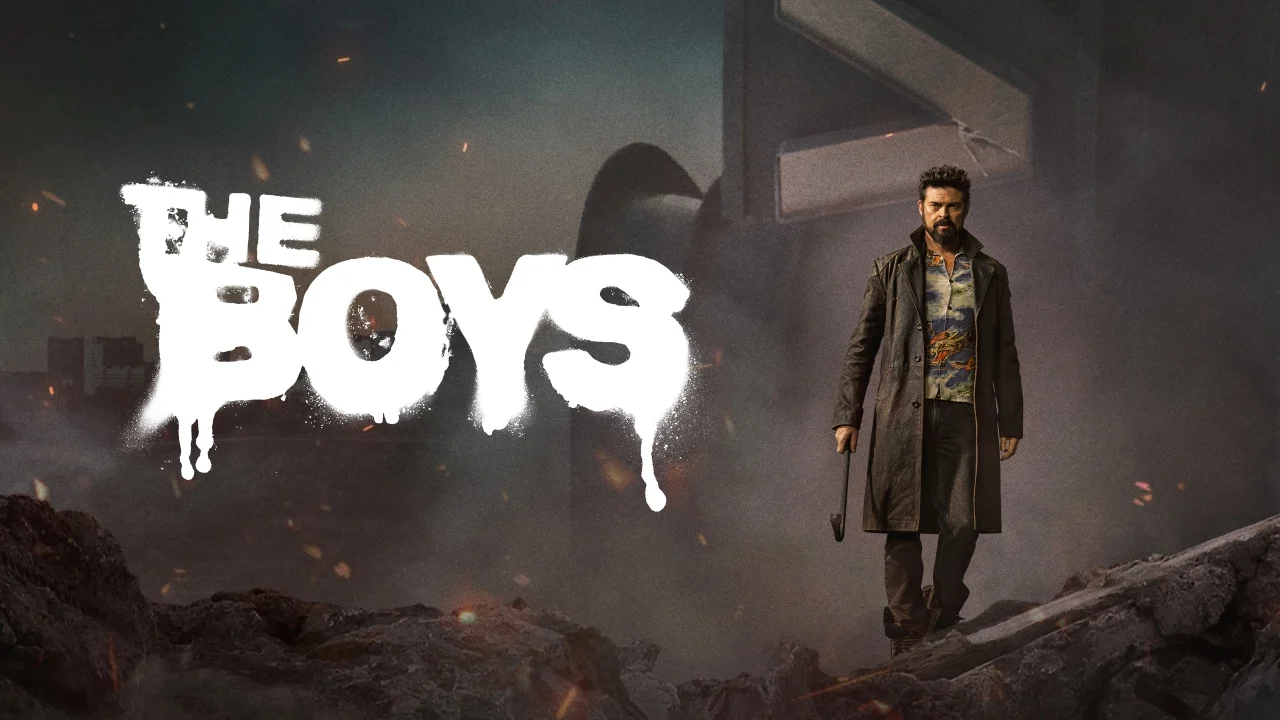
For Karl, the takeaway he hopes audiences carry forward even as the show closes is the sheer, unbridled audacity of the ride. “The fun and the wild, crazy, ‘batshit’ moments,” he says. Those moments will undoubtedly endure—they are, by design, impossible to forget.
Yet beneath the chaos lies a quieter, more grounded gratitude. Colby reflects on the connection with the audience: “The fact that people watch our show is a gift. We just hope that the story stays with them.”
It likely will. Long after the final frame of Season 5, “The Boys” will remain what it has always been: a story not simply about heroes or being superpowered, but about the nature of power—who has it, who abuses it, and the staggering cost of fighting back, all while showing the darkest and most whimsical facets of life in a pizza pie…