
Drawing over 100,000 people across two weekends, Coachella began in 1999 as a pushback against skyrocketing concert prices. Founded by Paul Tollett and Rick Van Santen, it started as a rock-focused, anti-Woodstock alternative– affordable, safe, and music-first. Back in 2001, tickets were just $65, with headliners like Weezer and Fatboy Slim.
Since then, it’s grown into something much bigger. No longer a niche for rock fans and hippies, Coachella is now a full-scale cultural production, with tickets upwards of $499 and a guest list that includes celebrities, brands, influencers, and fashion’s elite. As we wrap up weekend one of Coachella 2026, let’s look at some of the standout moments from this year’s Coachella Valley Music Festival.
Source: Korea JoongAng Daily
This year’s line-up didn’t just deliver on star power; it thrived on shared moments. Across stages, artists leaned into collaboration as a way to elevate their sets, blur genre lines, and create something more dynamic than a solo performance. Whether it was surprise guest appearances, cross-generational link-ups, or cinematic staging that brought in actors and narrative elements, Coachella 2026 felt less like a series of individual acts and more like a conversation between artists. It set the tone for a weekend where the most memorable moments weren’t about who performed but who they brought with them.
Sabrina Carpenter kicked off her Broadway-style headlining set with a cameo from Susan Sarandon, playing an older version of the star. Fans were transported to “Sabrinawood” for a full hour and a half, complete with a Hollywood Walk of Fame and a full water show. It was big, campy, theatrical, and exactly what we’ve come to expect from the Short n’ Sweet singer. Her setlist leaned into newer, viral moments like “House Tour” and “When Did You Get Hot,” leaving out older fan favourites like “Nonsense” and “Fast Times.”
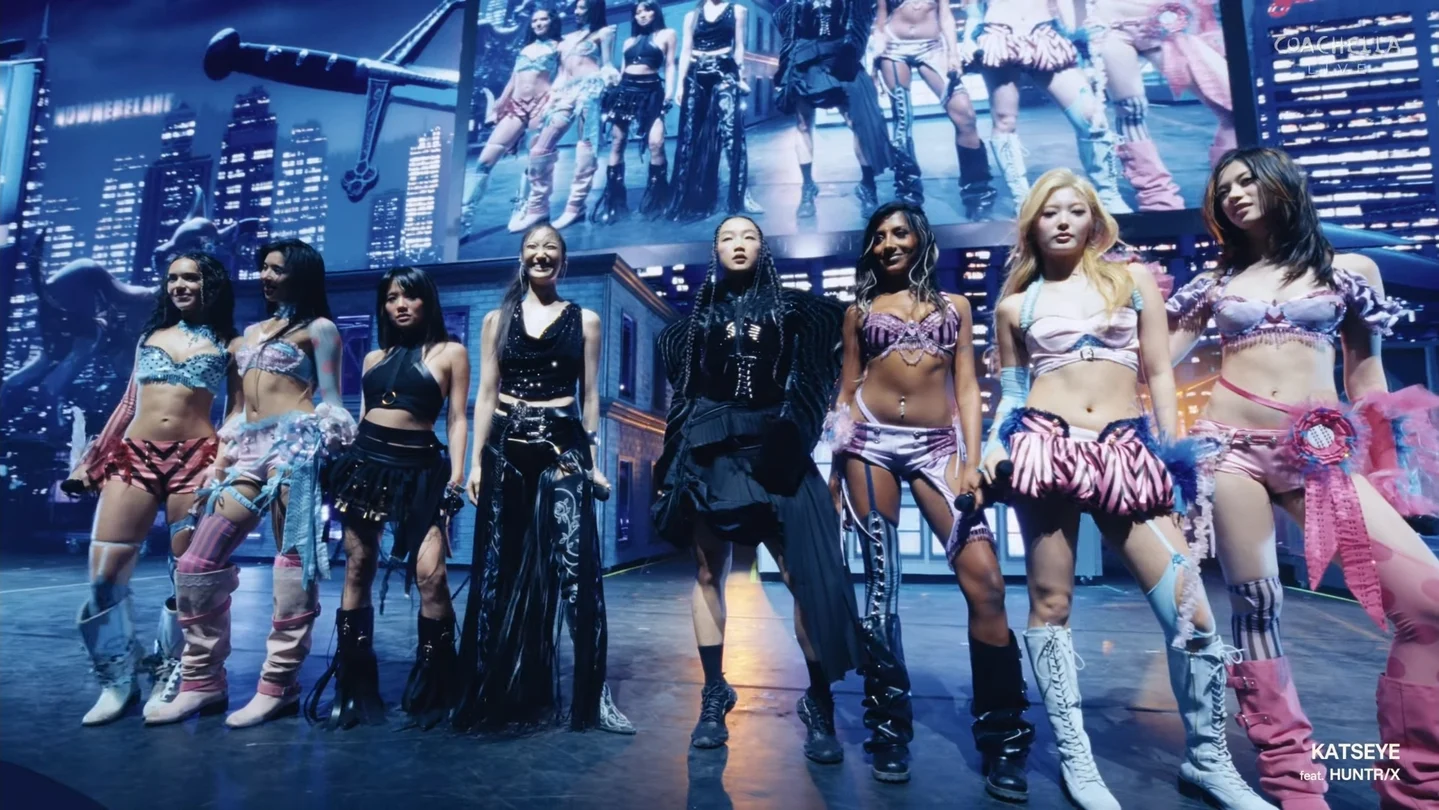
Saturday also saw KATSEYE’s Coachella debut. They opened with their new single “Pinky Up,” performed sans Manon Bannerman, who was later spotted in the crowd supporting the group. Midway through, they brought out HUNTR/X to perform “Golden” from the K-pop Demon Hunters film, a collaboration that felt natural given their overlapping fandoms, and added a refreshing new dimension to KATSEYE’s sound.
Back on the Coachella stage, The xx returned for the first time in eight years. Jamie Smith, Oliver Sim, and Romy Madley Croft, dressed in their signature all-black, opened with “Crystalised” as if no time had passed. While the group has been on hiatus, none of them have been idle; Jamie xx remains a festival staple, Romy stepped into her own with the club-driven “Mid Air”, and Sim explored darker, minimalist sounds with “Hideous Bastard.”
Their return was a reminder of just how timeless they are. It’s hard to imagine artists like Billie Eilish without the blueprint The xx laid down. Closing with “Intro,” they proved that stepping away doesn’t diminish legacy– it refines it.
Over at the Mojave Tent, Ethel Cain delivered one of the weekend’s most haunting performances. The Florida-born singer set the tone early with a billboard on the road to the festival reading, “Go see Ethel Cain or the Devil will get you,” a nod to old American highway signage. Her performance of “Ptolemaea” was eerie and electric, with fans calling her “the epitome of disturbs the comfortable, comforts the disturbed” and it’s hard to disagree.
Saturday kept the momentum going with more standout sets. Addison Rae continued her evolution from TikTok dancer to one of pop’s most divisive, and interesting, figures. Her Coachella set leaned fully into camp: Moulin Rouge-esque, unapologetically 2000s, and hyper-referential. Opening with “Diet Pepsi,” she moved through tracks like “Obsessed” and “Money Is Everything,” complete with a faux money boa and high-energy crowd moments.
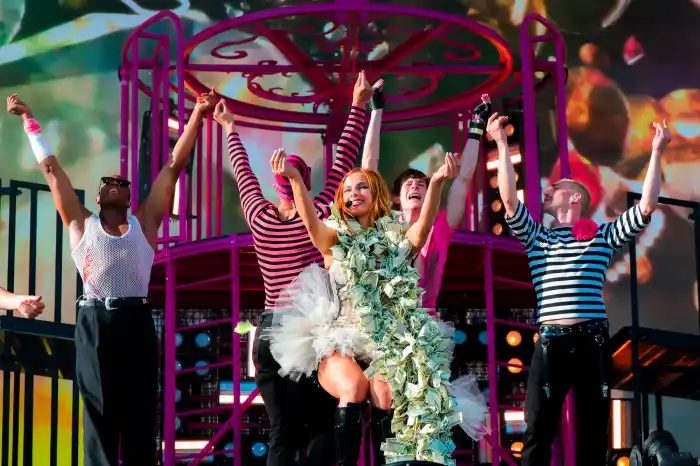
The choreography was just as varied; TikTok punchiness met belly dancing, vogue, and even a contemporary routine featuring Maddie Ziegler. Love her or not, Rae is clearly tapped into the pulse of pop culture– and maybe we’re just catching up.
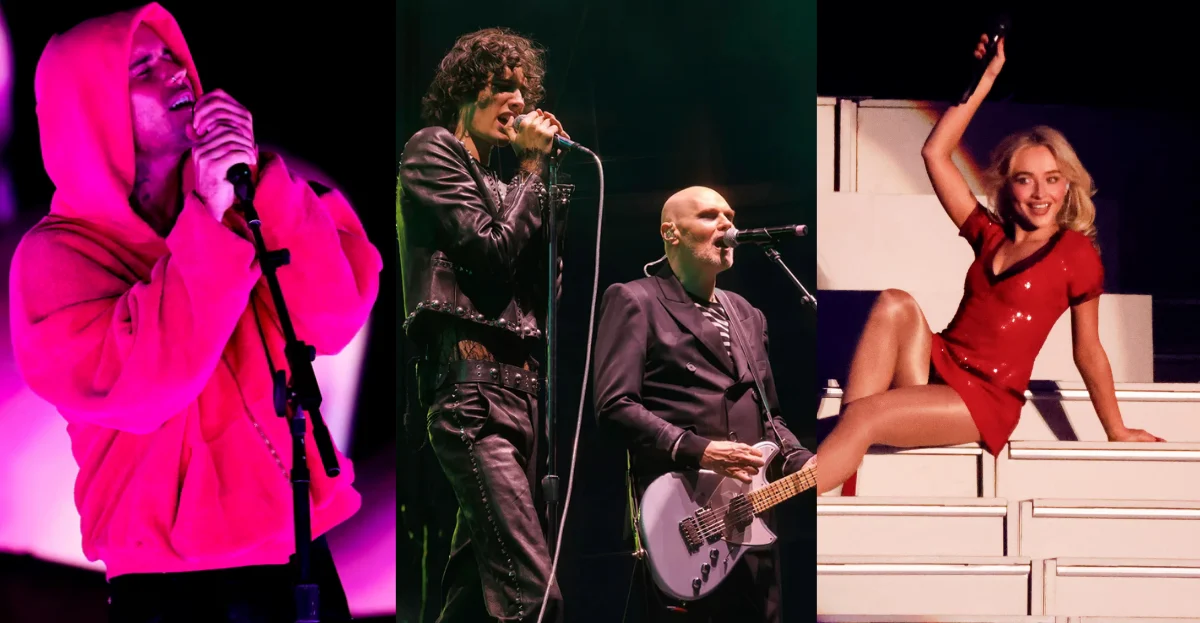
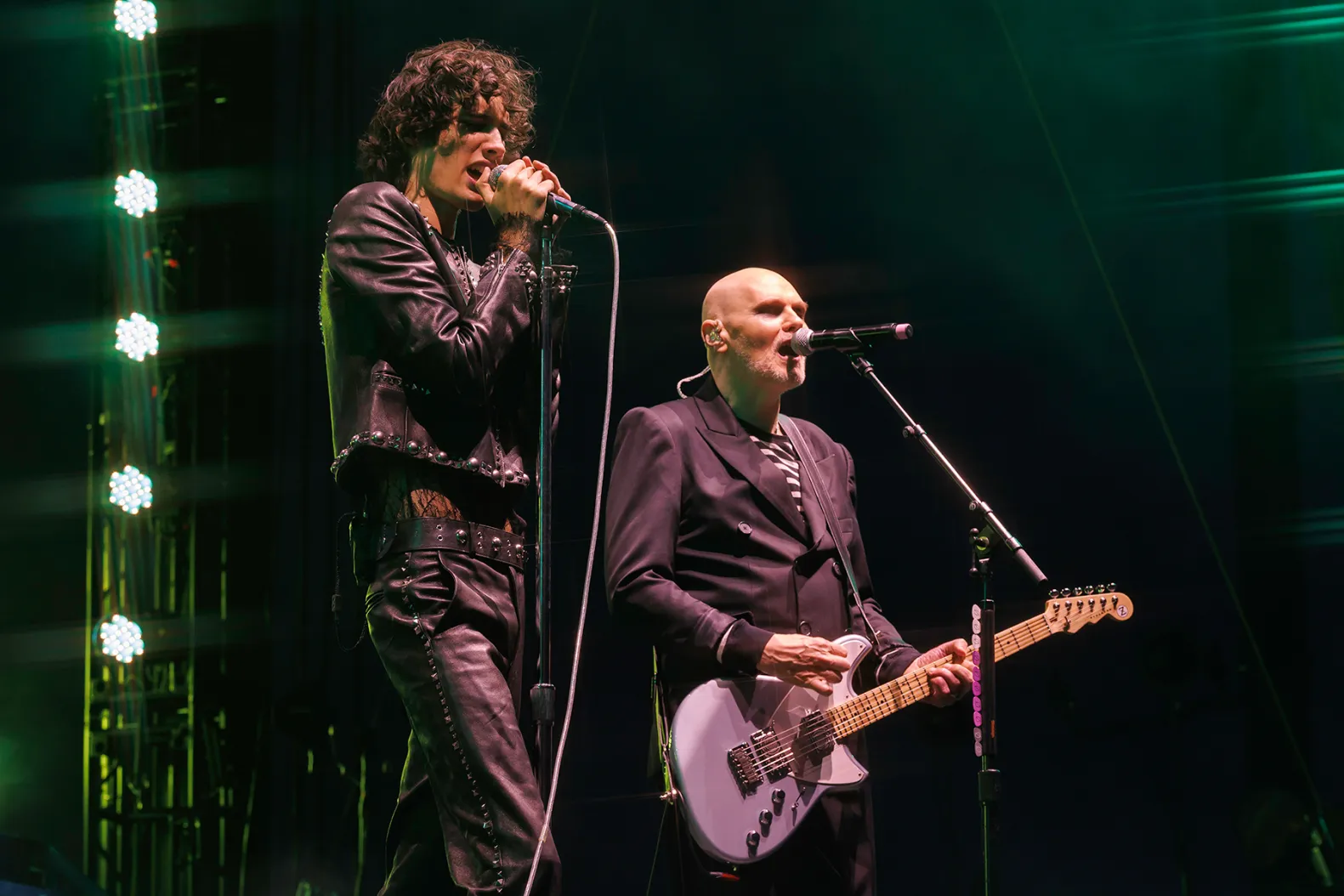
One of the most coveted time slots, the Outdoor Theatre at sunset, went to sombr, who drew a massive crowd spilling across the grounds. Kicking off with “Homewrecker,” he moved through a set that leaned into his alternative roots before bringing out Billy Corgan of The Smashing Pumpkins for “1979.”
The collaboration felt effortless, bridging generations in a way that more young artists are embracing– think Olivia Rodrigo bringing out Robert Smith at Glastonbury. It’s a reminder that these moments don’t just celebrate influence, they introduce it to entirely new audiences.
Source: Rolling Stone
Speaking of legends, The Strokes returned to the stage for the first time in 15 years since their 2011 headline slot. Mixing their latest single “Going Shopping” with classics like “Someday,” “Last Nite,” and “The Adults Are Talking,” the band proved they’ve only gotten tighter with time.
Frontman Julian Casablancas joked that their role this year was simply to warm up the stage, telling the crowd, “I wanna thank you for fulfilling our lifelong dream of opening for Justin Bieber.”
And finally Bieberchella 2026.
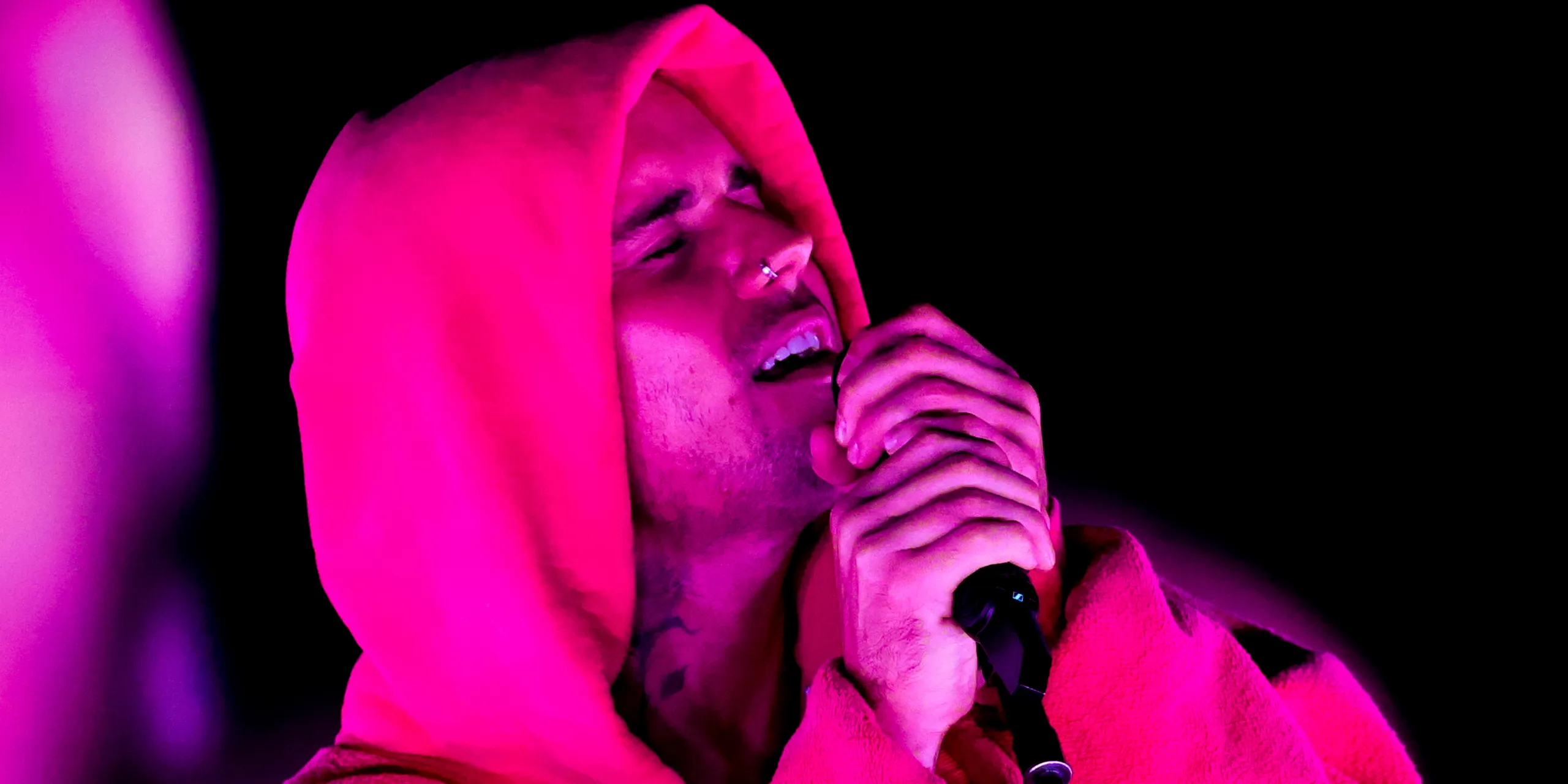
Justin Bieber’s return to the Coachella main stage marked his first major live performance since cancelling his 2022 tour due to health issues. Fans went in with questions: would he lean into nostalgia or focus on new material?
The answer was both, delivered in the most unexpected way.
Bieber opted for a stripped-back, almost minimalist setup– a stark contrast to the high-production sets surrounding him. He opened with tracks from “SWAG I” and “SWAG II”, mirroring the intimate setlist from his Troubadour show earlier this month, before pausing to give a soft shoutout to his wife and son: “Hailey, babe, hallelujah. Baby Jack, hallelujah.”
Then came the shift.
Source: People
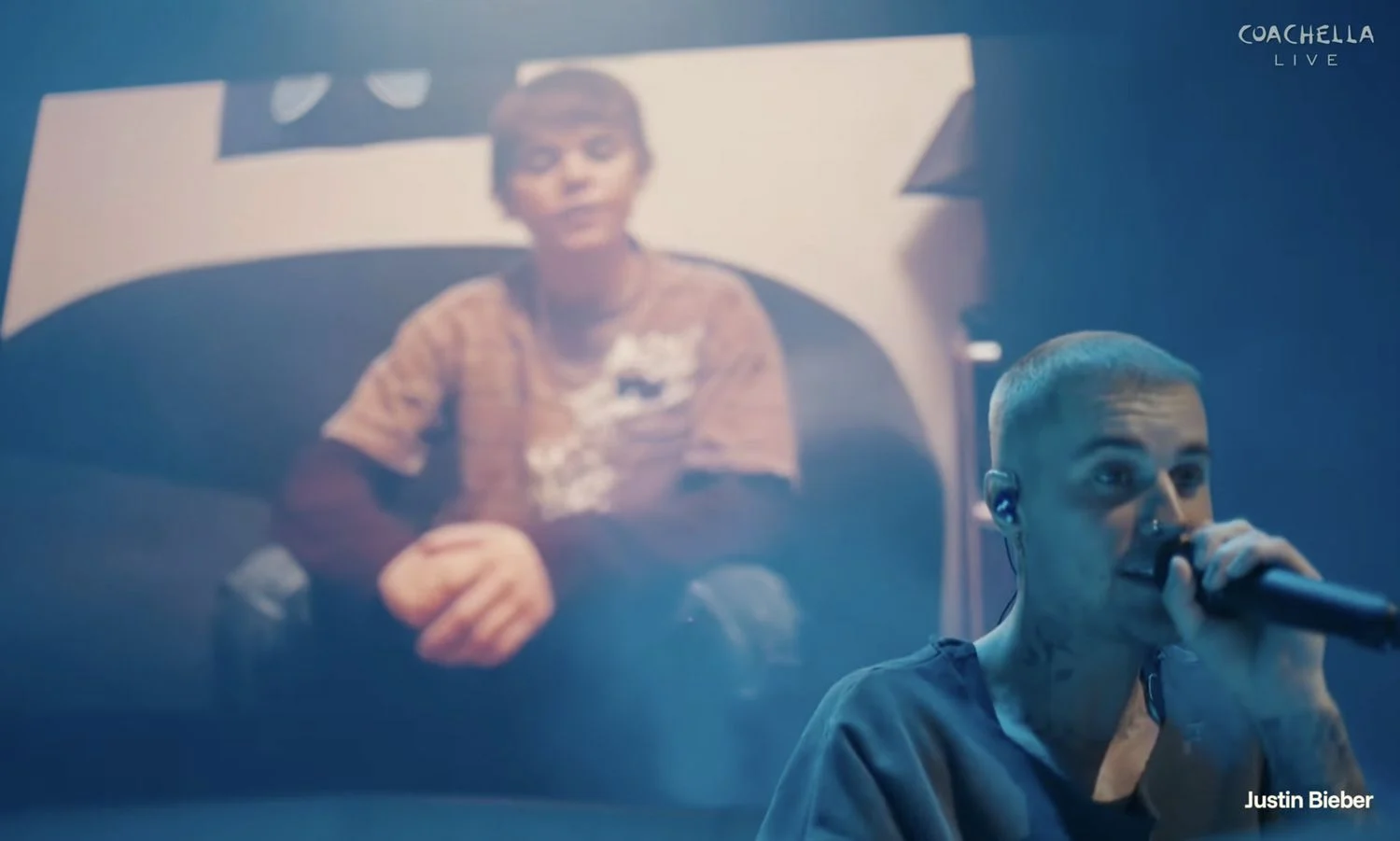
A laptop opened, Bieber launched into his biggest hits: “Beauty and a Beat,” “Sorry,” “One Less Lonely Girl” with his old YouTube videos playing behind him. In a moment that felt both meta and emotional, he harmonised with clips of his younger self, even revisiting early covers like Chris Brown’s “With You” and Ne-Yo’s “So Sick.”
It was experimental, nostalgic, and divisive. Some called it powerful performance art, a moment of healing for both Bieber and the fans who grew up with him. Others saw it as underwhelming, even lazy.
But regardless of where you land, one thing is undeniable: Bieber still has it. Selling out both weekends in just a few days, his pull remains unmatched. Nostalgia is a powerful thing, and heading into weekend two, it’s clear that Bieber fever is very, very real.