


Batik Air and YeePay, one of China’s leading payment service providers, have signed a strategic Memorandum of Understanding (MOU) to strengthen connectivity between China and Malaysia through integrated digital payment and air ticket distribution solutions.
The collaboration supports growing travel demand between the two countries and complements the opportunities created by the China–Malaysia mutual visa-free arrangement and Visit Malaysia 2026. It also reflects a shared commitment to making journeys to Malaysia more accessible and convenient for visitors from China, while reinforcing Batik Air’s role as a key airline connecting China with Malaysia and the wider ASEAN region.

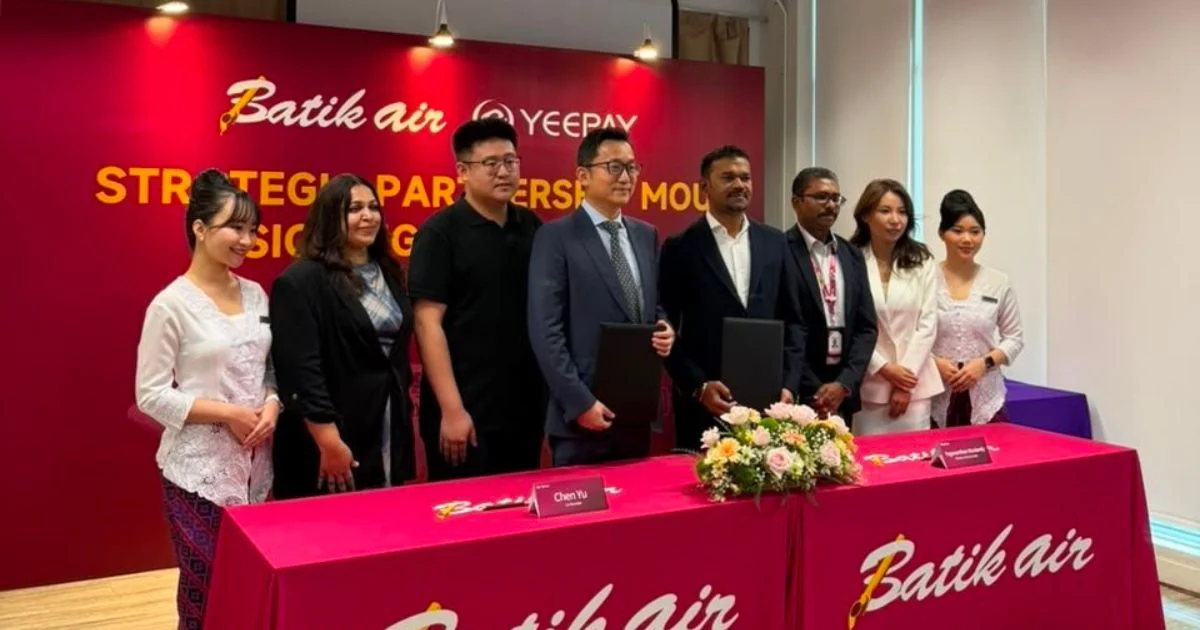
China remains one of Malaysia’s most important tourism source markets, with visitor arrivals continuing to grow following the introduction of mutual visa-free travel. As travel habits become increasingly digital, consumers are seeking familiar payment options, convenient booking channels and a seamless experience from planning through to arrival.
Batik Air currently operates scheduled direct services from Kuala Lumpur to more than 10 destinations across China, including Shanghai and Guangzhou, providing strong connectivity for both leisure and business travellers. Through this strategic alliance, YeePay will strengthen Batik Air’s digital payment capabilities and expand its presence across China’s travel distribution network, making it easier for travellers to discover, book and visit Malaysia.
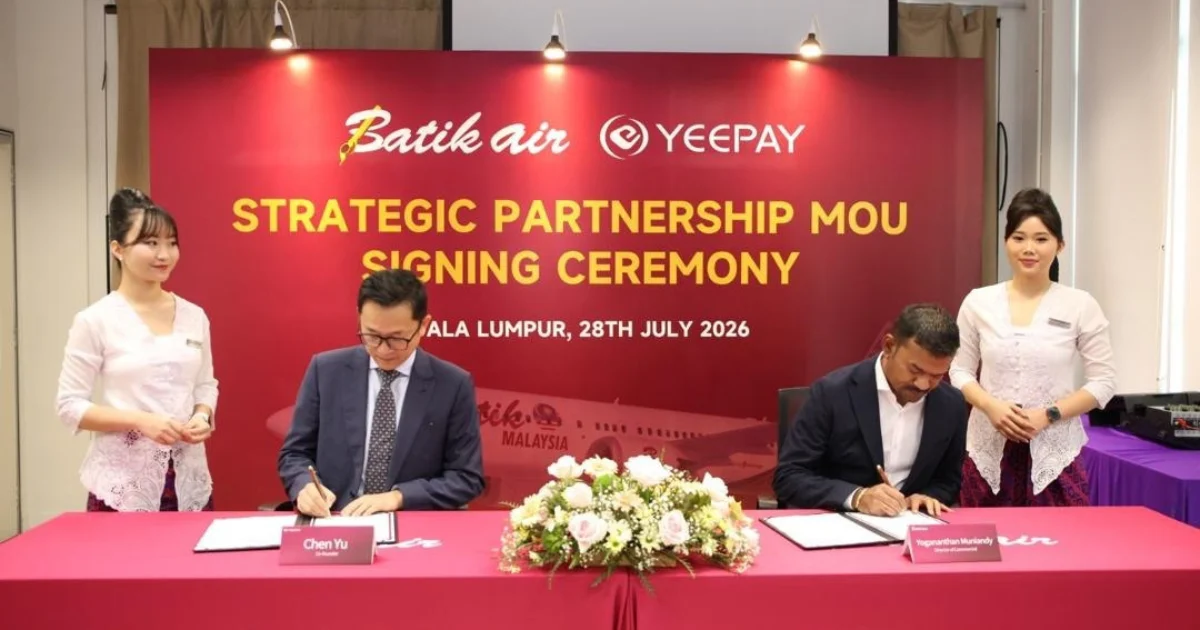
The initiative is expected to enhance the overall booking experience while supporting Batik Air’s continued growth in one of its most important international markets. It also supports Malaysia’s tourism objectives under Visit Malaysia 2026 by improving digital accessibility and encouraging stronger visitor flows from China.
Looking ahead, both parties see significant opportunities to deepen cooperation as regional connectivity continues to strengthen through closer economic ties and initiatives such as the Regional Comprehensive Economic Partnership (RCEP). Together, they aim to build a smarter travel ecosystem that supports sustainable tourism growth and strengthens connectivity between China, Malaysia and the wider ASEAN region.

Batik Air Chief Executive Officer, Datuk Chandran Rama Muthy said that China continues to be one of Malaysia’s most important tourism markets and the momentum is only getting stronger:
“In the first half of 2025 alone, Malaysia welcomed more than 2.17 million visitors from China, representing a 35.6% year-on-year increase. With Visit Malaysia 2026 on the horizon and stronger bilateral connectivity through the mutual visa-free arrangement, we see tremendous opportunities to make travel even more accessible and seamless for Chinese travellers,
This partnership with YeePay reflects our shared vision of building a smarter travel ecosystem that brings together connectivity, convenience and trusted digital services. By making it easier for Chinese travellers to access Batik Air through familiar booking channels and payment methods, we are creating a smoother travel experience while strengthening our presence in the Chinese market.
As demand for regional travel continues to grow, Batik Air will continue to invest in partnerships that enhance the customer journey, expand market access and reinforce our position as a leading airline connecting China with Malaysia and the wider ASEAN region.”

YeePay Co-Founder, Yu Chen said: “This strategic cooperation between YeePay and Batik Air marks an important milestone in YeePay’s global airline services. Backed by more than 20 years of experience in aviation and travel payments, YeePay will continue to enhance its full-scenario, multi-currency and multi-country digital travel solutions.
We look forward to working with more overseas airlines as they deepen their presence in the Chinese market. Through payment technology, we aim to support stronger travel connectivity between China and Malaysia, as well as between China and Southeast Asia, helping unlock the potential of regional tourism and build a more open and mutually beneficial aviation ecosystem.”