
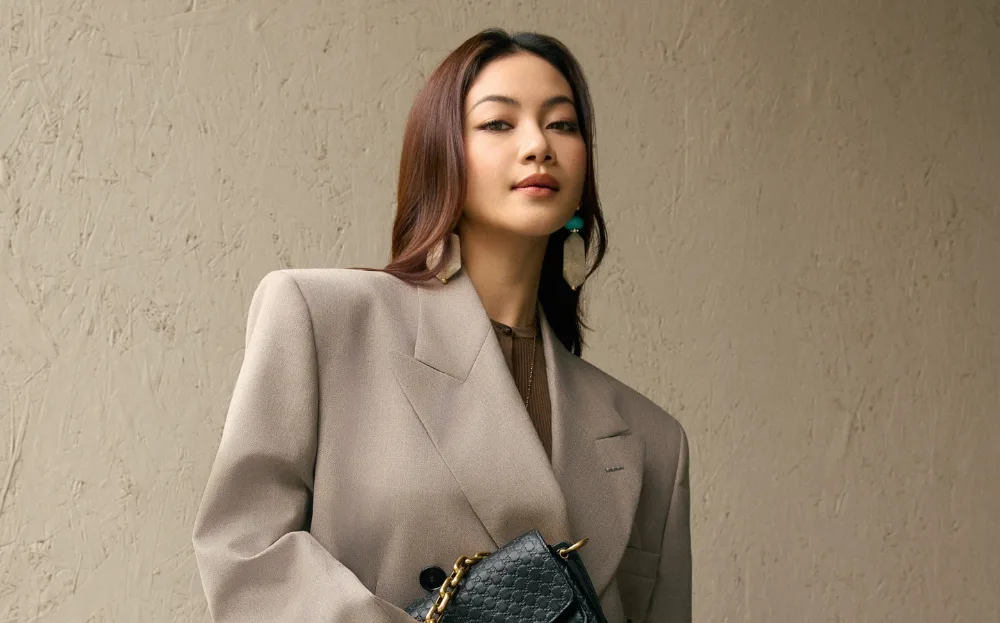
In an age where AI misuse is running rampant, from scams to deepfakes and everything in between, it takes only seconds for a lie to spread wider than the truth. Recently, Daiyan Trisha found herself at the centre of that digital chaos when a fake account began circulating shocking claims about her, complete with stolen photos presented as “proof”.
What started as another case of online impersonation quickly spiralled into something far more unsettling. When falsehoods touch on sensitive issues like religion, especially in a time when manipulated content is becoming frighteningly easy to fabricate, the impact hits twice as hard and Daiyan’s fans weren’t about to let misinformation win.
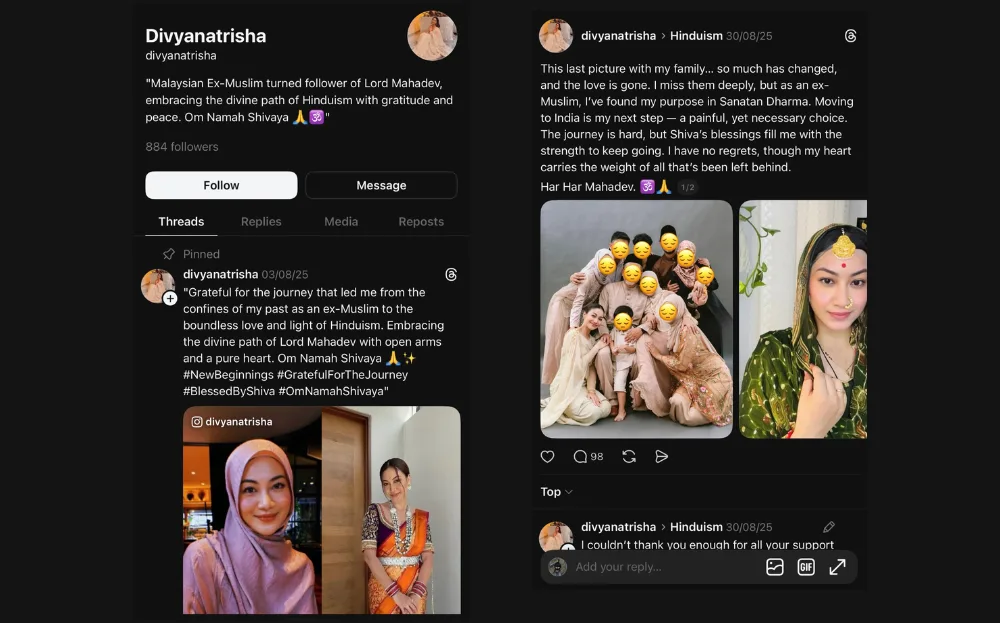
The incident quickly drew attention not only because of the blatant misuse of the singer’s images but also due to the sensitive and inflammatory nature of the claims. According to the user who first exposed the account, the impersonator had been using her pictures without consent while sharing baseless allegations to misled the public. The claims were viewed as harmful, irresponsible, and potentially damaging to the actress’s personal and professional reputation.
Fans expressed their disbelief and anger, describing the false statements as defamatory and deeply insensitive, particularly given the religious undertones. For many supporters, the seriousness of the accusation elevated the matter beyond a typical impersonation case, making it a troubling example of how dangerous online falsehoods can be.
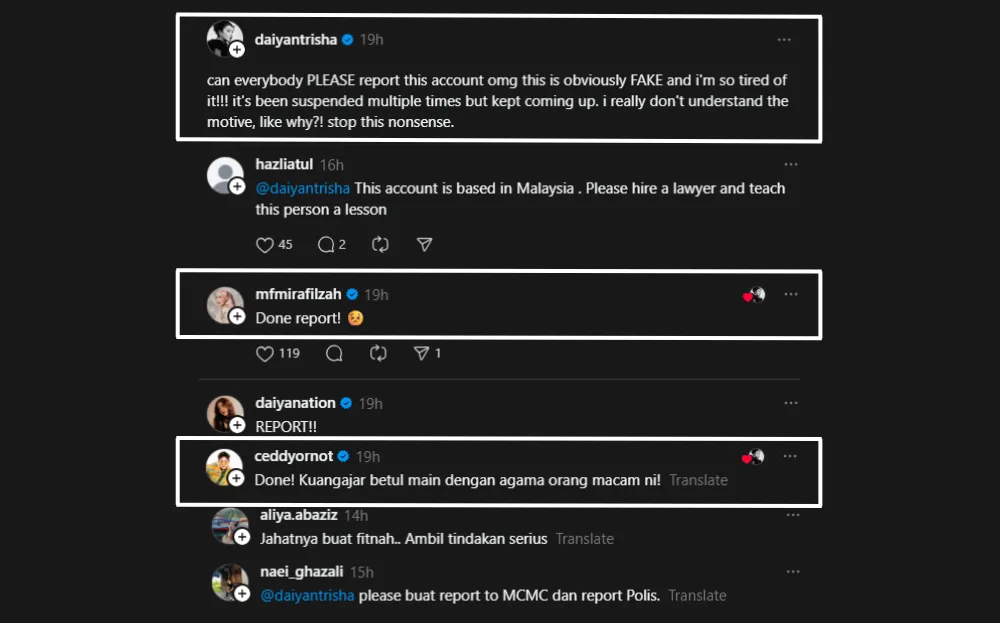
Daiyan herself soon addressed the matter, expressing her exhaustion and disbelief at the persistence of the fake account. “Can everyone please report this account? This is clearly fake and I’m extremely tired!” she wrote on Threads, revealing that the profile had already been suspended multiple times but continued to resurface. She added, “I truly don’t understand what the motive is. Please stop this nonsense.”
While the star has yet to release an official statement, widespread support from her followers continues to surge. Many have united to denounce the false claims and emphasise the importance of protecting public figures from digital impersonation and malicious rumours.