

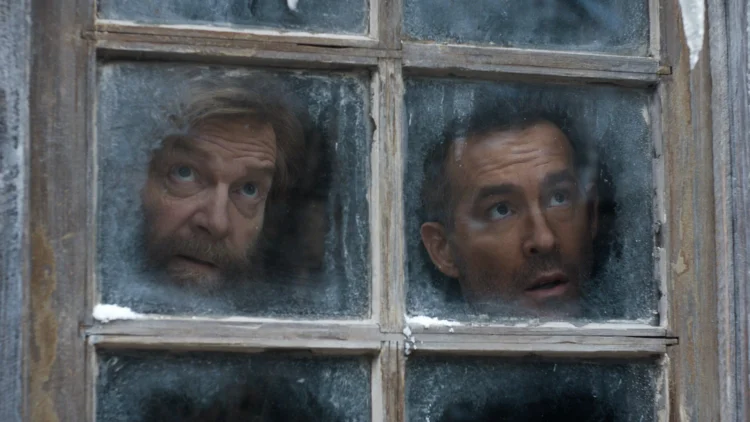
Remember the third act of “Top Gun: Maverick,” when Maverick gets shot down over enemy territory and has to survive behind enemy lines before he can even think about getting home? Remember, too, that the movie never bothers naming the enemy, some nameless, faceless silhouette of a threat that the film never asks you to understand.
“Mayday” essentially builds an entire feature out of that stretch, minus the sexy stuff. No bombing run, no training academy, no sweaty volleyball, no “Great Balls of Fire” juke joint. What’s left is the part everyone forgets to talk about: the getting stuck part.
“Mayday” doesn’t hide where it’s borrowing from either. If anything, it says the quiet part out loud, more than once. “Top Gun” plays at a theatre. Maverick’s poster turns up pinned to a wall. Troy even recounts Goose’s death at one point, just in case anyone missed the memo.
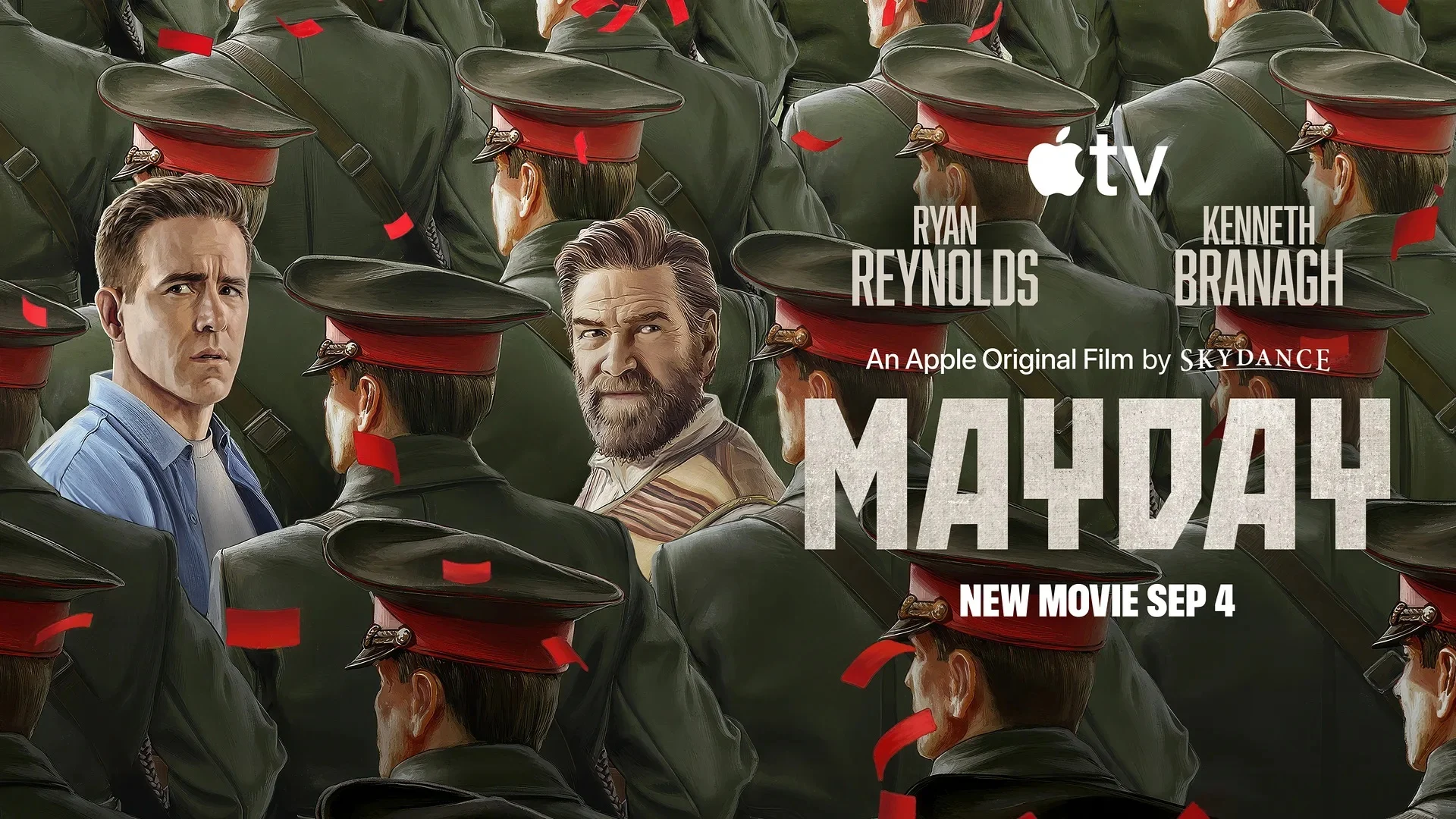
The film opens to Van Halen’s “Jump,” and from there the homage only thickens: cockpit shots with callsigns in plain view, clipped radio chatter volleying between pilots, the works. Set in 1987, a year after the release of the cinematic jingoism that was “Top Gun,” the film features Ryan Reynolds as Lieutenant Troy Kelly, eagerly filling the shoes of Tom Cruise’s Maverick, albeit with his own brand of deadpan humour, a humour here that rarely colours outside the lines of what we’ve seen him do before.
Troy goes rogue to save his wingman’s faulty plane, claims to be the best pilot in his unit, and loves that “Top Gun”‘s popularity means he can queue-jump his way into any club. He applies that same ego and arrogance to his dim perception of Russia and its people. “You can’t reform something that is fundamentally broken,” he says frankly. “It’s not a society, it’s a prison. Silence is complicity.”
Soon he’s enlisted for a covert mission to co-pilot a spy plane, the Lockheed SR-71 Blackbird, to capture images of missile silos 1,200 miles inside the Soviet border. Thanks to an in medias res opening, we already know the operation goes sideways.
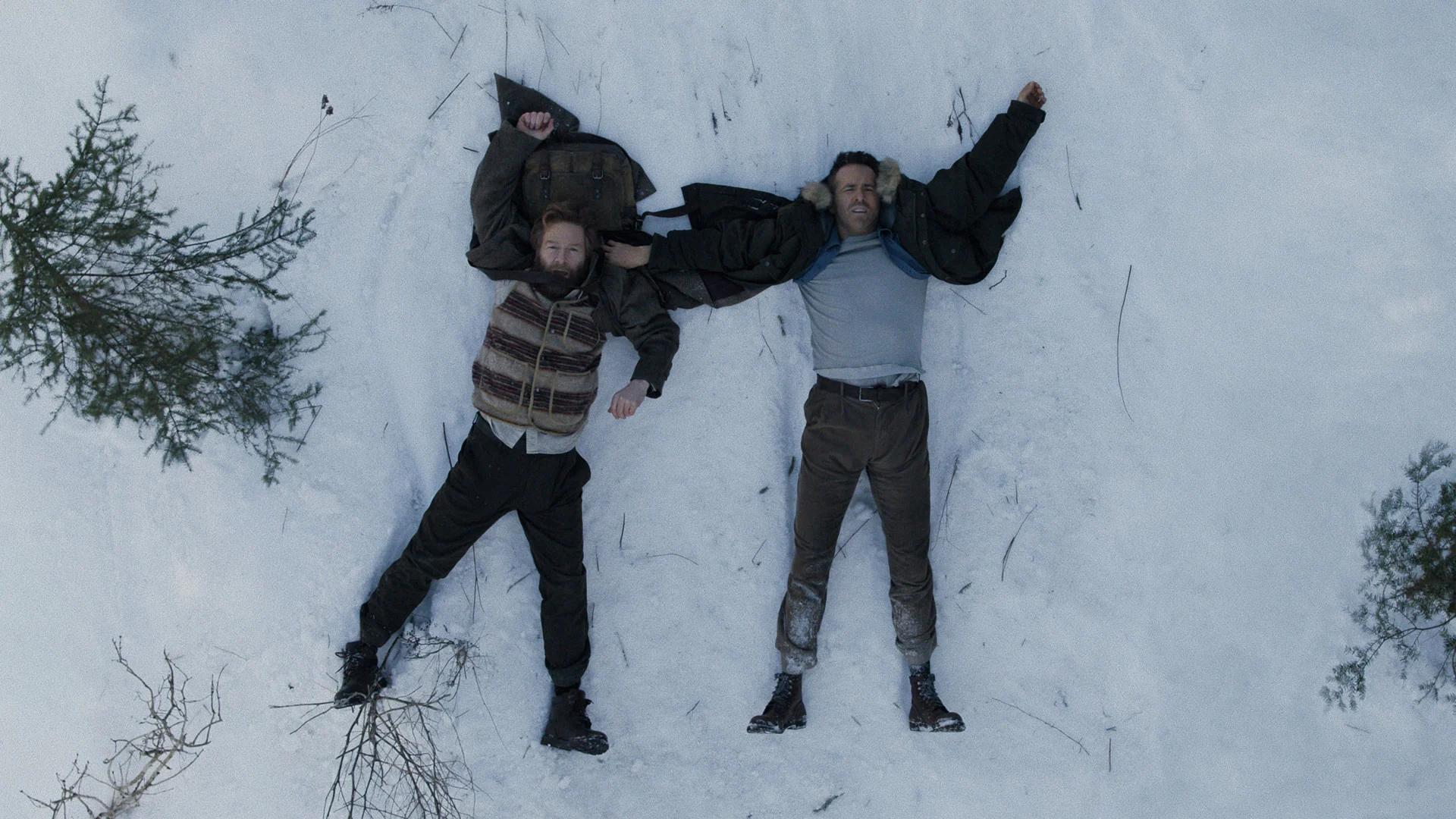
What follows is a genuinely thrilling opener. There’s a sky battle with Russian fighter pilots that ends with the so-called “beast” of a plane torn into fiery debris across a snow-laden forest floor, and Troy ejecting into an equally hair-raising sequence, dodging flaming wreckage as his own parachute catches fire. It’s the strongest set piece in the film precisely because it commits to the danger rather than winking at it. Injured, Troy clocks a mysterious man approaching before he blacks out.
He wakes up in Nikolai Ustinov’s cabin, or “Nick,” as he prefers, and the first thing he sees is Tom Cruise’s face on a “Top Gun” poster pinned to the wall. American militarist propaganda has apparently penetrated the Iron Curtain just fine, and given the film’s refusal to definitively name the rogue nation, it’s easy to understand why it’s Nick’s favourite film.
This marks Kenneth Branagh’s third go at playing a Russian in recent memory, after Viktor Cherevin in “Jack Ryan: Shadow Recruit” and Andrei Sator in “Tenet,” and it’s clear he’s turned it into something of a speciality. He’s magnetic here, delivering a superb deadpan performance underneath a heavy beard, playing Nick less as an eccentric foil to Reynolds and more as a genuine USA superfan.
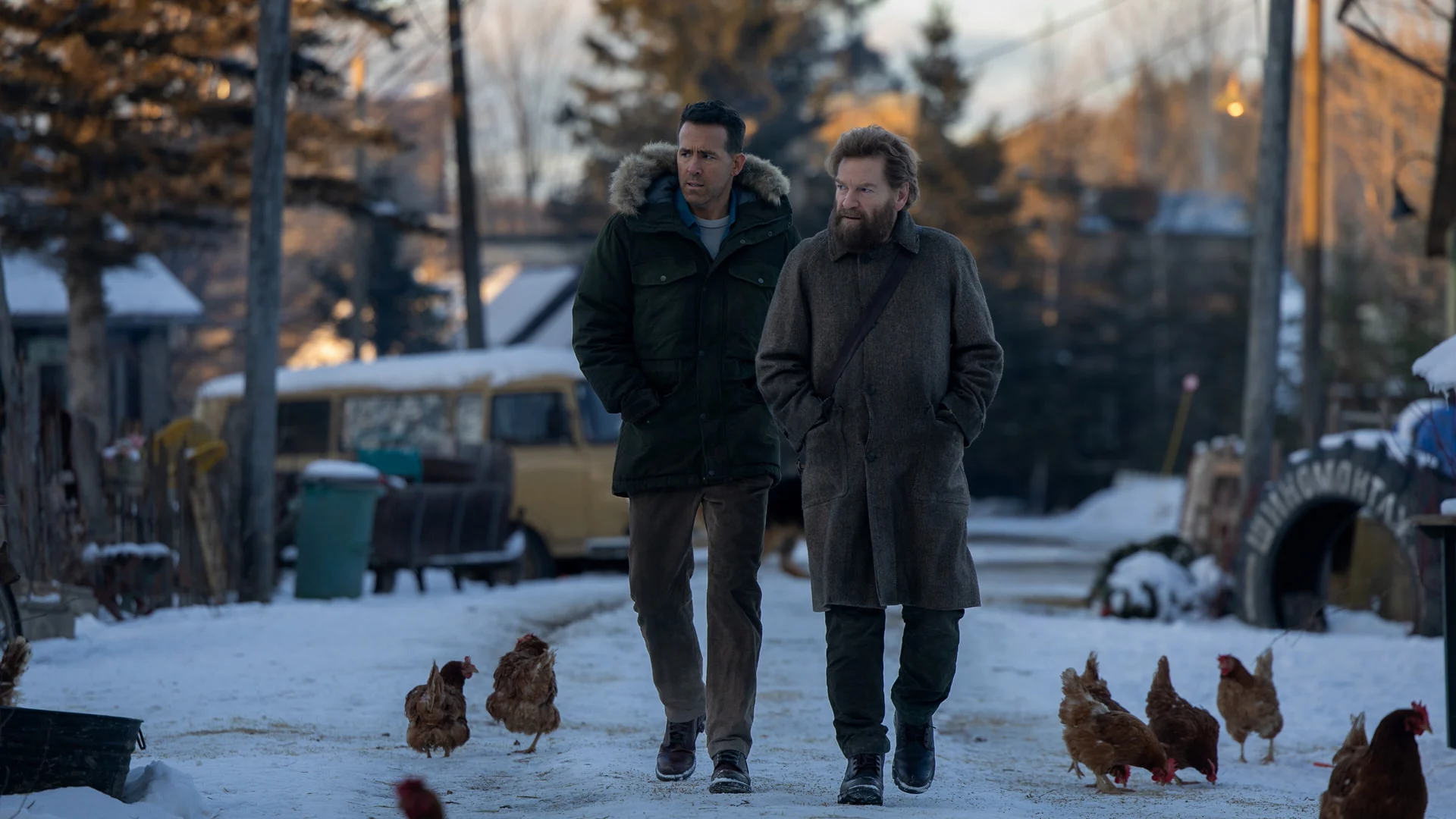
It’s not a throwaway quirk either. Nick idolises the idea of American freedom, looks up to Troy almost on sight, and it’s a real part of why he risks his own neck saving him in the first place. He dreams out loud about burgers and the wider culture, treats “Top Gun” as gospel, and is convinced the US military must run a tighter, smarter operation than anything back home. None of that is entirely true, and the film is careful enough to let Troy’s own assumptions about Russia turn out just as skewed in the other direction. Nick’s admiration is sincere, but it’s also what pushes him toward defection, since aiding an American fugitive leaves him with little choice but to seek asylum once his own side brands him the enemy too.
That earnestness makes it easy to underestimate him, which is exactly the point. Directors Jonathan Goldstein and John Francis Daley, the pair behind “Game Night” and “Dungeons & Dragons: Honour Among Thieves,” clearly relish choreographing Nick’s fight scenes, several of which land among the film’s best, with wide shots and minimal cutting letting Branagh’s physicality actually register.
The standout is a bruising final confrontation with a Russian agent aboard a plane with its door wide open, but there’s also a bar brawl earlier that does the same trick on a smaller scale, letting Nick dismantle a room full of patrons without ever raising his voice.
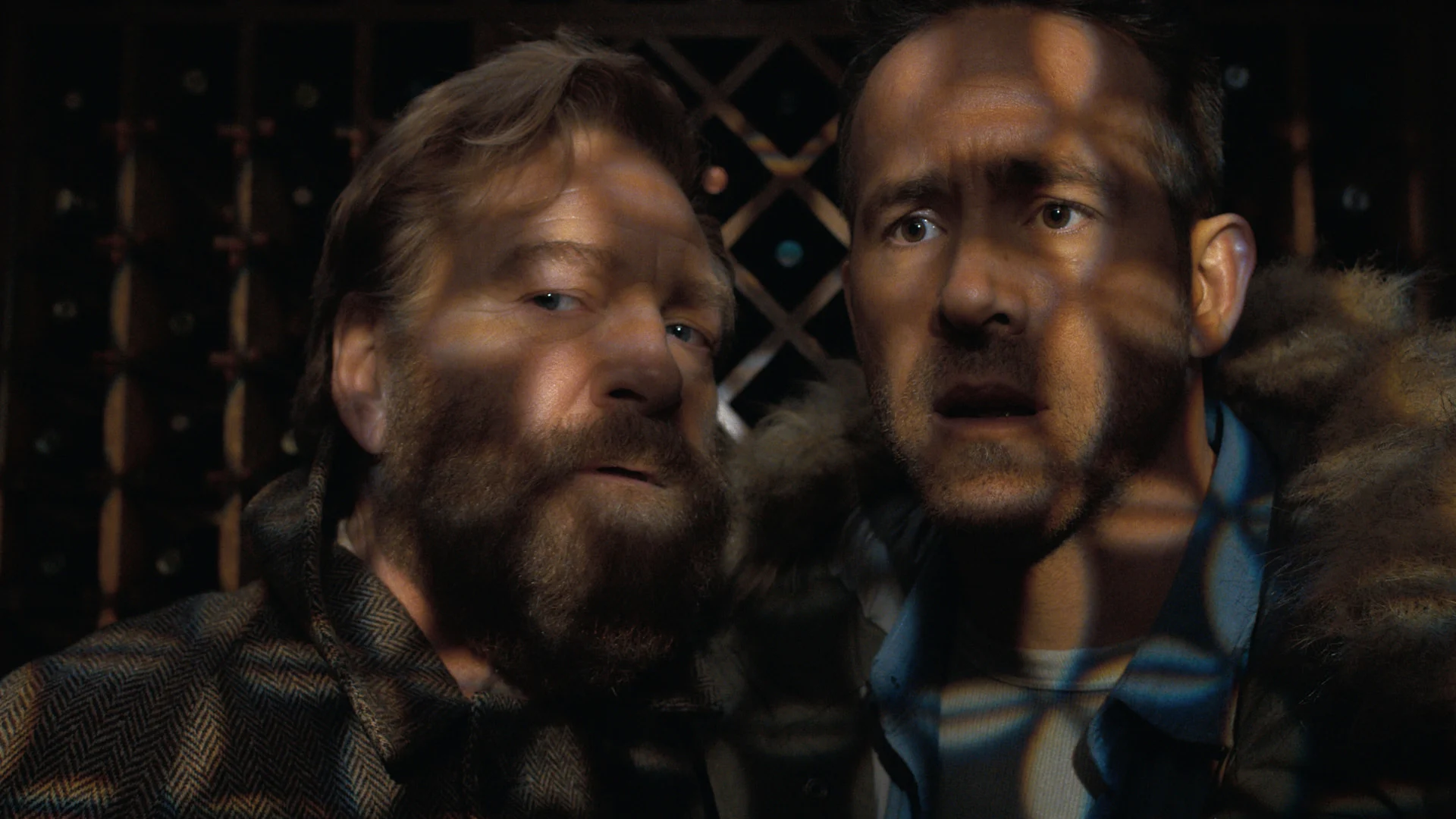
The action doesn’t always stay grounded, and it doesn’t need to. A foot chase through Red Square, doubled by Budapest’s Heroes’ Square with some digital sleight of hand, and a car chase where Nick and Troy commandeer a nuclear missile launcher through central Moscow, both tip into outright bombast and absurdity. That’s exactly the register a movie like this should be swinging for. The stakes get bigger, sillier, and more fun right when the film needs them to.
The camera work deserves a mention too. There’s a recurring trick of shots digitally flowing into or out of glass and reflective surfaces, stitched together fluidly enough that the whole thing stays kinetic rather than choppy. It’s most effective in the earlier fight aboard a train full of Russian soldiers, a sequence that’s genuinely entertaining to watch unfold, not just for the choreography but for how the camera itself keeps the momentum going.
The rest of the film settles into more of a road movie, tracking Troy and Nick’s flight across Russia as fugitives of the state, hunted by KGB official Alexander Volkov (Marcin Dorociński). He’s no Christoph Waltz’s Hans Landa in terms of menace, but he does the job as an antagonist.
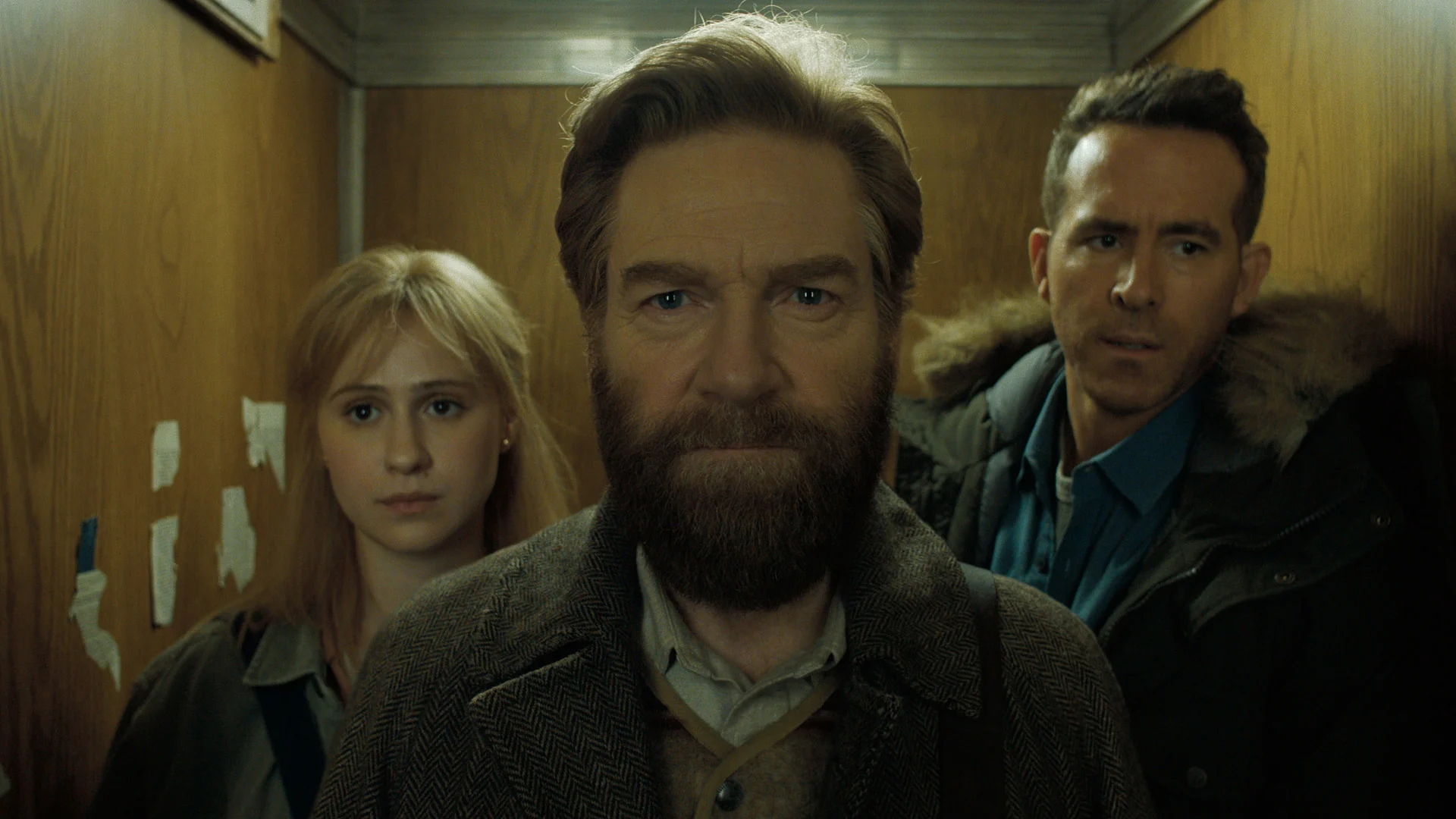
What’s more interesting than the chase, though, is what happens to Troy along the way. Breaking bread with ordinary Russians who take him in, sparring with Nick’s activist daughter Anna (Maria Bakalova), and learning of a government cover-up that hits closer to home than he’d like, Troy’s certainty about his side of the Cold War starts to erode.
Even a detour to a local theatre becomes a quiet vehicle for this, as Troy and his newfound comrades trade a few words on capitalism and communism that don’t resolve into a tidy answer either way. The film’s real thesis sits there: war looks entirely different depending on which side of it you’re standing on, and neither side gets the full picture. It’s a surprisingly clear-eyed idea to smuggle into a studio popcorn movie.
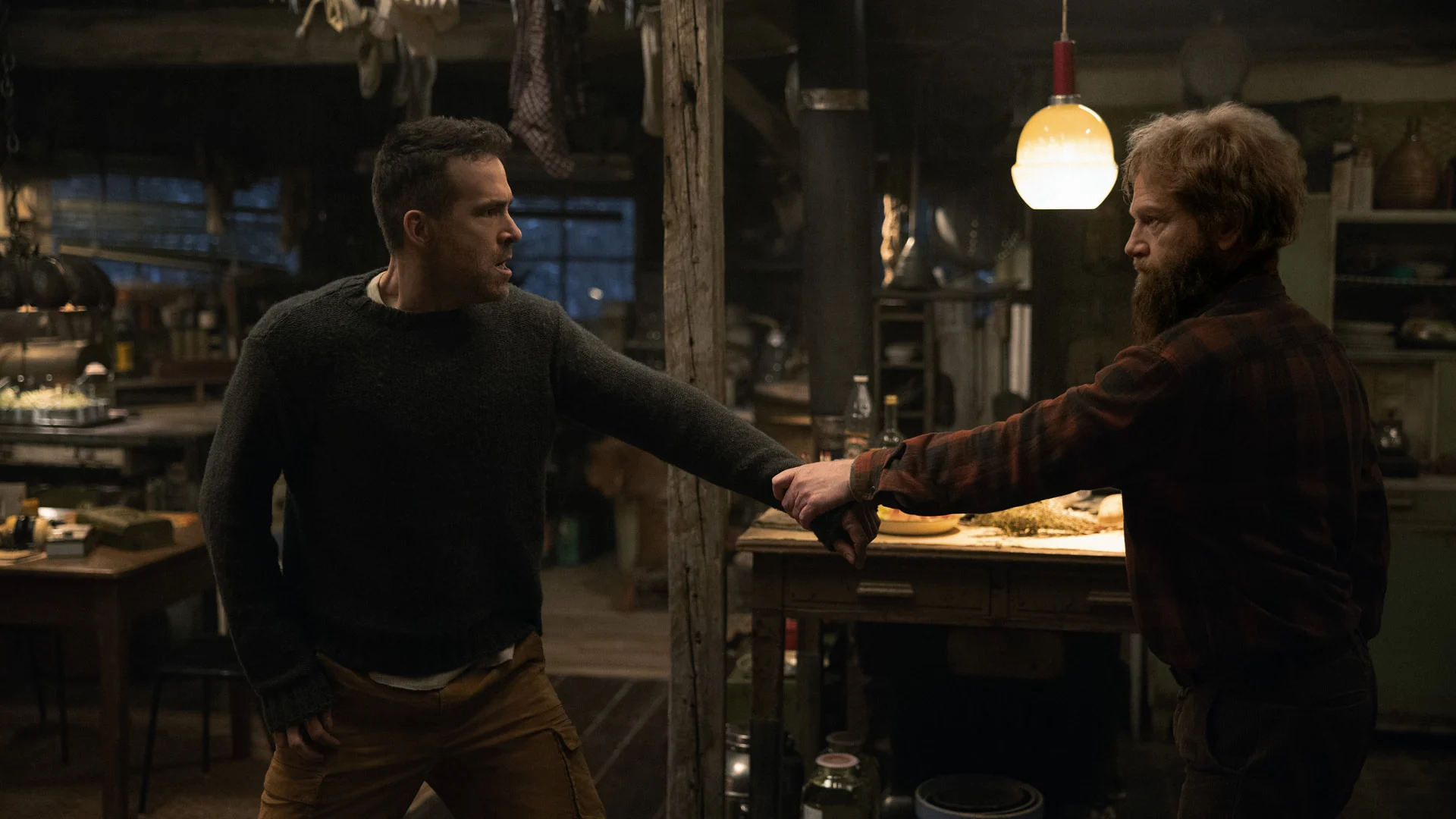
As for the Deadpool of it all, Reynolds’ usual snark is dialled down here, and the film benefits from the restraint, staying in step with the tone it’s actually chasing. What ends up carrying “Mayday” is the odd-couple rapport between its two leads, Branagh’s dry, unassuming warmth playing beautifully off Reynolds’ crack comic timing.
In the end, “Mayday” turns out to be a surprisingly entertaining time on the streamer, one with something genuine to say about war and the propaganda that dresses it up, about how flawed nations and their systems can still hold people capable of real decency. Watching Troy and Nick, and by extension their two countries, meet somewhere in the middle ends up being the film’s quiet, sweet centre.

“Mayday” is currently streaming on Apple TV.
The Review
"Mayday"
"Mayday" takes the getting stranded behind enemy lines part of "Top Gun: Maverick" and somehow makes it the best part. Ryan Reynolds brings the snark, Kenneth Branagh brings the beard and the surprisingly excellent right hook, and together they turn a Cold War fugitive road trip into the kind of odd-couple chemistry Hollywood keeps trying to manufacture and rarely pulls off this well. It's dumb where it counts and smarter than it lets on everywhere else.
Review Breakdown
- Good