Chinese New Year is more than just festive decorations, family gatherings and indulgent feasts. It is deeply rooted in centuries-old traditions and superstitions that are believed to shape one’s fortune for the year ahead. From what you wear to what you do on the first day of the new year, every action carries symbolic meaning.
Whether you are celebrating Chinese New Year with loved ones or simply curious about its cultural significance, understanding these common superstitions offers a deeper appreciation of the festival. Here are some must-know Chinese New Year taboos and practices believed to attract good luck, prosperity and harmony.
1. Open Doors and Windows at Midnight
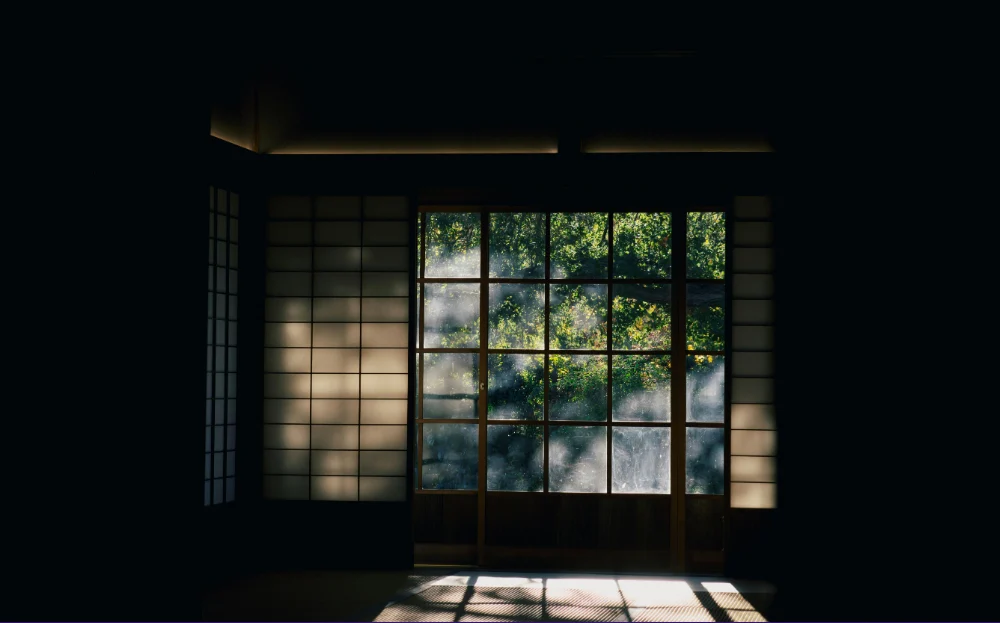
Opening doors and windows at midnight on Chinese New Year’s Eve symbolises letting go of the old year’s bad luck. It also allows fresh fortune and positive energy to enter as the new year begins. This practice represents a clean slate and an optimistic start to the year ahead.
2. Enjoy a Big Family Reunion Dinner
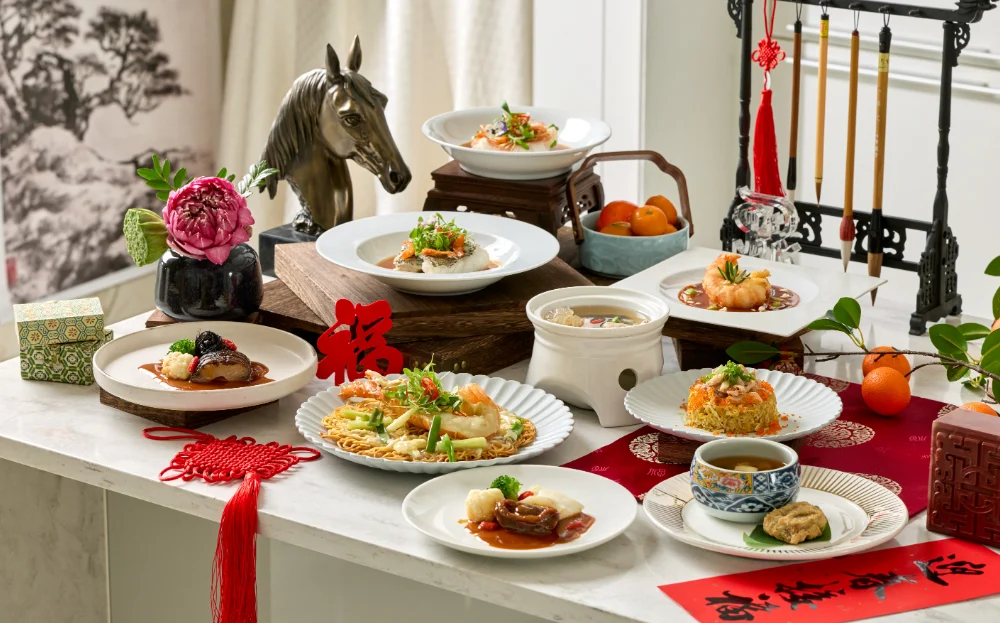
The reunion dinner on Chinese New Year’s Eve is the most important meal of the year, symbolising unity and abundance. Families gather to enjoy dishes with auspicious meanings, such as fish for prosperity, dumplings for wealth and sweet rice balls for togetherness. Sharing this meal strengthens family bonds and sets the tone for a harmonious year.
3. No Washing or Cutting Your Hair
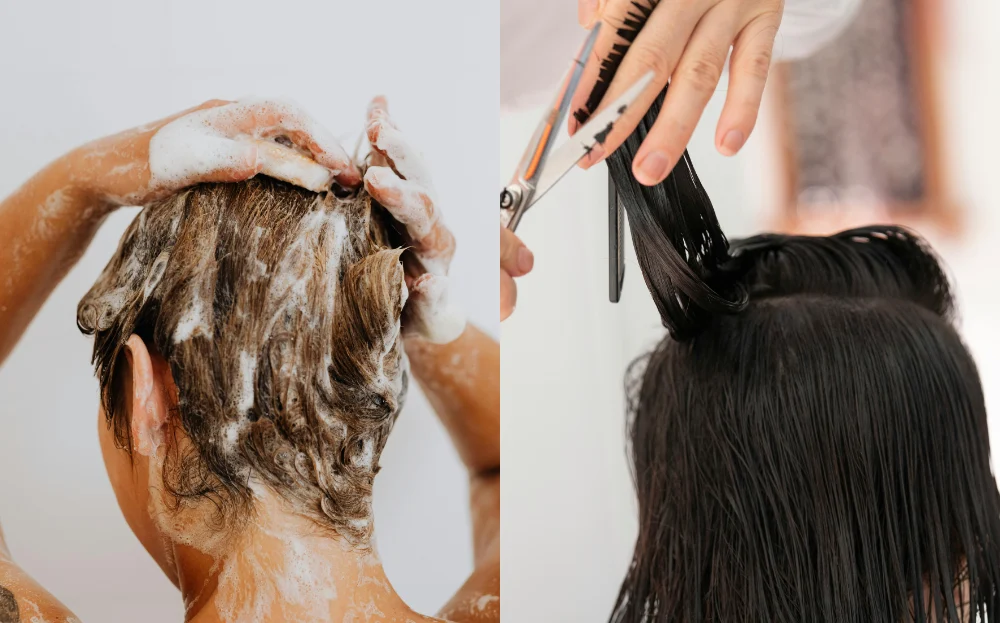
Washing your hair on Chinese New Year’s Day is believed to wash away good luck, while cutting it symbolises cutting off one’s lifespan or fortune. For this reason, many people make sure to get their grooming done before the new year begins. This way, you can start the year looking fresh without risking your luck.
4. Don’t Sweep Your Luck Away

One of the most widely practised taboos is avoiding sweeping or cleaning on the first day of Chinese New Year. Sweeping is believed to remove wealth and good fortune from the household. This explains why many families make it a point to deep-clean their homes thoroughly before the festive season arrives.
5. Avoid Black and White Clothing

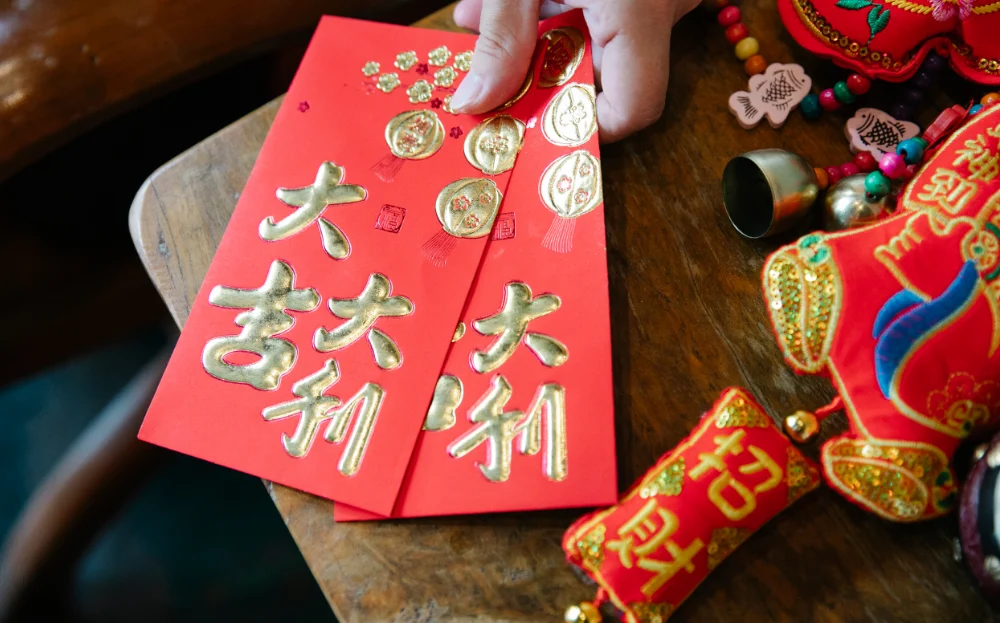
Red is regarded as the luckiest colour in Chinese culture, symbolising happiness, prosperity and protection against evil spirits. In contrast, black and white are associated with mourning and funerals, making them highly inappropriate for the festivities. Wearing bright colours, especially red, helps set a joyful and auspicious tone for the new year.
6. Avoid Using Sharp Objects

Sharp objects such as knives and scissors are believed to “cut off” good fortune and positive energy. Using them on Chinese New Year’s Day is thought to bring bad luck or even harm relationships. It is also advised to avoid breaking items, as broken objects symbolise shattered luck for the year ahead.
7. Don’t Cry on the First Day

Crying on Chinese New Year’s Day is considered a bad omen, as it is believed that those who cry will continue to do so throughout the year. Children’s tears are especially avoided, as they are thought to bring misfortune to the family. Instead, families encourage happiness, patience and laughter, even when little ones misbehave.